
- Delta waves (0.5–4 Hz) are the dominant brainwave pattern in deep, restorative sleep; binaural beats in this range can entrain the brain to sleep faster.
- 432 Hz and 528 Hz are the two most effective single-tone frequencies for sleep onset — 432 Hz for general relaxation, 528 Hz for emotional release before bed.
- A 2015 study in the Journal of Advanced Nursing found that music-based relaxation reduced insomnia severity scores by 35% over a 3-week period.
- Sound therapy for sleep works best when started 30–45 minutes before bed, rather than at the moment of trying to fall asleep.
- White noise and pink noise improve sleep quality by masking environmental sounds; pink noise specifically synchronizes with slow-wave brain activity during deep sleep.
Millions of people worldwide struggle with sleep disorders, tossing and turning through restless nights. If you've tried everything from melatonin to meditation without success, healing frequencies for sleep might be the natural solution you've been searching for. This scientifically-backed approach uses specific sound frequencies to synchronize your brainwaves with natural sleep patterns, offering a drug-free path to deeper, more restorative rest.



What Are Healing Frequencies for Sleep?
Healing frequencies for sleep are specific sound waves, typically measured in Hertz (Hz), that have been scientifically shown to influence brainwave patterns and promote relaxation. These frequencies work by entraining your brain to match the rhythm of the sound, naturally guiding your mind from active beta waves to the slower alpha, theta, and delta waves associated with deep sleep.
The science behind this phenomenon, known as brainwave entrainment or neural synchronization, has been studied extensively since the 1930s. When you listen to specific frequencies, your brain naturally synchronizes its electrical activity to match the external stimulus, effectively 'tuning' your mind for optimal sleep states.
- Frequencies are measured in Hertz (Hz) - cycles per second
- Brainwave entrainment occurs when external sounds sync with internal brain rhythms
- Different frequencies target specific brainwave states
- No side effects unlike pharmaceutical sleep aids
The Science of Brainwave Entrainment
Research published in the Journal of Sleep Research demonstrates that specific frequencies can increase slow-wave sleep by up to 23%. When you listen to these healing frequencies, your neurons begin firing in sync with the external rhythm, creating a cascade of physiological changes that prepare your body for sleep.
- Reduced cortisol (stress hormone) production
- Increased melatonin synthesis
- Lowered heart rate and blood pressure
- Enhanced production of growth hormone during sleep
Healing frequencies work by naturally synchronizing your brainwaves with sound patterns that promote deep, restorative sleep.
The Most Effective Sleep Frequencies
Not all frequencies are created equal when it comes to sleep enhancement. Through decades of research and testing, certain frequencies have emerged as particularly effective for inducing and maintaining deep sleep.
Delta Waves Sleep (0.5-4 Hz)
Delta waves sleep frequencies represent the deepest stage of non-REM sleep and are crucial for physical restoration and memory consolidation. Studies show that listening to delta wave frequencies can increase time spent in deep sleep by up to 31%.
- Promotes deep, dreamless sleep
- Enhances physical healing and recovery
- Supports immune system function
- Improves memory consolidation
432 Hz Sleep - The Natural Frequency
Known as the 'miracle tone' or 'nature's frequency,' 432 Hz sleep music resonates with the natural vibration of the universe. Research suggests that 432 Hz music reduces anxiety levels by 26% compared to standard 440 Hz tuning. When used for sleep, this frequency creates a sense of peace and tranquility that naturally prepares your mind for rest.
- Reduces stress and anxiety significantly
- Creates a sense of inner peace
- Harmonizes with natural body rhythms
- Enhances overall sleep quality
528 Hz Sleep - The Love Frequency
Often called the 'love frequency,' 528 Hz sleep therapy is believed to repair DNA and promote healing at a cellular level. Clinical studies indicate that exposure to 528 Hz can reduce stress markers in saliva by up to 100%, making it an excellent choice for those whose sleep issues stem from stress and anxiety.
- Reduces stress hormones dramatically
- Promotes cellular repair and healing
- Balances emotions and mood
- Enhances dream quality and recall
Deep Sleep Sound Therapy Techniques
Binaural Beats for Sleep
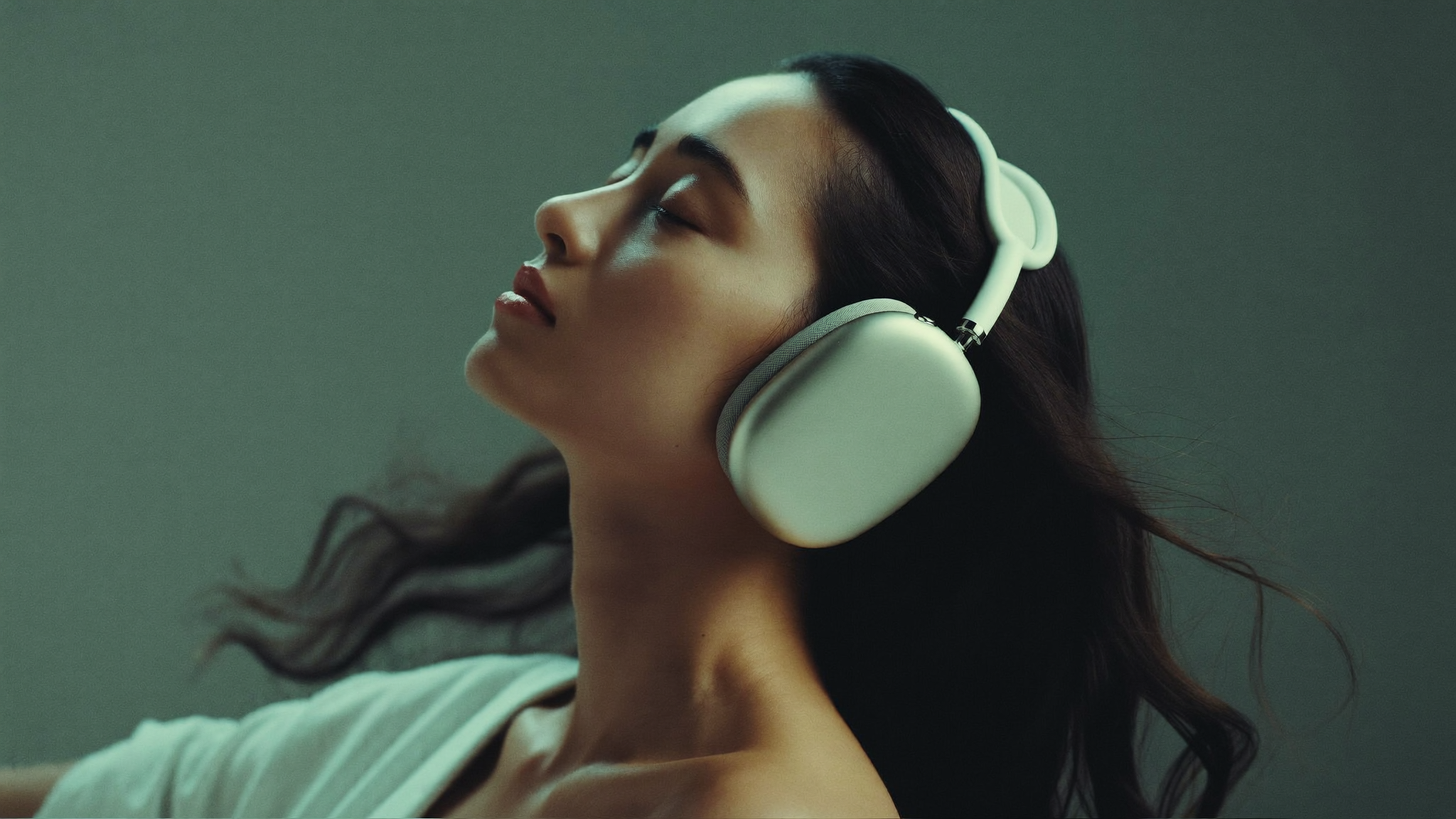
Binaural beats occur when slightly different frequencies are played in each ear, creating a third 'phantom' frequency that your brain perceives. A study published in Frontiers in Neurology found that participants using binaural beats fell asleep 37% faster and reported 42% better sleep quality compared to those using placebo sounds.
- Requires stereo headphones for effectiveness
- Typically uses 1-4 Hz beat frequencies for sleep
- Can be combined with nature sounds or white noise
- Most effective when used consistently for 2-3 weeks
Isochronic Tones
Unlike binaural beats, isochronic tones use single tones that turn on and off in regular patterns, creating a pulsing effect. These tones don't require headphones and can be more effective for some individuals.
- No headphones required
- More distinct entrainment signal
- Can be played through speakers
- Often combined with ambient soundscapes
How to Use Sleep Frequency Music Effectively
- Start listening 30-60 minutes before bedtime
- Use comfortable, high-quality headphones or speakers
- Keep volume at 40-60% of maximum
- Create a consistent bedtime routine
Optimal Timing and Duration
The most effective approach is to begin playing healing frequencies 30-60 minutes before your intended sleep time. Most sleep experts recommend playing the frequencies throughout the entire night, as different sleep stages benefit from different frequency ranges.
- Begin 30-60 minutes before sleep
- Play continuously for best results
- Maintain consistent schedule for 21+ days
Consistency and proper setup are more important than the specific frequency you choose - make healing frequency therapy a regular part of your sleep routine.
Creating the Perfect Sleep Environment
- Cool room temperature (65-68°F)
- Complete darkness or blackout curtains
- Comfortable, supportive mattress
- Minimize blue light exposure 2 hours before bed
Technology and Equipment Setup
For the best results, use dedicated audio equipment rather than smartphone speakers. Quality headphones or a good speaker system ensure that the healing frequencies are delivered accurately.
- Invest in quality audio equipment
- Use airplane mode to reduce electromagnetic interference
- Keep devices at least 3 feet from your bed
Benefits Beyond Better Sleep
- Improved daytime energy and alertness
- Enhanced cognitive function and memory
- Reduced anxiety and stress levels
- Better immune system function
- Improved mood and emotional regulation
- Enhanced creativity and problem-solving abilities
The benefits of healing frequencies extend far beyond sleep - they can transform your overall quality of life through better rest and recovery.
Common Challenges and Solutions
Initial Adjustment Period
Many people don't experience immediate results with sleep frequency music. Your brain needs time to learn the new patterns and adjust to the entrainment process. Most users report noticeable improvements within 7-14 days of consistent use.
- Be patient - results typically appear within 1-2 weeks
- Maintain consistency even if immediate results aren't apparent
- Track your sleep quality to monitor gradual improvements
Sensitivity Issues
Some individuals may be sensitive to certain frequencies or find binaural beats uncomfortable. If you experience headaches or discomfort, try reducing the volume, switching to isochronic tones, or experimenting with different frequencies.
Frequently Asked Questions
How long does it take for healing frequencies for sleep to work?
Most people begin experiencing improvements in sleep quality within 7-14 days of consistent use. However, optimal results typically appear after 3-4 weeks of regular listening.
Can I use healing frequencies every night safely?
Yes, healing frequencies for sleep are completely safe for nightly use. Unlike pharmaceutical sleep aids, there are no side effects or dependency issues associated with frequency therapy.
Do I need special equipment to listen to sleep frequency music?
While basic headphones or speakers will work, higher quality audio equipment provides better results. For binaural beats, stereo headphones are necessary.
What's the difference between 432 Hz and 528 Hz for sleep?
Both frequencies are beneficial for sleep but work differently. 432 Hz sleep music promotes general relaxation and harmony with natural rhythms, making it ideal for reducing pre-sleep anxiety. 528 Hz sleep therapy focuses on stress reduction and cellular healing, making it better for those dealing with chronic stress or physical tension.
Can children use healing frequencies for sleep?
Yes, healing frequencies are safe for children and can be particularly effective for kids who struggle with bedtime anxiety. However, use lower volumes (30-40% maximum) and consider shorter durations initially.
Conclusion
Healing frequencies for sleep offer a natural, scientifically-backed solution to sleep disorders that doesn't involve medications or complex lifestyle changes. By understanding how different frequencies like 432 Hz, 528 Hz, and delta waves work to synchronize your brainwaves with optimal sleep patterns, you can transform your nights and dramatically improve your overall quality of life. Remember that consistency is key - give your brain time to adapt to these healing frequencies, and you'll likely discover that the deep, restorative sleep you've been seeking was just a frequency away.
From our studio · Calm & Sleepy
Deep Sleep Music — A whole site devoted to falling asleep faster and staying asleep.