


- Because the body is mostly water, an excellent conductor of sound, therapeutic sound vibrations penetrate deeply and affect cells and tissues.
- Resonance occurs when sound waves match a body part’s natural frequency, amplifying the effect and helping restore balance within cells and tissues.
- Sound waves can stimulate the vagus nerve, which plays a key role in relaxation and digestion, reducing anxiety and improving well-being.
- The 280 Hz frequency corresponds roughly to the musical note C#4 (C sharp 4), just above middle C, and is used to promote relaxation and emotional balance.
- 280 Hz is associated with encouraging alpha brainwaves for a relaxed but alert state and may help regulate the autonomic nervous system.
Sound has been a part of human culture and healing practices for thousands of years. From ancient chants to modern music therapy, sound waves have shown remarkable potential in promoting well-being. But what exactly makes therapeutic sound waves effective? This article explores the science behind these waves, how they interact with the body, and why certain frequencies, like the 280 hertz frequency, are gaining attention for their healing properties.
Understanding Therapeutic Sound and Its Effects
Therapeutic sound refers to the use of specific sound waves to improve physical, emotional, or mental health. These sounds can come from instruments like tuning forks, singing bowls, or even digital sound generators. The key lies in the frequency and vibration of the sound waves, which can influence the body’s cells and brain activity.
When sound waves enter the body, they create vibrations that can stimulate cells and tissues. This stimulation can lead to increased blood flow, reduced muscle tension, and even changes in brainwave patterns. For example, slow, rhythmic sounds can encourage relaxation by promoting alpha and theta brainwaves, which are associated with calmness and meditation.
Practical Applications of Therapeutic Sound
- Stress reduction: Listening to calming sound waves can lower cortisol levels, the hormone responsible for stress.
- Pain management: Certain frequencies can help reduce the perception of pain by triggering the release of endorphins.
- Improved sleep: Therapeutic sounds can help regulate sleep cycles by promoting deeper, more restful sleep.
- Enhanced focus: Some sound frequencies can increase concentration and mental clarity.
How Therapeutic Sound Waves Interact with the Body
Sound waves are mechanical vibrations that travel through a medium such as air or water. When these waves reach the body, they cause molecules to vibrate, which can have various physiological effects. The body is mostly water, and water is an excellent conductor of sound, allowing these vibrations to penetrate deeply.
One important concept is resonance. Every object, including parts of the human body, has a natural frequency at which it vibrates. When therapeutic sound waves match these natural frequencies, resonance occurs, amplifying the effect. This can help restore balance and harmony within cells and tissues.
For example, sound waves can influence the nervous system by stimulating the vagus nerve, which plays a crucial role in relaxation and digestion. This stimulation can reduce anxiety and improve overall well-being.
Sound Wave Types Used in Therapy
- Low-frequency waves: Often used for deep tissue relaxation and pain relief.
- Mid-frequency waves: Common in music therapy to enhance mood and cognitive function.
- High-frequency waves: Sometimes used to stimulate alertness and energy.
What Note is 280 Hz?
The frequency of 280 Hz corresponds roughly to the musical note C#4 (C sharp 4) in the standard Western musical scale. This note lies just above middle C (C4) and is known for its bright and clear tone. In the context of therapeutic sound, 280 Hz is considered a powerful frequency that can promote healing and balance.
Musicians and sound therapists often use this frequency because it resonates well with the human body and mind. It is believed to help clear negative energy and enhance emotional stability. When played through instruments like tuning forks or singing bowls, the 280 Hz note can create a soothing atmosphere conducive to meditation and relaxation.
Why 280 Hz is Special in Therapy
- It is within the range that the human ear perceives as pleasant and non-intrusive.
- It can stimulate brainwave activity associated with calmness.
- It may help in balancing the body's energy centers or chakras.
The Role of Frequency in Healing: Exploring the 280 Hertz Frequency
Frequency is the number of sound wave cycles per second, measured in hertz (Hz). Different frequencies can have distinct effects on the body and mind. The 280 hertz frequency is gaining popularity in sound healing circles because of its unique ability to promote relaxation and emotional balance.
Scientific studies suggest that this frequency can influence brainwave patterns, encouraging alpha waves that are linked to a relaxed but alert state. This state is ideal for reducing stress and enhancing creativity. Additionally, 280 Hz may help regulate the autonomic nervous system, which controls involuntary bodily functions like heart rate and digestion.
How to Use 280 Hz in Your Practice
- Listening sessions: Use recordings or live instruments tuned to 280 Hz during meditation or relaxation.
- Sound baths: Incorporate 280 Hz tones in group sound healing sessions.
- Personal devices: Use apps or frequency generators to play 280 Hz sounds during daily routines.
By integrating this frequency into your wellness routine, you can experience improved mood, reduced anxiety, and better sleep quality.
Practical Tips for Incorporating Therapeutic Sound Waves into Daily Life
Using therapeutic sound waves does not require expensive equipment or professional training. Here are some simple ways to bring the benefits of sound therapy into your everyday routine:
- Create a sound sanctuary: Dedicate a quiet space in your home for listening to therapeutic sounds.
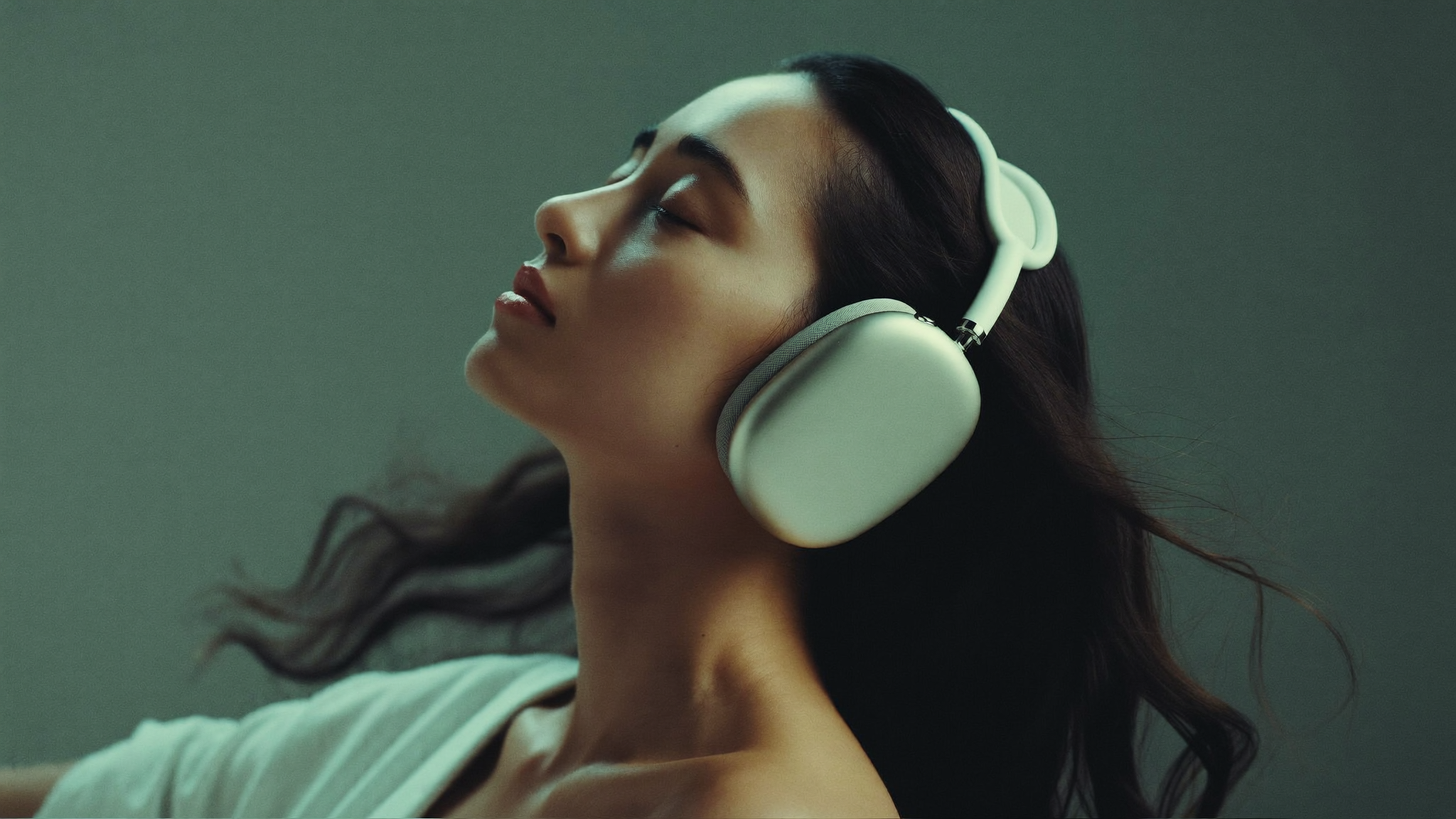
- Use headphones: For focused listening, headphones can help immerse you in the sound waves.
- Experiment with instruments: Try tuning forks, singing bowls, or chimes to explore different frequencies.
- Combine with mindfulness: Pair sound therapy with breathing exercises or meditation for enhanced effects.
- Set a schedule: Regular sessions, even 10-15 minutes daily, can build lasting benefits.
Additional Recommendations
- Avoid loud or harsh sounds that may cause stress.
- Choose frequencies that feel comfortable and soothing to you.
- Consult with a sound therapist if you want personalized guidance.
Therapeutic sound waves are a versatile and accessible tool for improving health and well-being. By understanding the science behind them and using them mindfully, you can unlock their full potential.
Exploring the science behind therapeutic sound waves reveals a fascinating intersection of physics, biology, and psychology. Whether you are seeking stress relief, pain management, or emotional balance, sound therapy offers a natural and effective approach. With simple tools and a bit of practice, you can harness the power of sound to enhance your life in meaningful ways.
From Sound Wave to Settled Nervous System
To understand therapeutic sound, it helps to follow the path a wave takes from the air to the body's stress response. Sound is simply organized pressure: vibrations travel through the air, set the eardrum moving, and are converted into electrical signals by the cochlea. From there, signals reach not only the auditory cortex but also deeper structures involved in emotion and arousal, which is why a particular tone can change how we feel before we have consciously analyzed it.
Entrainment and Brainwave Activity
One of the most studied mechanisms is entrainment, the brain's tendency to align its dominant electrical rhythm with a steady external pulse. Slow, rhythmic, low-stimulation sound can nudge activity from busy beta waves toward the calmer alpha and theta ranges linked to relaxation and light meditation, and toward delta during deep sleep. This is not mystical; it is a measurable shift in the timing of neural firing in response to a reliable rhythm.
The Autonomic Response
As the auditory system relaxes, the autonomic nervous system tends to follow. The parasympathetic branch gains influence, slowing the heart, deepening the breath, and supporting the rest-and-digest state in which recovery happens. Researchers often track this through heart rate variability and changes in cortisol, both of which reflect how readily the body can move out of a stress posture and back toward balance.
What the Evidence Does and Does Not Show
Honesty about the science strengthens the practice rather than weakening it. There is solid support for sound's ability to promote relaxation, ease anxiety, and improve the conditions for sleep, largely through the attention, entrainment, and autonomic pathways described above. Claims that specific frequencies directly cure disease, by contrast, remain unproven and should be treated with healthy skepticism. The most defensible position is also the most useful one: therapeutic sound is a low-risk, accessible way to help the nervous system down-regulate, and that alone makes it a worthwhile companion to a well-rounded wellness routine.
Frequently Asked Questions
What are therapeutic sound waves?
Therapeutic sound waves are specific sound vibrations, produced by instruments like tuning forks, singing bowls, or digital generators, used to improve physical, emotional, or mental health by influencing the body's cells and brain activity.
How do sound waves affect the body?
Sound waves cause molecules in the body to vibrate. Because the body is mostly water, these vibrations penetrate deeply, increasing blood flow, easing muscle tension, shifting brainwave patterns toward relaxation, and stimulating the vagus nerve.
What note is 280 Hz?
280 Hz corresponds roughly to the musical note C#4 (C sharp 4), just above middle C. It has a bright, clear tone and is used in sound therapy to promote healing, emotional stability, and relaxation.
What are the benefits of the 280 Hz frequency?
280 Hz is associated with relaxation and emotional balance. It may encourage alpha brainwaves linked to a calm yet alert state, help regulate the autonomic nervous system, reduce anxiety, and support better sleep.
How can I use therapeutic sound waves at home?
Create a quiet sound sanctuary, use headphones for focused listening, experiment with instruments like tuning forks or singing bowls, pair sound with breathing or meditation, and practice regularly, even 10-15 minutes daily.