

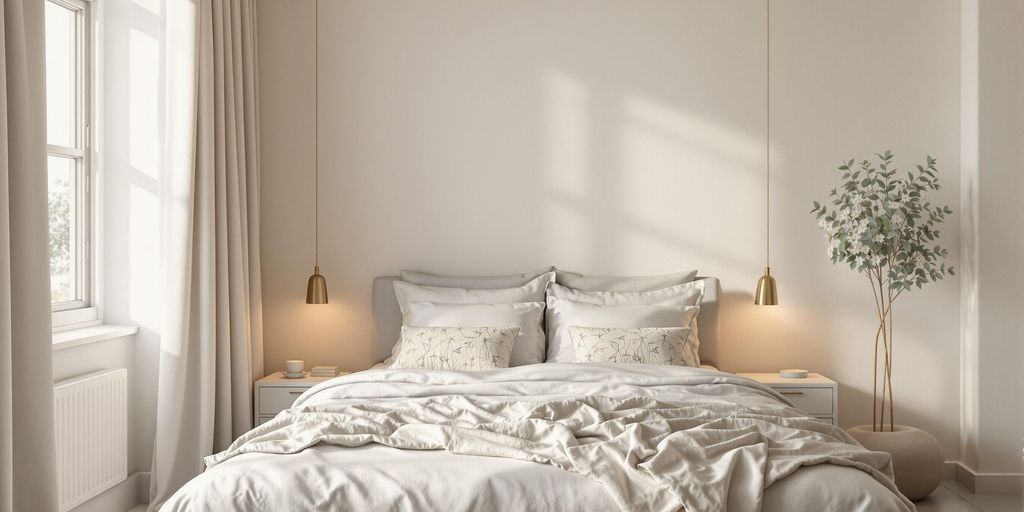
- Deep sleep (slow-wave sleep) is the most physically restorative sleep stage, during which the body releases growth hormone and repairs tissue.
- Delta waves (0.5–4 Hz) dominate the brain during deep sleep; binaural beats in this range are the most direct method of frequency-based sleep entrainment.
- 432 Hz music has been shown in studies to slow heart rate and reduce blood pressure — two physiological prerequisites for entering deep sleep.
- The best frequencies for deep sleep are: delta binaural beats (1–3 Hz), 432 Hz background music, and 174 Hz solfeggio tones.
- Listening for 45–90 minutes before sleep, rather than all night, prevents frequency fatigue and is sufficient to shift brainwave states.
Understanding Deep Sleep and Its Importance
The Role of Deep Sleep in Health
Deep sleep, also known as slow-wave sleep, is the stage where your body does most of its repair work. This phase is vital for physical recovery and growth, as well as for bolstering your immune system. During deep sleep, your brain also processes and consolidates memories, making it essential for learning. Lack of deep sleep can lead to increased stress, impaired cognitive function, and a weakened immune response.



How Deep Sleep Differs from Other Sleep Stages
Sleep is divided into several stages, each with its own purpose. While REM sleep is crucial for dreaming and emotional processing, deep sleep focuses on physical restoration. Unlike lighter stages of sleep, deep sleep is harder to wake from, and it's when your body is most relaxed. This stage is marked by slow brain waves, reduced heart rate, and lower breathing rates.
Common Myths About Deep Sleep
There are several misconceptions about deep sleep, like the idea that more deep sleep always equals better rest. In reality, while deep sleep is important, all sleep stages play a role in a healthy sleep cycle. Another myth is that listening to 432 Hz sleep music guarantees deeper sleep. While it may promote relaxation, it's not a magic bullet for everyone.
Exploring the Science of Sleep Frequencies
What Are Sleep Frequencies?
Sleep frequencies refer to the various brainwave patterns that occur during different stages of sleep. Delta waves, ranging from 0.5 to 4 Hz, are the slowest and are linked to deep, restorative sleep. Theta waves, occurring at 4-8 Hz, are associated with light sleep and relaxation, while alpha waves, at 8-12 Hz, are connected to calm wakefulness and reduced stress.
The Impact of Frequencies on Sleep Quality
Different sleep frequencies can significantly affect how well you sleep. Delta waves are particularly important for deep sleep, which is when the body does most of its repair work. Without enough delta wave activity, you might wake up feeling tired, no matter how long you've slept.
Scientific Studies on Sleep Frequencies
Scientific research has delved into how these frequencies affect sleep. Studies have shown that exposure to certain frequencies can enhance sleep quality and even aid in relaxation and anxiety reduction. For instance, binaural beats set at delta frequencies can help in achieving deeper sleep.
Exploring the science of sleep frequencies opens up a world of possibilities for enhancing our rest. By understanding and utilizing these natural brainwave patterns, we can potentially improve not only our sleep but also our overall well-being.
The Role of Solfeggio Frequencies in Sleep
History of Solfeggio Frequencies
Solfeggio frequencies have roots that stretch back centuries. Rediscovered in the 1970s by Dr. Joseph Puleo, these frequencies are believed to have been used in ancient sacred music and chants. These frequencies are thought to stimulate both the conscious and subconscious mind, promoting vitality and holistic well-being.
Benefits of Solfeggio Frequencies for Sleep
These frequencies are believed to enhance relaxation, reduce stress, and facilitate a deeper, more restorative sleep. The 432 Hz and 528 Hz frequencies are particularly noted for their calming effects, making them popular choices for those struggling with sleep issues.
How to Use Solfeggio Frequencies for Better Sleep
- Set the Scene: Dim the lights in your bedroom and ensure your sleeping environment is comfortable.
- Choose Your Frequency: Select a solfeggio frequency, like 432 Hz or 528 Hz, that resonates with you.
- Play the Sound: Use a phone, laptop, or speaker to play the frequency at a low volume.
- Relax and Listen: Lie down, close your eyes, and allow the sound to wash over you.
- Consistency is Key: Make this a regular part of your bedtime routine.
Binaural Beats and Their Effect on Sleep
Understanding Binaural Beats
Binaural beats aren't your typical music. They're a unique auditory experience that happens when you hear two slightly different frequencies in each ear. Your brain processes these frequencies, creating a third tone known as a binaural beat. This phenomenon can influence your brainwave activity, potentially helping with relaxation and sleep.
How Binaural Beats Influence Sleep
Research suggests binaural beats might just be the sleep aid you've been looking for. Listening to binaural beats at a delta frequency, around 3 Hz, has been shown to promote deep sleep by increasing delta brainwave activity. This is crucial because deep sleep is essential for feeling refreshed and ready for the day.
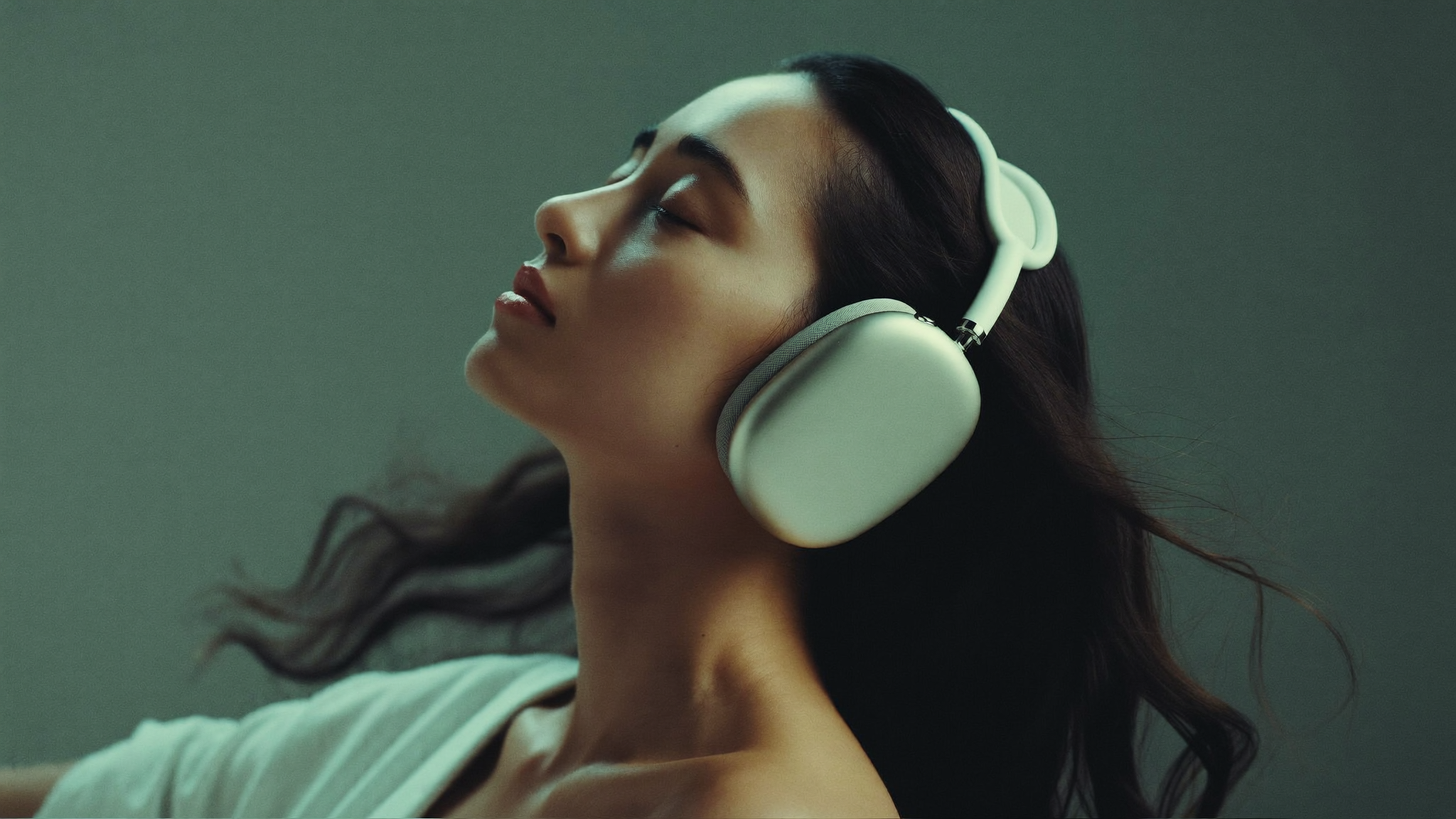
Choosing the Right Binaural Beats for Deep Sleep
- Delta (0.5-4 Hz): Ideal for deep, restorative sleep.
- Theta (4-8 Hz): Good for light sleep and relaxation.
- Alpha (8-12 Hz): Helps with relaxation and reducing anxiety.
Popular Frequencies for Achieving Deep Sleep
The 528 Hz Frequency: Miracle Tone
The 528 Hz frequency, often dubbed the "Miracle Tone," is renowned for its potential to promote deep sleep. Listening to 528 Hz can be a soothing addition to your nightly routine. It's thought to help reduce stress and promote a sense of peace, making it easier to drift into a restful sleep.
The Calming Effects of 432 Hz
432 Hz is another popular frequency for sleep, known for its relaxing and calming effects. This frequency is said to resonate with the natural world, promoting harmony and balance. Many people find that listening to 432 Hz helps slow down their heart rate and ease anxiety.
Exploring Other Beneficial Frequencies
- 174 Hz: Known as the healing frequency, it may help with physical pain relief and relaxation.
- 396 Hz: Thought to liberate guilt and fear, fostering a peaceful mind.
- 639 Hz: Said to enhance communication and understanding, which can be soothing before sleep.
Creating the Perfect Sleep Environment with Sound
Incorporating Nature Sounds
Nature sounds can transform your bedroom into a serene oasis. The gentle rustle of leaves, the rhythmic patter of rain, or the distant roll of thunder can evoke a sense of calm and relaxation. These sounds mimic the tranquility of the natural world, helping to ease your mind into a restful state.
The Benefits of White, Pink, and Brown Noise
| Type of Noise | Description | Example Sound |
|---|---|---|
| White Noise | Consistent hum | Fan or static |
| Pink Noise | Balanced frequencies | Gentle rain |
| Brown Noise | Deep and rumbling | Waterfall |
Crafting a Personalized Sleep Playlist
- Choose Your Sounds: Mix and match different sounds like white noise, nature sounds, and healing frequencies.
- Set the Right Volume: Make sure the volume is low enough to be relaxing but loud enough to mask any disruptive noises.
- Routine is Key: Listen to your playlist every night, starting about 30 minutes before you plan to sleep.
Practical Tips for Using Sleep Frequencies
Best Practices for Listening to Sleep Frequencies
Finding the right frequency is personal, but starting with popular ones like 432 Hz or 528 Hz can be beneficial. Here's a simple way to incorporate these frequencies into your bedtime routine:
- Lie down comfortably in your bed.
- Play your chosen frequency on a device like a phone or tablet.
- Keep the volume low to avoid overstimulation.
- Allow yourself to relax and let the sound guide you to sleep.
- Continue this habit to establish a consistent sleep pattern.
Combining Frequencies with Other Sleep Aids
- White Noise: Helps mask disruptive sounds.
- Nature Sounds: Like rain or ocean waves, to create a soothing atmosphere.
- Aromatherapy: Use calming scents like lavender to promote relaxation.
Conclusion
The world of sleep frequencies is pretty fascinating. While science is still catching up on the exact benefits, many folks swear by using frequencies like 528 Hz and 432 Hz to get a better night's sleep. Whether it's the calming vibes or just a placebo effect, if it helps you relax and drift off, why not give it a shot? At the end of the day, finding what works for you is what really matters. Sweet dreams!
Keep exploring: 432 Hz music for sleep · solfeggio frequencies for sleep · 280 Hz grounding frequency.
Building the Ideal Sleep Frequency Stack
If you asked us to design the best frequency for deep sleep from the evidence, the answer would be a stack rather than a single number: delta-range binaural beats (0.5–4 Hz) matching the brainwaves of slow-wave sleep, carried inside slow ambient music tuned to 432 Hz, with an optional 528 Hz tonal layer for listeners who respond to it, played at the volume of a quiet fan and started 30–45 minutes before your target sleep time. Every element has a job: the delta beat nudges the brain's rhythm, the slow tempo drops heart rate, the low volume prevents micro-arousal, and the fixed start time trains a conditioned wind-down.
This is exactly the architecture of our long-form sleep videos — here's one to try tonight:
How loud should sleep frequencies be?
Just above the threshold of noticing — roughly 30–40 dB, the loudness of a library. If the music ever wakes you between sleep cycles, it's too loud. Speakers beat earbuds for all-night use.
Frequently Asked Questions
What is the best frequency for deep sleep?
The 528 Hz frequency is often recommended for deep sleep. It's known as the "miracle tone" and is said to have calming and healing effects.
How do solfeggio frequencies help with sleep?
Solfeggio frequencies, like 528 Hz and 432 Hz, are believed to relax the mind and body, making it easier to fall asleep and stay asleep.
Can binaural beats improve my sleep?
Yes, binaural beats can help improve sleep by encouraging brainwave patterns that are associated with relaxation and deep sleep.
Do I need headphones to listen to sleep frequencies?
No, you don't need headphones to benefit from sleep frequencies. You can play them on speakers at a low volume while you relax.
Is there scientific proof that sleep frequencies work?
While many people find sleep frequencies helpful, scientific evidence is limited. However, they may promote a positive mindset, which can aid sleep.
How can I make a sleep-friendly playlist?
Include calming sounds like white noise, nature sounds, and solfeggio frequencies. Adjust the volume to a comfortable level for sleeping.
Further Reading
Listen while you read
Spa Music — The quiet a treatment room needs — no ads. Streams free in your browser, no app, no sign-up.