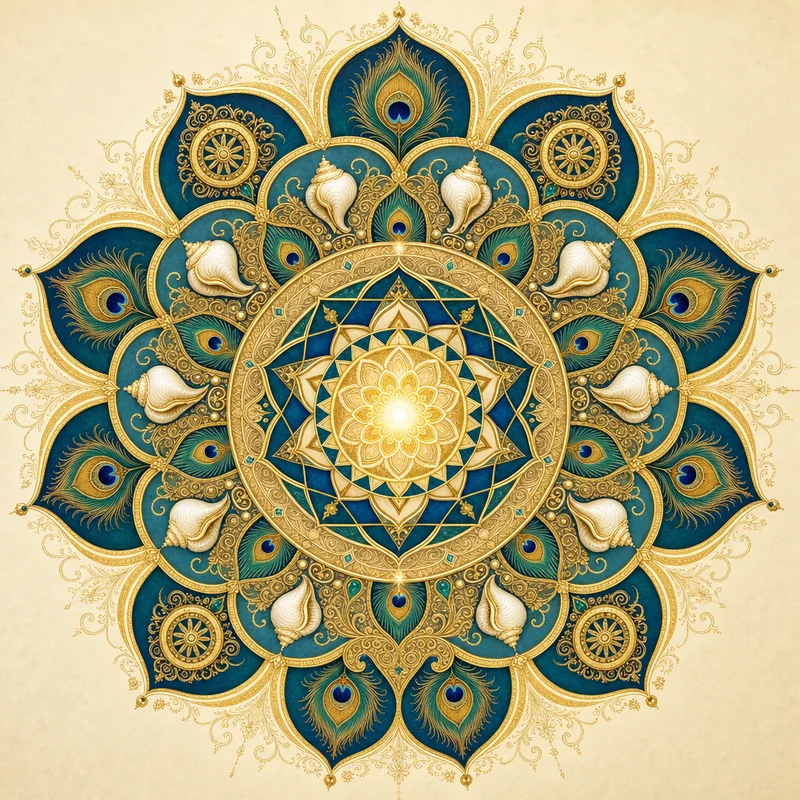


- 432 Hz and 528 Hz are the two most scientifically and spiritually studied healing frequencies, each with distinct mechanisms and best-use cases.
- 432 Hz is favored for general relaxation, sleep, and background listening; it produces a warmer tonal quality than standard 440 Hz tuning.
- 528 Hz is more targeted — used specifically for deep healing, emotional release, DNA repair support, and meditation.
- A key difference: 432 Hz is a tuning standard (affecting all notes in a piece), while 528 Hz is a specific tone used in standalone frequency tracks.
- Both frequencies reduce cortisol levels when listened to consistently; combining both in a single session (alternating tracks) can amplify the relaxation effect.
Have you ever wondered why certain music just feels right? Some say it's all about the frequency. Two popular ones are 432 Hz and 528 Hz. These numbers aren't just random—they're believed to have special healing powers. While some folks swear by them, others are more skeptical. Let's dive into what makes these frequencies so intriguing and see if there's any truth to their supposed benefits.



This article covers one angle on the miracle tone — for the complete picture (what 528 Hz is, the research, how to use it, and every benefit reviewed), start with our full 528 Hz frequency guide.
Understanding the Basics of 432 Hz and 528 Hz
The Origins of 432 Hz and 528 Hz
The idea that certain frequencies have special qualities isn't new. The 432 Hz frequency is often linked to ancient musical traditions, with some believing it was used by the Greeks and Egyptians. On the other hand, 528 Hz is part of the Solfeggio frequencies, which some say were used in Gregorian chants. These frequencies are said to have spiritual and healing effects, though historical proof is limited.
Scientific Studies on Healing Frequencies
When it comes to science, studies on these frequencies are limited but intriguing. Some research suggests that listening to music tuned to 432 Hz can lower heart rate and blood pressure, making it potentially calming. However, the scientific community hasn't reached a consensus on the healing powers of these frequencies. The 528 Hz frequency is often dubbed the "DNA repair" frequency, but concrete scientific backing is still needed.
Common Misconceptions About Frequency Tuning
There's a lot of confusion out there. Some people think that 432 Hz and 528 Hz can cure diseases or change your life overnight. That's not quite how it works. While these frequencies might help you relax or feel more centered, they're not magic bullets. It's important to approach these claims with a healthy dose of skepticism and enjoy the music for what it is.
The Healing Properties of 432 Hz
Calming Effects on the Mind and Body
432 Hz is often celebrated for its soothing qualities. Many people report feeling a sense of peace and relaxation when listening to music tuned to this frequency. This frequency is believed to help slow down the heart rate and reduce stress. Whether you're trying to unwind after a long day or seeking a peaceful night's sleep, 432 Hz has been associated with creating an environment that supports relaxation and tranquility.
Connection to the Schumann Resonance
The 432 Hz frequency is said to align with the Schumann Resonance, which is the natural electromagnetic pulse of the Earth. This connection is thought to foster a deep sense of harmony and grounding. Some enthusiasts suggest that listening to 432 Hz music can help synchronize your body's rhythms with the Earth's vibrations.
Applications in Meditation and Yoga
Incorporating 432 Hz music into meditation and yoga practices is a common recommendation among practitioners. Here's how you can incorporate it:
- Start your meditation session with a few minutes of 432 Hz music to settle into a calming atmosphere.
- Use it as background music during yoga to maintain a consistent flow and focus.
- Listen to it before bedtime to prepare your mind and body for restful sleep.
The gentle hum of 432 Hz music can be like a balm for the soul, offering a comforting embrace that soothes the chaos of everyday life.
Exploring the Benefits of 528 Hz
Potential for DNA Repair and Transformation
Let's dive into the fascinating potential of 528 Hz. This frequency is often dubbed the "Miracle Tone" because of its rumored ability to repair DNA. Imagine a sound that could help rejuvenate your cells—it's mind-blowing! Although research is still in its early stages, enthusiasts believe that listening to this frequency could lead to cellular transformation and healing.
Impact on Stress and Anxiety Levels
Many people swear by the calming effects of 528 Hz music. This frequency is said to promote relaxation and reduce stress, making it a popular choice for those seeking peace of mind. Some folks even incorporate it into their daily routines, using it during meditation or as background music while working.
Use in Modern Sound Healing Practices
528 Hz has found its place in modern sound healing practices, where it's used to promote wellness and emotional balance. Whether it's through sound baths or personal listening sessions, 528 Hz continues to be a favorite among those exploring the benefits of frequency healing.
Comparing 432 Hz and 528 Hz in Sound Therapy
Differences in Emotional and Physical Effects
this tuning is often described as calming and centering, aligning with the Schumann Resonance—the Earth's natural heartbeat. People say it brings a sense of peace and helps with relaxation. On the other hand, 528 Hz is hailed for its transformative qualities, with some even claiming it can repair DNA. This frequency is seen as energizing and rejuvenating, often associated with stress reduction and emotional healing.
Choosing the Right Frequency for Your Needs
Picking between the lower tuning and 528 Hz really depends on what you're looking for. If you're after tranquility and a deeper connection with nature, this tuning might be your go-to. But if you're looking to explore healing properties that can potentially transform your body and mind, the miracle tone could be the one for you.
Testimonials from Practitioners and Users
- Enhanced Relaxation: Users of the lower tuning often report feeling more relaxed and at peace.
- Increased Energy: Those who prefer this tone frequently mention a boost in energy and mood.
- Better Focus: Both frequencies are said to help with mental clarity.
The Science Behind Frequency Healing
Research on Auditory Frequencies and Health
Sound therapy is gaining traction, focusing on how different frequencies can impact our mental and physical states. Some studies suggest that exposure to specific frequencies might influence brainwave activity, potentially promoting relaxation or focus. However, the scientific community remains divided, and solid empirical evidence is still sparse.
Future Directions for Frequency-Based Therapies
Looking ahead, the field of frequency healing is ripe for exploration. Researchers are increasingly interested in how different sound waves might be harnessed for therapeutic purposes, including stress reduction, pain management, and emotional processing.
Cultural and Historical Perspectives on Healing Frequencies
Ancient Uses of Sound for Healing
Throughout history, different cultures have tapped into the power of sound for healing. From the rhythmic chants of the Native American tribes to the harmonic tones of Tibetan singing bowls, sound has always been a tool for connection and healing. Ancient Greeks believed in the power of music to cure mental disorders, while Egyptian healers used chants as a part of their healing rituals.
Modern Revival of Solfeggio Frequencies
The Solfeggio frequencies, including the miracle tone and this tuning, have seen a resurgence in modern times. Originally thought to be used in ancient Gregorian chants, these frequencies are now popular in the wellness industry. This revival has sparked a wave of interest in sound therapy, with many practitioners incorporating these frequencies into their practices.
Practical Tips for Incorporating Healing Frequencies
How to Listen to 432 Hz and 528 Hz Music
Using streaming services, you can easily find tracks that are already set in this tuning or the miracle tone. If you're musically inclined, consider converting your favorite songs into these frequencies using digital tools.
Creating a Healing Environment at Home
- Set up a dedicated space for relaxation and sound therapy. Include comfortable seating and calming decor.
- Use speakers or headphones that provide high-quality sound to fully experience the frequencies.
- Integrate essential oils or incense to complement the auditory experience with soothing scents.
Combining Frequencies with Other Wellness Practices
- Pair sound therapy with meditation or yoga to deepen your practice and enhance relaxation.
- Use frequencies during breathwork sessions to help focus your mind and regulate your breathing.
- Consider journaling while listening to these frequencies to promote self-reflection and emotional release.
Conclusion
In the end, whether you lean towards the lower tuning or this tone, it's clear that these frequencies have sparked a lot of interest and debate. Some folks swear by the calming vibes of this tuning, saying it helps them feel more connected and at peace. Others are all about the transformative power of the miracle tone, claiming it brings about healing and even DNA repair. While the science is still catching up with these claims, there's no denying the personal experiences people have shared. Whether it's the ancient allure of the lower tuning or the modern fascination with this tone, exploring these frequencies can be a unique journey into sound and self-discovery.
Can You Combine 432 Hz and 528 Hz?
Yes — and combined tracks are among the most-searched formats in healing music. Because 432 Hz is a tuning standard (the whole piece is pitched slightly lower) while 528 Hz is a single tone (one specific pitch layered into the music), the two aren't actually in competition. A producer can tune a track to 432 and weave a sustained 528 tone through the pad layer. The result carries the warm, settled feel listeners attribute to 432 tuning plus the bright focal point of the miracle tone. Many of our own sleep compositions use exactly this stacked approach, often adding theta-range binaural beats (4–8 Hz) underneath for drowsiness.
If you want to hear the difference for yourself rather than take anyone's word for it, our free frequency generator lets you play both pitches side by side, and the complete solfeggio list shows where 528 sits among the nine traditional tones.
Which should I sleep to — 432 Hz or 528 Hz?
For sleep, the tempo, texture and volume of the track matter far more than the tuning. Choose slow, lyric-free, consistent music at low volume; whether it's tuned to 432 or carries a 528 tone is secondary. Many listeners simply prefer the slightly darker, warmer color of 432-tuned music at night.
Frequently Asked Questions
What is the difference between 432 Hz and 528 Hz frequencies?
the lower tuning is often associated with calming and centering effects, while this tone is linked to transformation and potential DNA repair. Both are used in sound healing but are believed to affect the mind and body differently.
Can listening to music at 432 Hz or 528 Hz improve my health?
Some people report feeling more relaxed and balanced when listening to music tuned to these frequencies. However, scientific evidence supporting these health benefits is limited.
How can I listen to 432 Hz and 528 Hz music?
You can find music tuned to these frequencies on various streaming platforms like YouTube and Spotify. Look for playlists or tracks specifically labeled as this tuning or the miracle tone.
Are 432 Hz and 528 Hz used in meditation and yoga?
Yes, these frequencies are often used in meditation and yoga practices to help enhance relaxation and focus, creating a calming environment.