

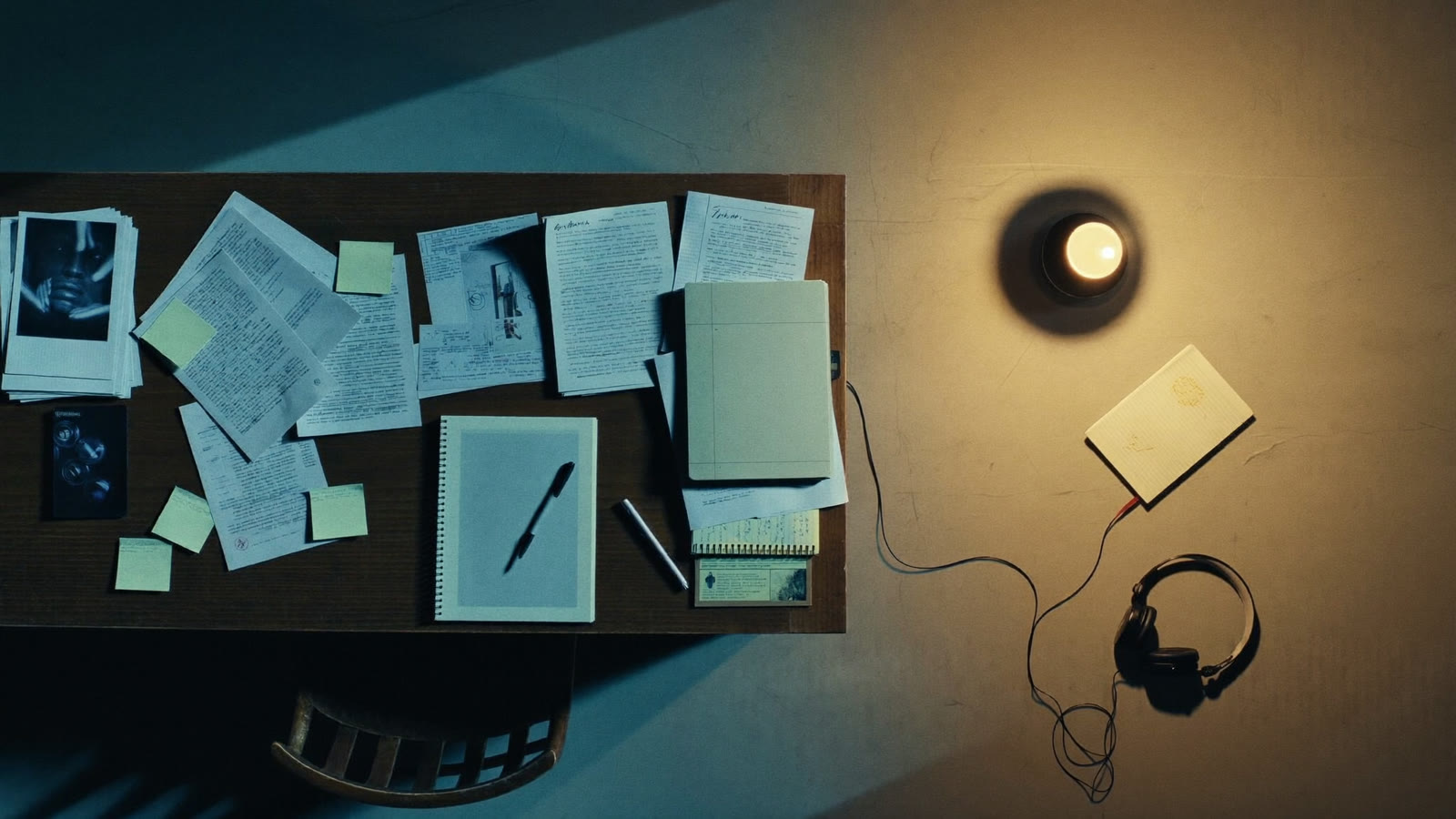
- ADHD overwhelm is a prioritization failure, not a capacity failure: without automatic ranking, every task shouts at equal volume
- The reset is always: shrink the visual and mental field to ONE next physical action
- Calm the body first — steady sound, longer exhales, pressure — because an alarmed nervous system can't prioritize anything
- Externalize: everything out of the head onto one page, then cover all but three lines
- Build a personal menu of ADHD-friendly calming activities — rhythmic, sensory, completable — for early intervention
Why ADHD Overwhelm Happens So Fast
Neurotypical brains rank demands automatically — a quiet background process sorts the day into 'now, later, ignore.' The ADHD brain's ranking process is manual, effortful, and eats the same fuel as doing the tasks themselves. So on a full day, everything arrives at the same volume: the deadline, the dishes, the unanswered text, the noise of the fridge. That's the distinctive ADHD-overwhelm feeling — not 'this is hard' but 'everything is simultaneously urgent and I cannot pick.' The picker is the thing that's overloaded.
Which means the reset is never 'try harder at the list.' It's: calm the alarm, shrink the field, pick one.
The 10-Minute Reset Protocol
Minutes 1–3: settle the body
An alarmed nervous system cannot prioritize — biology gates logic. Put on one steady, warm audio channel (slow 432 Hz music, rain, green noise) at low volume; it out-competes the sensory clamor without adding demands. Breathe out longer than in — 4 counts in, 8 out — for ten breaths. Press your feet into the floor. This is the same physiology as our nervous-system reset, compressed.
Minutes 4–7: everything out of the head
One page. Every open loop, obligation and worry, in whatever order it falls out. Don't organize it — organizing is a demand, and demands are the problem right now. The page holds it so working memory can stop juggling.
Minutes 8–10: shrink to one
Cover the page except three lines. From those three, circle one, and translate it into a physical first action so small it's almost silly ('email Sam' → 'open laptop'). Do that action with the music still running. Momentum does the rest more often than you'd believe — and if it doesn't, the next micro-action is the move, not a bigger plan.
12 Calming Activities That Fit ADHD Brains
Generic relaxation advice ('just meditate!') often fails ADHD because stillness is itself a demand. What works is rhythmic, sensory, completable:
Rhythmic: walking (especially outdoors), rocking in a chair, swimming, drumming on your knees to music, slow cycling. Sensory: a hot shower, kneading dough or clay, weighted blanket + one album, petting an animal, cold water on the wrists. Completable: tidying ONE drawer (hard edge, visible result), watering the plants. Each gives the attention system a track to run on — that's why they calm where 'sit still and relax' doesn't. Pair any of them with steady sound and the effect compounds (here's why sound works so well on ADHD arousal).

Preventing the Pile-Up
One capture point (a single list app or notebook — five lists is five alarms). Three visible tasks max — the rest live below a fold you physically can't see. Transition buffers — five silent minutes between meetings or errands, because ADHD overwhelm compounds at the seams between activities. A daily sound anchor — the same focus playlist at the same work hour trains a conditioned 'channel one' state (our ADHD music guide maps what to play when).
This article supports wellbeing — it is not medical advice, and it is not a substitute for diagnosis or treatment. If ADHD symptoms are significantly affecting your life, a clinician who knows ADHD is the right next step.
Frequently Asked Questions
Why do I get overwhelmed so easily with ADHD?
Because prioritization — the thing that keeps demands feeling sequenced — is a manual, effortful process for ADHD brains. When demands multiply, the ranking system saturates before the doing system even starts. It's a traffic-control limitation, not weakness, and it responds to field-shrinking (one page, three lines, one action) better than to effort.
What calms an ADHD brain fastest?
Body-first inputs: steady warm sound, exhale-weighted breathing, deep pressure, rhythmic movement. All four lower arousal without requiring the executive system to do anything — which is exactly what you need when the executive system is the thing that's flooded.
Is ADHD overwhelm the same as anxiety?
They feel similar and often co-occur, but overwhelm is demand-overload (too many things at equal volume) while anxiety is threat-forecasting (bad things at high volume). The body reset works for both; the field-shrinking step is the ADHD-specific part. If the anxious half dominates, our spiraling guide is the companion piece.
From our studio · Calm & Sleepy
ADHD Focus Music — Steady, non-distracting sound for locked-in work.