

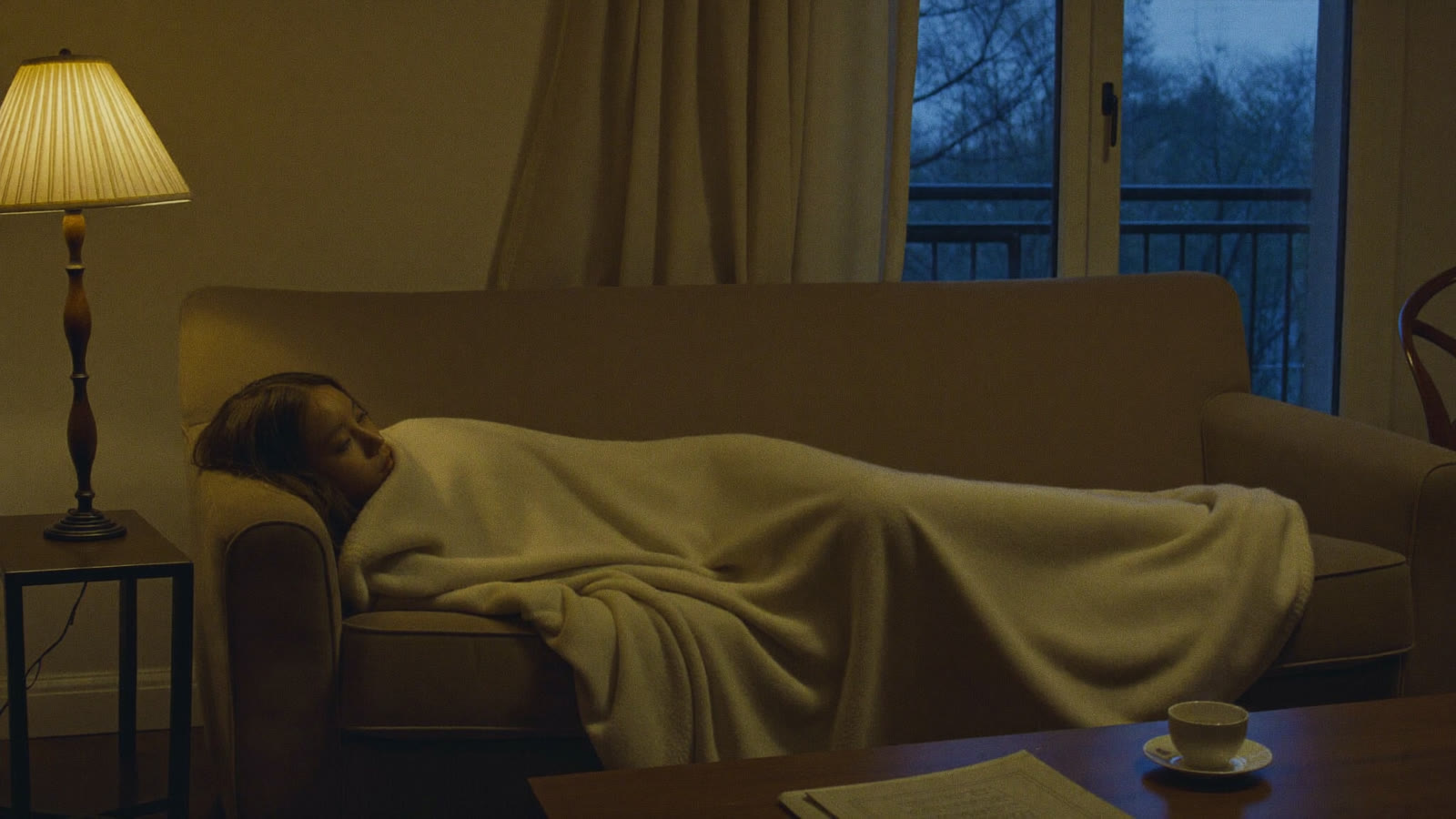
- A shutdown is overload protection: when demands outrun the ADHD brain's regulation capacity, the system drops to standby rather than burning out
- Freeze looks like laziness from outside and feels like being trapped behind glass from inside — knowing what to do and being unable to start
- You exit a shutdown through the body, not through self-scolding: warmth, pressure, gentle sound, one micro-action
- The 2-minute rule beats the to-do list: one absurdly small action (stand up, drink water) restarts the motor system
- Prevention is load management: fewer simultaneous demands, external structure, and scheduled decompression before the breaker trips
What an ADHD Shutdown Actually Is
Every brain has a finite budget for self-regulation — filtering noise, switching tasks, holding plans, managing feelings. The ADHD brain spends that budget faster (everything is louder, switching is harder, and effort is less automatic). A shutdown is what happens when the budget hits zero with demands still incoming: the system stops initiating. You might sit staring at a screen for an hour, scroll without absorbing anything, or find that even choosing what to eat feels impossible. In a deeper freeze, even speech can feel far away.
From the outside this looks like laziness or sulking, which is exactly why it deserves naming: it is neither. It's overload protection — closer to a circuit breaker than a character flaw. And like a breaker, it doesn't reset by yelling at the panel.
Shutdown vs Freeze vs Burnout
Shutdown: hours-long, triggered by acute overload (too many demands, decisions, sensory input, or emotional hits at once). Freeze: the sharper stress-response version — the nervous system's ancient 'play dead' circuit engaging under perceived threat (often social or evaluative: a harsh email, a looming deadline someone's angry about). Burnout: the weeks-long version built from months of masking and over-extension. This page covers the first two; if what you're feeling has lasted weeks, treat it as burnout and reduce the load structurally.
How to Come Out of One (Gently)
Through the body, not the to-do list
The thinking mind is the part that's offline — so route around it. Warmth: tea in the hands, a shower, sunlight. Pressure: weighted blanket, hand on chest, a firm self-hug. Sound: one channel of steady, warm audio — slow 432 Hz music or soft rain — gives the nervous system an all-clear signal that costs zero effort to receive (the playlist below is built for this; the science lives in our nervous-system regulation guide). Breath: exhales longer than inhales, five rounds.
Then one micro-action
Not the task. Something absurdly small: stand up. Drink water. Open the window. Motor initiation is the stalled engine — any successful action, however trivial, is a push-start. Chain two or three micro-actions and the executive system usually re-engages on its own. Never start with the overwhelming thing that tripped the breaker.

What not to do
Self-scolding extends shutdowns — shame is more load, and load is the problem. So is deciding this is the moment to 'catch up on everything.' The breaker tripped because the circuit was over capacity; the exit is under-capacity for a while, on purpose.
Making Shutdowns Rarer
Cap simultaneous demands: ADHD shutdowns are almost always parallel-overload, not single-task difficulty. One list, three items max visible. Externalize structure: calendars, alarms and body-doubling reduce the internal regulation spend. Schedule decompression: quiet, low-input time after high-input events (meetings, socializing, errands) — before the system takes it by force. Watch the sensory budget: noise-cancelling headphones with steady background sound during the day (see how sound therapy helps ADHD) keep the filter costs down all day, which is often the difference by evening.
This article supports wellbeing — it is not medical advice, and it is not a substitute for diagnosis or treatment. If ADHD symptoms are significantly affecting your life, a clinician who knows ADHD is the right next step.
Frequently Asked Questions
How long does an ADHD shutdown last?
Typically from an hour to a day. With a gentle body-first exit (warmth, pressure, steady sound, micro-actions), most shorten considerably. If a shut-down state persists for many days, treat it as burnout or low mood and bring in support rather than pushing.
Is ADHD freeze the same as dissociation?
They overlap but aren't identical. Freeze is a stress response — the system bracing under threat, usually with the mind uncomfortably present. Dissociation is a detachment response where things feel unreal or far away. Both are involuntary, both exit through the body, and a clinician is the right guide if either is frequent.
Why do I shut down when someone criticizes me?
ADHD nervous systems often carry heightened rejection sensitivity — criticism lands as threat, and the threat system's oldest move is freeze. Naming it ('this is my freeze response, it passes') plus slow exhales and warmth is a surprisingly effective first-line response.