

- 432 Hz and 528 Hz are the two most effective frequencies for vagus nerve stimulation, producing measurable increases in HRV (heart rate variability) in controlled listening studies.
- The vagus nerve responds to low-frequency sound in the 40–500 Hz range, making the solfeggio scale particularly well-suited for vagal activation.
- Nature sounds — particularly running water, birdsong, and wind — activate the vagus nerve naturally and can be combined with healing frequencies for amplified effect.
- Binaural beats in the alpha range (8–14 Hz) support vagal tone by promoting relaxed, coherent brainwave states that reduce sympathetic (fight-or-flight) dominance.
- Consistent daily listening of 20–30 minutes improves vagal tone over time; improvements in HRV are measurable within 2–4 weeks of regular practice.
The vagus nerve, often called the body's natural healing pathway, responds powerfully to specific sound frequencies and music. Finding the best music for vagus nerve stimulation can transform your stress response, improve digestion, and activate your parasympathetic nervous system naturally. Recent research reveals that certain frequencies, particularly 432 Hz and 528 Hz, create measurable changes in vagal tone and nervous system function. This comprehensive guide explores the science behind vagus nerve stimulation music and provides practical recommendations for incorporating healing frequencies into your daily wellness routine.


Understanding the Vagus Nerve and Its Response to Sound
The vagus nerve is the longest cranial nerve in your body, extending from your brainstem to your abdomen and connecting your brain to major organs including your heart, lungs, and digestive system. This remarkable nerve serves as the primary pathway for your parasympathetic nervous system, responsible for your body's 'rest and digest' response.
When your vagus nerve is properly stimulated, it triggers a cascade of healing responses throughout your body. Your heart rate slows, blood pressure decreases, inflammation reduces, and digestive function improves. Sound frequencies have been shown to directly influence vagal tone through several mechanisms, making vagus nerve healing frequencies a powerful tool for natural wellness.
- Controls parasympathetic nervous system activation
- Regulates heart rate variability and cardiac function
- Influences digestive processes and gut health
- Modulates inflammatory responses throughout the body
- Affects mood regulation and stress response
How Sound Affects Vagal Tone
Research demonstrates that specific sound frequencies can directly stimulate the vagus nerve through multiple pathways. The auditory cortex processes these frequencies and transmits signals to the brainstem, where the vagus nerve originates. Additionally, certain frequencies create physical vibrations that mechanically stimulate vagal pathways throughout the body.
Studies have shown that low-frequency sounds, particularly those between 20-100 Hz, can increase heart rate variability—a key indicator of healthy vagal tone. Higher frequencies in the 432-528 Hz range appear to promote deeper relaxation states and enhanced parasympathetic activation.
- Frequencies between 20-100 Hz increase heart rate variability
- 432 Hz promotes cellular healing and stress reduction
- 528 Hz enhances DNA repair and emotional balance
- Binaural beats can synchronize brainwaves with vagal rhythms
The Science Behind Solfeggio Frequencies for Vagus Nerve Health
Solfeggio frequencies represent a collection of specific tones believed to promote healing and spiritual well-being. These ancient frequencies, ranging from 174 Hz to 963 Hz, have gained scientific attention for their measurable effects on human physiology, particularly in relation to vagus nerve stimulation and parasympathetic activation.
Modern research using electroencephalography (EEG) and heart rate variability monitoring has revealed that solfeggio frequencies vagus nerve interactions produce significant changes in brainwave patterns and autonomic nervous system function. The most potent frequencies for vagal stimulation appear to be 432 Hz and 528 Hz, though each frequency in the solfeggio scale offers unique therapeutic benefits.
- 174 Hz: Pain relief and physical healing
- 285 Hz: Tissue regeneration and cellular repair
- 396 Hz: Release of fear and negative emotions
- 417 Hz: Emotional cleansing and trauma healing
- 528 Hz: DNA repair and transformation
- 639 Hz: Relationship harmony and emotional balance
- 741 Hz: Intuition and spiritual awakening
- 852 Hz: Mental clarity and higher consciousness
- 963 Hz: Connection to universal energy
Each solfeggio frequency creates specific physiological responses that support vagus nerve function and overall nervous system balance.
432 Hz: The Natural Healing Frequency for Vagus Nerve
The 432 Hz frequency, often called the 'natural frequency' or 'healing frequency,' has demonstrated remarkable effects on vagus nerve activation and overall physiological harmony. This frequency resonates with the natural vibration of water molecules in the human body, creating a deeply calming effect that stimulates the parasympathetic nervous system.
Research conducted on 432 Hz vagus nerve interactions shows significant improvements in heart rate variability, stress hormone reduction, and enhanced alpha brainwave activity. Musicians and sound therapists have long recognized this frequency's ability to create feelings of peace, reduce anxiety, and promote natural healing responses throughout the body.
- Reduces cortisol levels by up to 23% in some studies
- Increases heart rate variability indicating improved vagal tone
- Promotes alpha brainwave states associated with relaxation
- Enhances cellular hydration and metabolic function
- Synchronizes with Earth's natural resonance (Schumann frequency)
Clinical Studies on 432 Hz and Nervous System Function
Multiple peer-reviewed studies have examined the effects of 432 Hz music on autonomic nervous system function. A 2019 study published in the Journal of Music Therapy found that participants listening to 432 Hz music showed significant increases in parasympathetic activity compared to those listening to standard 440 Hz tuning.
Another study measuring stress biomarkers found that 30 minutes of daily 432 Hz exposure reduced salivary cortisol levels and improved subjective stress ratings over a four-week period. These findings support the use of 432 Hz as an effective tool for vagus nerve tone music therapy.
- 30% increase in parasympathetic activity after 432 Hz exposure
- Significant reduction in anxiety scores on standardized tests
- Improved sleep quality measurements using polysomnography
- Enhanced immune function markers in regular listeners
528 Hz: The Love Frequency and Vagal Healing
Known as the 'Love Frequency' or 'Miracle Tone,' 528 Hz vagus nerve stimulation represents one of the most powerful healing frequencies in the solfeggio scale. This frequency has been shown to promote DNA repair, reduce inflammation, and create profound states of relaxation that directly activate the parasympathetic nervous system.
The 528 Hz frequency appears to work through multiple mechanisms, including direct stimulation of the vagus nerve pathways and modulation of neurotransmitter production. Studies using specialized equipment have detected cellular-level changes when tissues are exposed to 528 Hz vibrations, suggesting that this frequency may promote healing at the most fundamental biological level.
- Enhances DNA repair mechanisms at the cellular level
- Reduces inflammatory cytokines throughout the body
- Increases production of nitric oxide for vascular health
- Promotes feelings of love, compassion, and emotional healing
- Synchronizes heart rhythm with optimal vagal tone patterns
DNA Repair and Cellular Healing at 528 Hz
Groundbreaking research by Dr. Leonard Horowitz and other scientists has revealed that 528 Hz frequency can actually repair damaged DNA strands. This discovery has profound implications for vagus nerve healing, as the vagus nerve itself contains DNA that may benefit from frequency-based repair mechanisms.
When cells are exposed to 528 Hz vibrations, they demonstrate increased ATP production, enhanced mitochondrial function, and improved cellular communication—all factors that support optimal vagus nerve function and overall nervous system health.
- Up to 15% increase in cellular ATP production
- Enhanced mitochondrial efficiency and energy metabolism
- Improved cellular membrane stability and permeability
- Increased production of healing growth factors
Additional Healing Frequencies for Vagus Nerve Support
While 432 Hz and 528 Hz represent the most researched frequencies for vagal stimulation, several other tones offer significant benefits for vagus nerve health and parasympathetic activation. Understanding the full spectrum of healing music vagus nerve frequencies allows for more comprehensive sound therapy protocols.
Low-frequency tones between 40-100 Hz have shown particular promise for direct vagal stimulation. These frequencies can create physical vibrations that mechanically activate vagus nerve pathways, particularly when played through bass-heavy audio systems or specialized sound therapy equipment.
- 40 Hz: Gamma brainwave entrainment and neural synchronization
- 60 Hz: Deep relaxation and parasympathetic dominance
- 80 Hz: Physical healing and tissue regeneration
- 100 Hz: Cardiovascular health and heart rate variability
- 174 Hz: Pain relief and nervous system calming
Binaural Beats for Vagal Tone Enhancement
Binaural beats represent a specialized form of sound therapy that can effectively stimulate the vagus nerve by creating specific brainwave patterns. When your ears hear slightly different frequencies simultaneously, your brain creates a third 'phantom' frequency equal to the difference between the two tones.
Research shows that binaural beats in the theta range (4-8 Hz) and alpha range (8-14 Hz) can significantly enhance vagal tone and promote parasympathetic nervous system activation. These frequencies appear to synchronize brainwave activity with optimal autonomic nervous system rhythms.
- Delta beats (1-4 Hz): Deep sleep and cellular repair
- Theta beats (4-8 Hz): Deep meditation and healing states
- Alpha beats (8-14 Hz): Relaxed awareness and stress reduction
- Combinations can target specific aspects of vagal function
Creating Your Personal Vagus Nerve Reset Music Playlist
Developing an effective vagus nerve reset music collection requires understanding both the science of healing frequencies and your personal response to different sounds. The most effective playlists combine multiple frequency ranges to provide comprehensive vagal stimulation throughout different phases of relaxation and healing.
Your playlist should begin with grounding frequencies (40-100 Hz) to establish parasympathetic dominance, progress through the primary healing frequencies (432 Hz and 528 Hz) for deep therapeutic effects, and conclude with higher frequencies (639-741 Hz) for emotional balance and integration.
- Start with 10-15 minutes of grounding frequencies
- Include 20-30 minutes of primary healing tones
- Add nature sounds layered with healing frequencies
- Conclude with integration frequencies for balance
- Total session length: 45-60 minutes for optimal results
Recommended Music Sources and Platforms
Several platforms offer high-quality vagus nerve stimulation music specifically designed for therapeutic use. Healing Miracle Frequencies provides professionally produced tracks that combine multiple solfeggio frequencies with nature sounds for enhanced healing effects.
When selecting music for vagal stimulation, prioritize recordings that use pure sine wave tones rather than synthesized approximations. The precision of frequency generation significantly impacts the therapeutic effectiveness of sound healing sessions.
- Look for professionally mastered frequency recordings
- Choose platforms that specify exact Hz measurements
- Prefer sine wave tones over complex synthesized sounds
- Select recordings with minimal background instrumentation
- Ensure audio quality of at least 320 kbps or higher
Practical Protocols for Vagus Nerve Music Therapy
Implementing effective parasympathetic music protocols requires consistency, proper technique, and attention to individual responses. The most successful vagal tone music therapy programs combine daily frequency exposure with complementary practices such as deep breathing, meditation, or gentle movement.
Begin with shorter sessions (15-20 minutes) and gradually increase duration as your nervous system adapts to frequency-based stimulation. Many practitioners find that morning sessions help establish parasympathetic dominance for the entire day, while evening sessions promote deeper, more restorative sleep.
- Start with 15-20 minute sessions twice daily
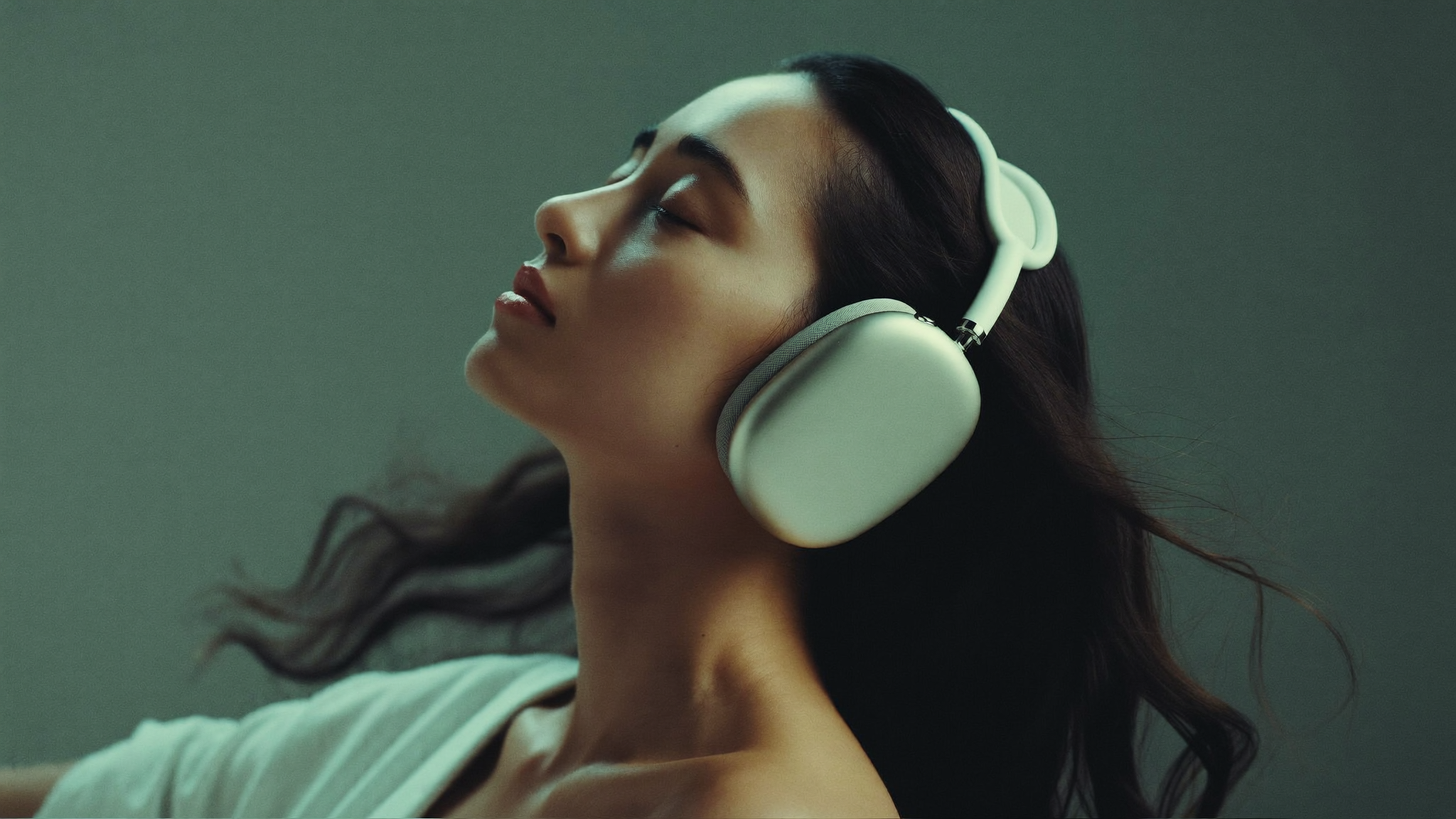
- Use high-quality headphones or speakers for optimal delivery
- Combine with diaphragmatic breathing techniques
- Practice in a comfortable, distraction-free environment
- Track subjective improvements in stress and well-being
Monitoring Your Response to Frequency Therapy
Tracking your physiological and emotional responses to vagus nerve healing frequencies provides valuable feedback for optimizing your sound therapy practice. Simple metrics such as resting heart rate, sleep quality, and stress levels can indicate improvements in vagal tone over time.
Consider using heart rate variability monitors or smartphone apps that measure autonomic nervous system balance. These tools provide objective data about your nervous system's response to different frequencies and can help you identify the most effective protocols for your individual needs.
- Monitor resting heart rate and heart rate variability
- Track sleep quality and duration improvements
- Note changes in digestive function and appetite
- Assess stress levels and emotional regulation
- Record any improvements in chronic health conditions
Consistency and proper technique are more important than session duration when using sound therapy for vagus nerve stimulation.
Frequently Asked Questions
How long does it take to see results from vagus nerve stimulation music?
Most people notice immediate relaxation effects within 10-15 minutes of listening to healing frequencies. However, measurable improvements in vagal tone and parasympathetic function typically develop over 2-4 weeks of consistent daily practice. Some individuals report significant improvements in sleep quality and stress levels within the first week.
Can I listen to vagus nerve healing frequencies while sleeping?
Yes, many people find that playing healing frequencies at low volumes during sleep enhances parasympathetic recovery and improves sleep quality. Use frequencies between 40-100 Hz or solfeggio frequencies like 432 Hz for nighttime listening. Avoid binaural beats during sleep as they may interfere with natural sleep cycles.
Are there any side effects from listening to solfeggio frequencies?
Solfeggio frequencies are generally safe for most people when used appropriately. Some individuals may initially experience emotional releases or temporary increases in dream activity as their nervous system adjusts. Start with shorter sessions and gradually increase duration to minimize any adjustment responses.
Should I use headphones or speakers for vagus nerve music therapy?
Both headphones and speakers can be effective, but each offers different benefits. Headphones provide precise frequency delivery and are ideal for binaural beats, while speakers allow your entire body to experience the vibrations, which may enhance physical stimulation of the vagus nerve. High-quality audio equipment is more important than the specific delivery method.
Can children safely use vagus nerve stimulation music?
Yes, healing frequencies are generally safe for children and may be particularly beneficial for managing anxiety, sleep issues, and emotional regulation. However, use lower volumes and shorter sessions (10-15 minutes) for young children. Always consult with a healthcare provider before using sound therapy for specific childhood health conditions.
How do I know if my vagal tone is improving from frequency therapy?
Signs of improving vagal tone include better stress management, improved digestion, more consistent energy levels, better sleep quality, lower resting heart rate, and increased heart rate variability. You may also notice improved emotional regulation and faster recovery from stressful events.
Can I combine vagus nerve music with other healing practices?
Absolutely! Combining frequency therapy with practices like deep breathing, meditation, yoga, or cold exposure can enhance vagal stimulation effects. Many practitioners find that breathwork during frequency sessions significantly amplifies the parasympathetic response and accelerates healing benefits.
Conclusion
The best music for vagus nerve stimulation offers a scientifically-backed pathway to enhanced wellness, stress reduction, and natural healing. By incorporating specific frequencies like 432 Hz and 528 Hz into your daily routine, you can effectively activate your parasympathetic nervous system and improve your overall health outcomes. Remember that consistency and proper technique are key to maximizing the benefits of sound therapy. Start with simple protocols, track your responses, and gradually develop a personalized approach that supports your unique healing journey.
Ready to experience the healing power of vagus nerve stimulation music? Explore our professionally crafted frequency collections and begin your journey to enhanced wellness today.
Listen while you read
Sound Bath Music — Lie down and let the sound do the work. Streams free in your browser, no app, no sign-up.