

- The vagus nerve is the longest cranial nerve in the body, running from the brainstem through the heart, lungs, and digestive system — it controls 80% of parasympathetic nervous system signaling.
- Sound activates the vagus nerve primarily through the auricular branch, which is why listening to music can directly trigger the 'rest and digest' response.
- 432 Hz and 528 Hz music produce measurable increases in heart rate variability (HRV), a key biomarker of vagal tone and nervous system resilience.
- Humming, chanting, or singing activates the vagus nerve more powerfully than passive listening — these vocalization practices directly vibrate the vagal pathways.
- Clinical research on vagus nerve stimulation shows benefits for anxiety, depression, inflammatory conditions, and PTSD when practiced consistently over 4–8 weeks.
Vagus nerve music represents a groundbreaking approach to natural healing that harnesses the power of specific sound frequencies to stimulate your body's longest cranial nerve. This comprehensive guide explores how carefully selected music, frequencies, and sound therapies can activate your parasympathetic nervous system, improve vagal tone, and provide relief from stress, anxiety, digestive issues, and sleep disturbances. By understanding the science behind vagus nerve stimulation through music, you'll discover practical protocols that can transform your health and wellbeing through the simple act of listening.
Understanding the Vagus Nerve and Its Connection to Music
The vagus nerve, also known as the tenth cranial nerve, is your body's longest and most complex nerve pathway. This remarkable neural superhighway connects your brain to virtually every major organ, including your heart, lungs, digestive system, and immune system. When properly stimulated, the vagus nerve activates your parasympathetic nervous system—your body's 'rest and digest' mode that promotes healing, relaxation, and optimal organ function.
Research has demonstrated that specific types of music and sound frequencies can directly influence vagal tone, which is a measure of your vagus nerve's activity and health. Higher vagal tone correlates with better stress resilience, improved heart rate variability, enhanced digestion, stronger immunity, and greater emotional regulation. This connection between sound and the vagus nerve isn't merely theoretical—it's backed by neuroscience research showing how auditory stimuli can trigger measurable changes in vagal activity.
- The vagus nerve connects the brain to major organs throughout the body
- Higher vagal tone improves stress resilience and overall health
- Specific music frequencies can measurably increase vagal activity
- Sound therapy activates the parasympathetic nervous system naturally
The Science Behind Sound and Vagal Stimulation
Neuroscientific studies reveal that the vagus nerve responds to specific acoustic patterns through a process called neuromodulation. When you listen to certain frequencies, vibrations travel through your ear canal and stimulate the auricular branch of the vagus nerve. This stimulation sends signals directly to your brainstem, triggering a cascade of beneficial physiological responses including reduced cortisol production, increased GABA release, and enhanced parasympathetic activation.
- Acoustic vibrations directly stimulate the auricular vagus nerve
- Sound triggers measurable changes in neurotransmitter production
- Specific frequencies optimize parasympathetic nervous system activation
The vagus nerve acts as a bridge between mind and body, and music provides a non-invasive way to influence this critical neural pathway.
Types of Vagus Nerve Music That Work Best
Not all music is created equal when it comes to vagus nerve stimulation. Certain types of music and specific frequencies have been scientifically shown to be more effective at activating the parasympathetic nervous system and improving vagal tone. Understanding these different categories will help you choose the most appropriate vagus nerve music for your specific needs and health goals.
Solfeggio Frequencies for Vagal Healing
Solfeggio frequencies are ancient musical tones that were rediscovered in modern times and found to have profound healing properties. These specific frequencies, measured in Hertz (Hz), resonate with different aspects of human physiology and consciousness. For vagus nerve stimulation, certain solfeggio frequencies are particularly effective.
The 528 Hz frequency, known as the 'Love Frequency' or 'Miracle Tone,' has been shown to reduce stress hormones and promote cellular healing. The 741 Hz frequency helps cleanse and purify, supporting detoxification processes that the vagus nerve regulates. The 852 Hz frequency enhances spiritual awareness and can deepen the meditative states that naturally increase vagal tone.
- 528 Hz: Reduces stress hormones and promotes cellular repair
- 741 Hz: Supports detoxification and cleansing processes
- 852 Hz: Enhances meditation and spiritual awareness
- 396 Hz: Releases fear and guilt, promoting emotional healing
432 Hz Music for Parasympathetic Activation
The 432 Hz frequency has gained significant attention in the world of sound healing for its ability to create a sense of peace and well-being. This frequency is mathematically consistent with the patterns of nature and has been found to synchronize with the Schumann resonance of the Earth. When listening to music tuned to 432 Hz, many people report feeling more relaxed and centered, which correlates with increased parasympathetic nervous system activity.
Research suggests that 432 Hz music can reduce anxiety levels, lower blood pressure, and improve heart rate variability—all indicators of enhanced vagal tone. This frequency appears to resonate naturally with human physiology, making it an excellent choice for vagus nerve activation music.
- Synchronizes with natural Earth frequencies
- Reduces anxiety and promotes relaxation
- Improves heart rate variability
- Creates natural resonance with human physiology
Binaural Beats for Vagal Tone Enhancement
Binaural beats represent a sophisticated approach to vagus nerve stimulation through music. This technique involves playing two slightly different frequencies in each ear, causing your brain to perceive a third 'phantom' frequency equal to the difference between the two tones. Specific binaural beat frequencies can entrain your brainwaves to states that naturally enhance vagal activity.
Alpha binaural beats (8-13 Hz) promote relaxation and stress reduction, while theta binaural beats (4-8 Hz) facilitate deep meditation and healing states. Delta binaural beats (0.5-4 Hz) can improve sleep quality and activate the deepest levels of parasympathetic restoration.
- Alpha waves (8-13 Hz): Promote relaxation and stress reduction
- Theta waves (4-8 Hz): Facilitate deep meditation and healing
- Delta waves (0.5-4 Hz): Improve sleep and deep restoration
- Gamma waves (30-100 Hz): Enhance focus and cognitive function
Chanting and Vocal Toning for Vagus Nerve Activation
Chanting and vocal toning create internal vibrations that directly stimulate the vagus nerve through the throat and chest cavity. The act of humming, chanting 'Om,' or engaging in other forms of vocal toning creates mechanical vibrations that massage the vagus nerve and activate parasympathetic responses. This practice combines the benefits of controlled breathing with sound therapy.
Traditional practices like Gregorian chanting, Tibetan throat singing, and Sanskrit mantras have been used for centuries to promote healing and spiritual states. Modern research confirms that these practices can measurably increase heart rate variability and vagal tone while reducing stress hormones and inflammation.
- Creates internal vibrations that massage the vagus nerve
- Combines controlled breathing with sound therapy
- Traditional practices confirmed by modern research
- Increases heart rate variability and reduces inflammation
How to Use Vagus Nerve Music for Specific Health Benefits
Understanding how to apply vagus nerve music therapeutically can maximize its healing potential for various health conditions. Different protocols work best for specific issues, and timing, duration, and frequency selection all play important roles in achieving optimal results.
Vagus Nerve Music for Stress Relief and Anxiety
For immediate stress relief, vagus nerve calming music should be played at a moderate volume in a quiet environment. Begin with 5-10 minutes of 528 Hz or 432 Hz music, focusing on deep, slow breathing while listening. This combination activates the parasympathetic nervous system and triggers the relaxation response within minutes.
For chronic anxiety management, establish a daily practice of listening to vagus nerve activation music for 15-20 minutes, preferably at the same time each day. Binaural beats in the alpha range (8-12 Hz) are particularly effective for anxiety reduction. Combine with gentle movement like yoga or tai chi to enhance the vagal stimulation effect.
- Start with 5-10 minutes for immediate relief
- Use 528 Hz or 432 Hz frequencies for acute stress
- Practice 15-20 minutes daily for chronic anxiety
- Combine with deep breathing and gentle movement
Music Protocol for Better Sleep and Insomnia
Vagus nerve music for sleep should begin 30-60 minutes before bedtime to allow your nervous system to gradually shift into parasympathetic mode. Start with calming frequencies like 432 Hz or delta binaural beats (0.5-4 Hz) at a low volume that becomes barely audible as you fall asleep.
Create a consistent bedtime routine that includes 20-30 minutes of healing frequencies for the vagus nerve. Solfeggio frequencies, particularly 528 Hz and 741 Hz, can help clear mental chatter and promote the deep relaxation necessary for restorative sleep.
- Begin 30-60 minutes before desired bedtime
- Use delta binaural beats or 432 Hz frequencies
- Maintain low volume that fades as you sleep
- Include 20-30 minutes in your bedtime routine
Supporting Digestive Health with Vagal Tone Music
The vagus nerve plays a crucial role in digestive function, controlling gastric acid production, gut motility, and the communication between your brain and digestive system. Music for vagus nerve healing can significantly improve digestive issues by enhancing the nerve's regulatory function.
Listen to parasympathetic nervous system music for 10-15 minutes before meals to stimulate digestive juices and prepare your gut for optimal food processing. Low-frequency tones and gentle instrumental music work best, as they promote the 'rest and digest' state without overstimulation.
- Listen 10-15 minutes before meals to prepare digestion
- Use low-frequency tones and gentle instrumental music
- Continue 15-20 minutes after eating to aid digestion
- Focus on promoting 'rest and digest' parasympathetic state
Practical Listening Protocols and Best Practices
Maximizing the benefits of vagus nerve music requires understanding optimal listening practices. The effectiveness of sound therapy depends not only on the frequencies you choose but also on how, when, and for how long you listen.
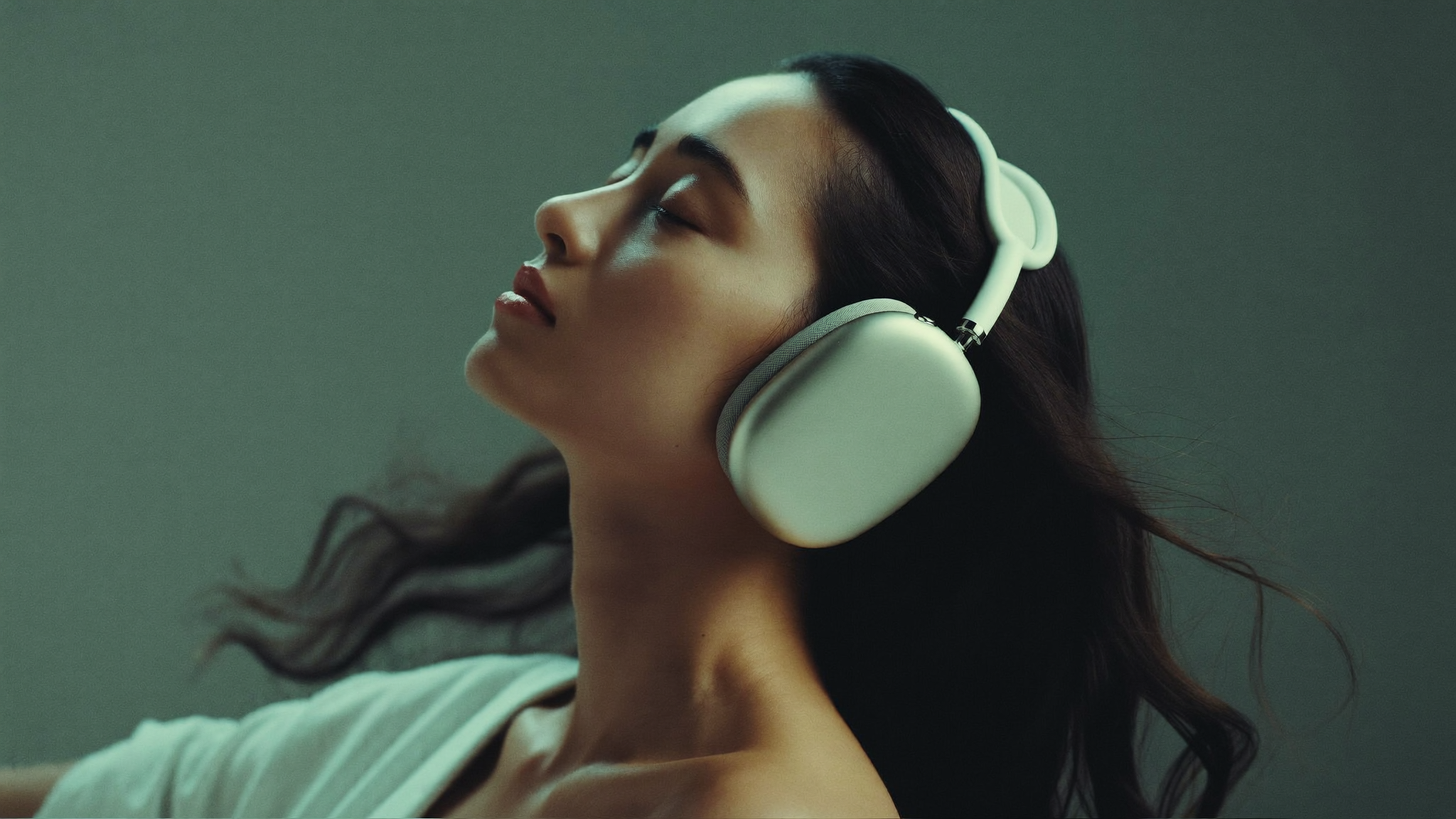
Environmental factors play a crucial role in the effectiveness of vagal tone music therapy. Choose a quiet space free from distractions, use high-quality headphones or speakers that can accurately reproduce low frequencies, and maintain a comfortable temperature. The goal is to create conditions that naturally support parasympathetic activation.
- Create a distraction-free listening environment
- Use high-quality audio equipment for accurate frequency reproduction
- Maintain comfortable temperature and lighting
- Practice consistent timing for maximum benefit
Beginner Protocol: Starting Your Vagus Nerve Music Practice
If you're new to vagus nerve music therapy, start with short 5-10 minute sessions using simple frequencies like 432 Hz or basic solfeggio tones. Begin with once daily, preferably at the same time each day to establish a routine. Morning sessions can set a calm tone for your day, while evening sessions prepare your nervous system for rest.
Pay attention to your body's responses during and after listening. You may notice changes in breathing patterns, heart rate, muscle tension, or emotional state. These are all indicators that your vagus nerve is responding to the sound stimulation. Gradually increase session length to 15-20 minutes as your nervous system adapts.
- Start with 5-10 minute daily sessions
- Use simple frequencies like 432 Hz initially
- Maintain consistent timing each day
- Monitor physical and emotional responses
Advanced Techniques for Experienced Practitioners
Once comfortable with basic vagus nerve music protocols, you can explore more sophisticated approaches. Combine different frequencies in sequence, starting with higher frequencies for alertness and gradually moving to lower frequencies for deep relaxation. This creates a natural arc that guides your nervous system through different states.
Advanced practitioners often combine vagus nerve meditation music with specific breathing techniques, gentle movement, or visualization practices. The key is maintaining awareness of your vagal responses while gradually expanding the complexity and duration of your practice.
- Sequence frequencies from higher to lower tones
- Combine with breathing techniques and gentle movement
- Extend sessions to 30-45 minutes for deep work
- Maintain awareness of vagal responses throughout
Scientific Research and Evidence Behind Vagus Nerve Music
The therapeutic use of music for vagus nerve stimulation is supported by a growing body of scientific research. Studies have demonstrated measurable changes in heart rate variability, cortisol levels, and inflammatory markers following exposure to specific frequencies and musical compositions.
A landmark study published in the Journal of Music Therapy found that participants listening to 528 Hz music showed significant reductions in stress hormones and improvements in immune function markers. Similarly, research on binaural beats has demonstrated their ability to influence brainwave patterns and autonomic nervous system function in ways that support vagal health.
Heart rate variability research provides some of the strongest evidence for music's effect on the vagus nerve. Multiple studies have shown that specific types of music can increase HRV, indicating improved vagal tone and better stress resilience. This research validates traditional practices while providing a scientific framework for understanding how sound healing works.
- 528 Hz music reduces stress hormones and improves immune function
- Binaural beats measurably influence brainwave patterns
- Heart rate variability studies confirm vagal activation through music
- Research validates traditional sound healing practices with modern science
Scientific research consistently demonstrates that specific frequencies and musical compositions can measurably improve vagal function and overall nervous system health.
Creating Your Personal Vagus Nerve Music Library
Building an effective collection of vagus nerve music requires understanding your specific needs and preferences. Different situations call for different types of musical intervention, and having a well-curated library ensures you have the right sounds available when needed.
Start by identifying your primary goals: stress relief, better sleep, digestive support, or general nervous system health. Then select appropriate frequencies and musical styles for each purpose. Your library might include 432 Hz compositions for daily stress management, delta binaural beats for sleep, solfeggio frequencies for healing work, and chanting or toning tracks for active practice.
- Identify your primary therapeutic goals first
- Select different frequencies for specific purposes
- Prioritize professional, high-quality audio production
- Include variety: instrumental, binaural beats, and chanting
Essential Tracks for Your Collection
A comprehensive vagus nerve music collection should include several key categories. For daily stress management, include 432 Hz instrumental music and 528 Hz healing tones. For sleep support, add delta binaural beats and low-frequency ambient compositions. For active healing work, incorporate solfeggio frequency collections and guided toning exercises.
- 432 Hz and 528 Hz for daily stress management
- Delta binaural beats for sleep support
- Solfeggio collections for healing work
- Varied tracks for different times and situations
Frequently Asked Questions
How quickly does vagus nerve music work for stress relief?
Most people experience initial relaxation effects within 3-5 minutes of listening to appropriate frequencies like 432 Hz or 528 Hz. However, measurable improvements in vagal tone and lasting stress relief typically develop after 2-4 weeks of consistent daily practice. The immediate calming effects are due to rapid parasympathetic activation, while long-term benefits result from improved overall nervous system regulation.
What's the best frequency for vagus nerve stimulation?
While individual responses vary, research suggests that 528 Hz is one of the most effective frequencies for vagus nerve stimulation and healing. This 'Love Frequency' has been shown to reduce stress hormones and promote cellular repair. Other highly effective frequencies include 432 Hz for general relaxation, 741 Hz for detoxification support, and delta binaural beats (0.5-4 Hz) for deep healing states.
Can I listen to vagus nerve music while sleeping?
Yes, listening to appropriate frequencies during sleep can support vagal tone and improve sleep quality. Use delta binaural beats (0.5-4 Hz), low-frequency ambient sounds, or gentle 432 Hz music at a very low volume. Ensure the audio fades out or loops gently to avoid disrupting sleep cycles. Many people find that 20-30 minutes of vagus nerve music as they fall asleep provides optimal benefits without interference.
How long should I listen to vagus nerve music each day?
For beginners, start with 5-10 minutes daily and gradually increase to 15-20 minutes as your nervous system adapts. Experienced practitioners often benefit from 20-30 minute sessions or multiple shorter sessions throughout the day. For specific therapeutic goals like anxiety or digestive issues, 15-20 minutes twice daily often provides optimal results. Quality and consistency matter more than duration.
Do I need special headphones for vagus nerve music therapy?
While not absolutely necessary, high-quality headphones or speakers that accurately reproduce low frequencies will enhance the effectiveness of sound therapy. For binaural beats, stereo headphones are essential since different frequencies must be delivered to each ear separately. Look for headphones with good bass response and minimal distortion.
Can vagus nerve music help with digestive issues?
Yes, vagus nerve music can significantly support digestive health since the vagus nerve regulates gastric acid production, gut motility, and brain-gut communication. Listen to calming frequencies like 528 Hz or gentle instrumental music 10-15 minutes before meals to prepare your digestive system. Post-meal sessions of 15-20 minutes can aid digestion and reduce symptoms like bloating.
Are there any side effects or precautions with vagus nerve music?
Vagus nerve music is generally very safe, but some people may experience initial detox symptoms like mild headaches or emotional release as their nervous system rebalances. Start with shorter sessions and lower volumes if you're sensitive. People with certain medical conditions like seizure disorders should consult healthcare providers before using binaural beats.
Conclusion
Vagus nerve music offers a powerful, accessible pathway to improved health and wellbeing through the natural activation of your parasympathetic nervous system. By understanding the science behind specific frequencies like 432 Hz, 528 Hz, and therapeutic binaural beats, you can harness the healing power of sound to reduce stress, improve sleep, support digestion, and enhance overall nervous system function. The key to success lies in consistent practice, appropriate frequency selection, and creating optimal listening conditions.
Start your vagus nerve healing journey today by exploring high-quality therapeutic frequencies and establishing a consistent daily listening practice.
Listen while you read
Sound Bath Music — Lie down and let the sound do the work. Streams free in your browser, no app, no sign-up.