


- Calm music for sleep works by slowing heart rate, reducing cortisol, and guiding the brain into deeper relaxation states.
- 432Hz is called the "natural frequency" and is used in sleep playlists to synchronize brainwaves with a restful state.
- Steady calm music creates a "sound blanket" that helps ADHD brains filter distractions and maintain flow states.
- 528Hz, the "love frequency," is associated with releasing tension at a cellular level and reducing inflammation.
- Sound frequencies influence brainwave patterns through entrainment, syncing the brain to the frequency being played.
- The article recommends giving your body at least 21 days of consistent listening to adapt to a new calm music routine.
Finding the right calm music can transform your daily routine. Whether you struggle with sleep, need help focusing during work, or simply want to unwind after a long day, the right sounds make all the difference. We have hand-picked these healing frequency playlists specifically to help you achieve deeper relaxation, better sleep, improved concentration, and a more peaceful mind.
Each playlist below combines carefully selected tracks tuned to specific healing frequencies like 432Hz and 528Hz. These frequencies have been used for centuries to promote wellness, reduce anxiety, and create a sense of harmony in the body and mind. Press play and let the calm wash over you.
Our Hand-Picked Calm Music Playlists
Calm Music for Better Sleep
Sleep is essential for physical recovery, mental clarity, and emotional balance. Yet millions of people struggle to fall asleep or stay asleep throughout the night. Calm music designed for sleep works by slowing your heart rate, reducing cortisol levels, and guiding your brain into deeper relaxation states.
Our sleep playlists feature tracks tuned to 432Hz, often called the "natural frequency" because it resonates with the patterns found in nature. This frequency helps synchronize your brainwaves with a calm, restful state, making it easier to drift off and enjoy uninterrupted sleep.
- Reduces time to fall asleep by calming the nervous system
- Promotes deeper REM cycles for more restorative rest
- Minimizes nighttime awakenings and restlessness
- Creates a consistent bedtime routine your body recognizes
Calm Music for Focus and ADHD Support
Staying focused in a world full of distractions is challenging for anyone. For those with ADHD, maintaining concentration can feel nearly impossible without the right tools. Calm music with specific frequency patterns provides a steady auditory environment that helps the brain filter out distractions and lock into a focused state.
Unlike silence, which can make the mind wander, or typical music, which can be distracting, calm instrumental tracks with healing frequencies create a "sound blanket" that keeps your brain engaged just enough to prevent wandering without pulling attention away from the task at hand.
- Provides consistent background stimulation for ADHD brains
- Reduces the urge to seek distracting stimuli
- Helps maintain flow states during work or study sessions
- Supports longer periods of sustained concentration
Calm Music for Deep Relaxation
Chronic stress affects every system in your body. From elevated blood pressure to weakened immunity, the effects of ongoing tension are serious. Calm music acts as a natural stress reliever by activating your parasympathetic nervous system, the part of your body responsible for rest and recovery.
When you listen to calm music tuned to 528Hz, known as the "love frequency" or "miracle tone," your body begins to release tension at a cellular level. This frequency has been associated with DNA repair, reduced inflammation, and a profound sense of peace.
- Lowers cortisol and adrenaline levels naturally
- Activates the body's relaxation response
- Reduces muscle tension and physical tightness
- Creates space for emotional processing and release
Calm Music for Meditation Practice
Meditation is one of the most powerful practices for mental clarity, emotional balance, and spiritual growth. But for many people, sitting in silence feels uncomfortable or leads to racing thoughts. Calm music provides a gentle anchor for your attention, making it easier to settle into stillness.
Our meditation playlists combine ambient soundscapes with healing frequencies that guide your brainwaves from beta (active thinking) into alpha and theta states (relaxed awareness and deep meditation). This makes your practice more effective and enjoyable, whether you are a beginner or an experienced meditator.
- Provides a focal point for wandering attention
- Guides brainwaves into deeper meditative states
- Enhances mindfulness and present-moment awareness
- Makes meditation accessible for beginners
The Science Behind Healing Frequencies in Calm Music
Healing frequencies are specific sound vibrations measured in Hertz (Hz) that have been shown to affect the human body and mind in positive ways. The most commonly used frequencies in calm music include 432Hz, 528Hz, 396Hz, and 741Hz, each associated with different benefits.
Research has shown that sound frequencies can influence brainwave patterns through a process called entrainment. When you listen to calm music at a specific frequency, your brain naturally begins to synchronize with that frequency, producing corresponding mental and emotional states.
- 432Hz: Promotes natural harmony, reduces anxiety, and supports deep relaxation
- 528Hz: Known as the "miracle frequency" for DNA repair and cellular healing
- 396Hz: Helps release fear and guilt, creating emotional freedom
- 741Hz: Supports intuition, problem-solving, and mental clarity
How to Get the Most from Calm Music
To maximize the benefits of calm music, consistency is key. Here are some practical tips for incorporating these playlists into your daily routine:
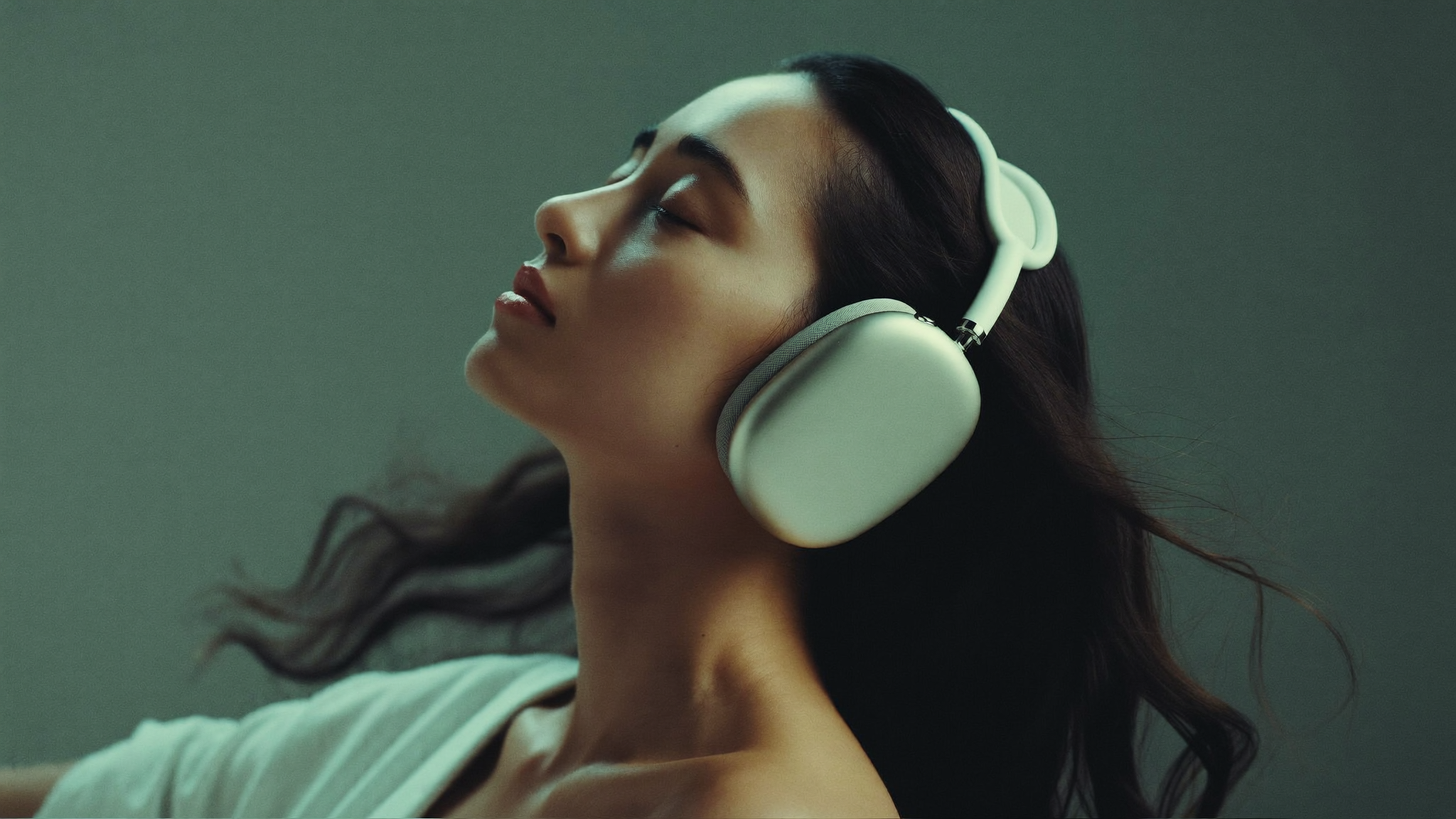
- Use headphones for the best frequency response and immersion
- Set a consistent listening schedule, especially for sleep
- Keep the volume at a comfortable, non-distracting level
- Create a dedicated space for listening without interruptions
- Combine with other relaxation practices like deep breathing or stretching
- Give your body at least 21 days to adapt to a new routine
Start Your Calm Music Journey Today
Whether you need help sleeping, staying focused, managing stress, or deepening your meditation practice, calm music with healing frequencies offers a natural, effective solution. Our hand-picked playlists are designed to meet you wherever you are in your wellness journey and guide you toward greater peace and balance.
Press play on any of the playlists above and experience the difference that intentionally crafted calm music can make. Your mind and body will thank you.
Building a Calm Listening Routine That Actually Sticks
The benefits of calm music compound when listening becomes a habit rather than an occasional rescue. The nervous system learns through repetition: when you consistently pair a specific soundscape with rest, your body begins to anticipate relaxation the moment the first notes arrive. This is classical conditioning at work, and it is why a familiar sleep playlist can lower heart rate within minutes once the association is established.
Anchor Sound to a Daily Cue
Attach your listening to an existing routine so it requires no willpower. Press play as you dim the lights, after you brush your teeth, or the moment you sit down to focus. Within a week or two, that cue alone starts to trigger the calming response. Keep the volume low, ideally below 50 decibels for sleep, so the music supports rest without becoming a stimulus your brain feels compelled to track.
What to Notice as the Weeks Pass
Early on, you may simply feel pleasantly distracted from a racing mind. Over time, the changes deepen: easier transitions into sleep, a steadier sense of focus, and a quicker return to baseline after stressful moments. Many listeners report that their resting heart rate variability improves, a marker of a more resilient parasympathetic nervous system. Trust the slow accumulation rather than chasing a dramatic single session.
Calm is not a switch you flip once. It is a skill your nervous system rehearses, and the right music is simply a reliable rehearsal partner.
Common Mistakes That Undermine Calm Music
The most frequent error is playing music too loudly. Volume that feels soothing while awake can keep the brain in a light, vigilant state through the night. A second mistake is constant novelty, hopping between dozens of tracks so the nervous system never settles into recognition. Choose a small rotation of trusted playlists and let familiarity do its quiet work. Finally, avoid lyric-heavy or rhythmically busy music when the goal is rest; language and strong beats recruit attention rather than releasing it. For deeper relaxation, pair calm music with slow nasal breathing, exhaling longer than you inhale, to gently engage the vagus nerve.
Frequently Asked Questions
What is calm music with healing frequencies?
Calm music with healing frequencies is instrumental or ambient music tuned to specific frequencies, such as 432Hz and 528Hz, that are associated with relaxation, reduced anxiety, and a sense of harmony in the body and mind.
Which frequency is best for sleep?
432Hz is often recommended for sleep because it is called the "natural frequency" and helps synchronize brainwaves with a calm, restful state, making it easier to fall asleep and stay asleep.
Can calm music help with focus and ADHD?
Yes. Calm music with steady frequency patterns creates a "sound blanket" that helps the brain filter out distractions and maintain flow states, which can support sustained concentration for people with ADHD.
How long does it take for calm music to work?
Many people feel calmer right away, but for lasting benefits like better sleep routines, consistency matters. It is recommended to give your body at least 21 days of regular listening to adapt to a new routine.
Should I use headphones when listening to calm music?
Headphones are recommended for the best frequency response and immersion, especially for binaural beats and precise healing frequencies, though speakers at a comfortable volume also work well for background relaxation.