
- Noise colors = spectrum shapes: white (equal energy), pink (−3 dB/octave, warmer), brown (deepest rumble), green (mid-band, rain-like), blue (bright, rising)
- For sleep, green and brown are the usual winners — they mask disturbances without the hiss of white
- Masking is the real mechanism: steady noise covers the CHANGES (doors, snoring, traffic) that wake you, not the sound itself
- Volume rule: just above a whisper — masking works at gentle levels
- Test every color free in our green noise generator; no app, 8-hour timer built in
What 'Colors' of Noise Actually Mean
Steady noise contains every audible frequency at once; the color names how that energy is distributed. White noise (by analogy with white light) holds every frequency at equal power — bright, hissy, like an untuned radio. Every other color is a tilt of that spectrum, and the tilt is what your ears care about.
The Noise Color Map
White — flat spectrum. Brightest, most clinical; excellent masking but fatiguing for some ears overnight.
Pink — energy falls 3 dB per octave. Nature's balance point (rain, wind, surf average out pink); warmer than white, still airy.

Brown (red) — falls 6 dB per octave. Deep rumble: waterfall up close, jet cabin, thunder's afterglow. The choice for racing minds and for masking low sounds like traffic bass.
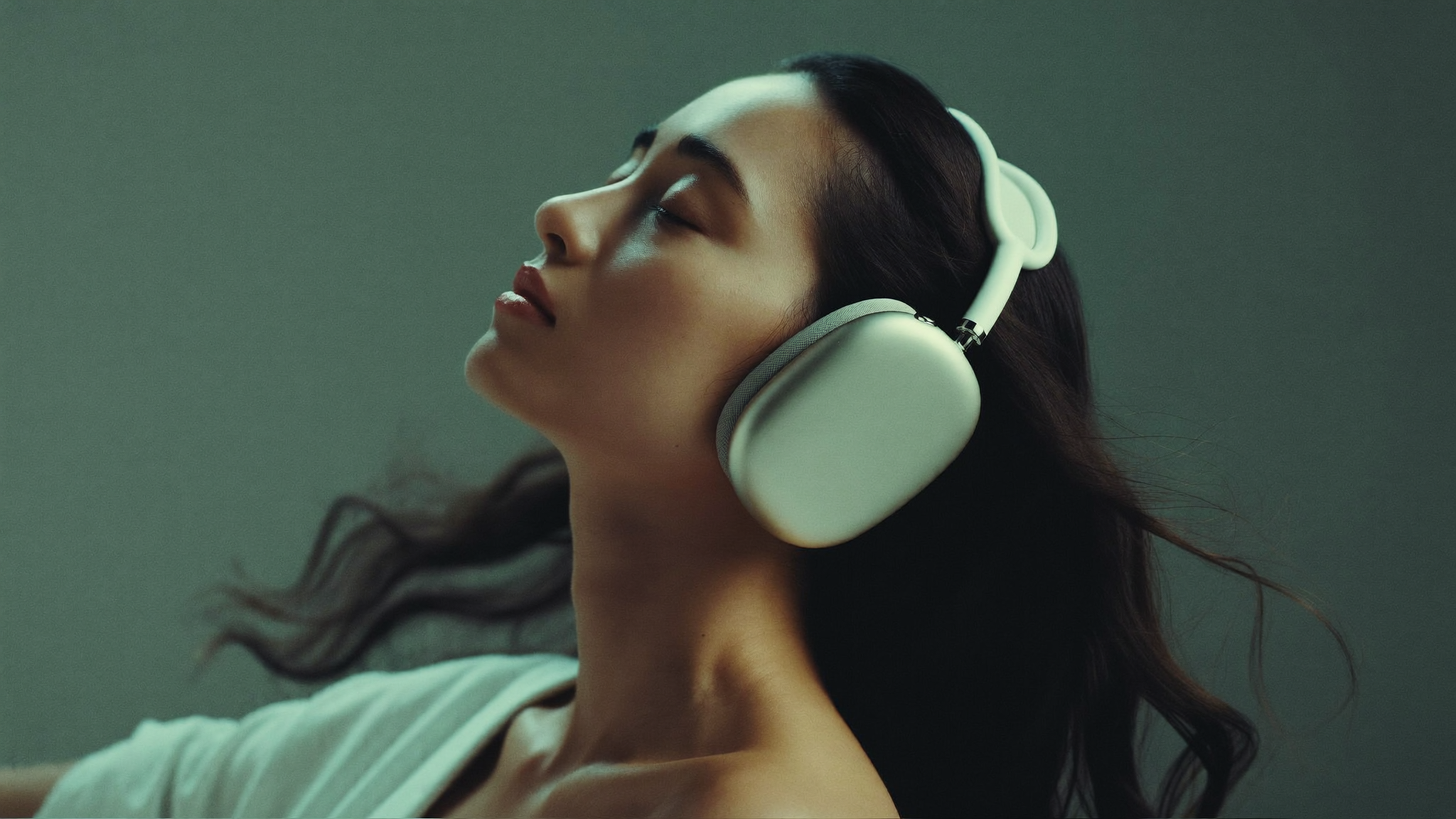
Green — energy concentrated mid-spectrum around 500 Hz. Sounds like steady rainfall — the most 'natural' of the colors, and the current favorite for sleep.
Blue — energy rises toward the treble. Bright and airy; rarely a whole-night sound, but useful for masking high-pitched disturbances (tinnitus-adjacent hiss, electronics whine).
Which Noise Is Best for Sleep?
The honest answer: the one your ears stop noticing fastest. In practice most sleepers land on green (rain-like, easy) or brown (deep, mind-quieting); pink is the compromise candidate; white wins only in very noisy environments where maximum masking matters; blue is a specialist tool. Noise works by masking changes — the door, the snore, the truck — because it is change, not volume, that wakes a sleeping brain.
Try Every Color Right Now
Our free noise generator plays green, brown, pink, white and blue noise in the browser with an 8-hour sleep timer — no app, no account. Test each color for thirty seconds and trust the one your shoulders drop to. Prefer something with music in it? The sleep playlist below layers real 432 Hz composition over a soft noise floor.
Frequently Asked Questions
What color noise is best for sleep?
Green or brown for most people: green sounds like steady rain, brown like a deep waterfall, and both mask disturbances without white noise's hiss. There is no universal winner — run a 30-second test of each and keep the one that feels like relief.
What color noise is best for anxiety?
Brown noise is the common favorite for anxious, racing minds — the depth reads as shelter. Pair it with a long exhale for a few minutes; for daytime anxiety our calm anxiety music works the same job with more warmth.
Is it OK to play noise all night?
Yes at gentle volume — just above a whisper is enough for masking. If you use earbuds, prefer a speaker instead for all-night comfort, and use the generator's timer if you only need the fall-asleep window.