


- The classic frequency pairing for the eyes is soft 432 Hz — rest for the most overworked sense — by feeding a different one
- Screen-strained eyes need closed-eye time, and closed-eye time needs something for the mind to rest on.
- Try 20-20-20 with sound: every 20 minutes, 20 seconds of closed eyes with your calm track.
- Daily 10–20 minute sessions outperform occasional long ones — consistency builds the response
- Healing music supports rest and wellbeing; it complements professional care rather than replacing it
How Healing Music Supports the Eyes
Screen-strained eyes need closed-eye time, and closed-eye time needs something for the mind to rest on. That's the whole trick: music makes eye rest sustainable — palming, dark breaks, and pre-sleep screen-off hours all become easier with sound.
Try 20-20-20 with sound: every 20 minutes, 20 seconds of closed eyes with your calm track. An audio wind-down hour before bed removes the screen from the sleepiest, most strain-prone hours.
The Best Frequency for the Eyes
The classic pairing is soft 432 Hz — rest for the most overworked sense — by feeding a different one. You can hear the pure tone right now in our free tone generator, or go straight to full compositions below.
Listen: Healing Music for the Eyes
The playlist below is our own catalog — real composed healing music, free on every platform. Prefer the on-site player with full tracks? It lives on the dedicated playlist page.
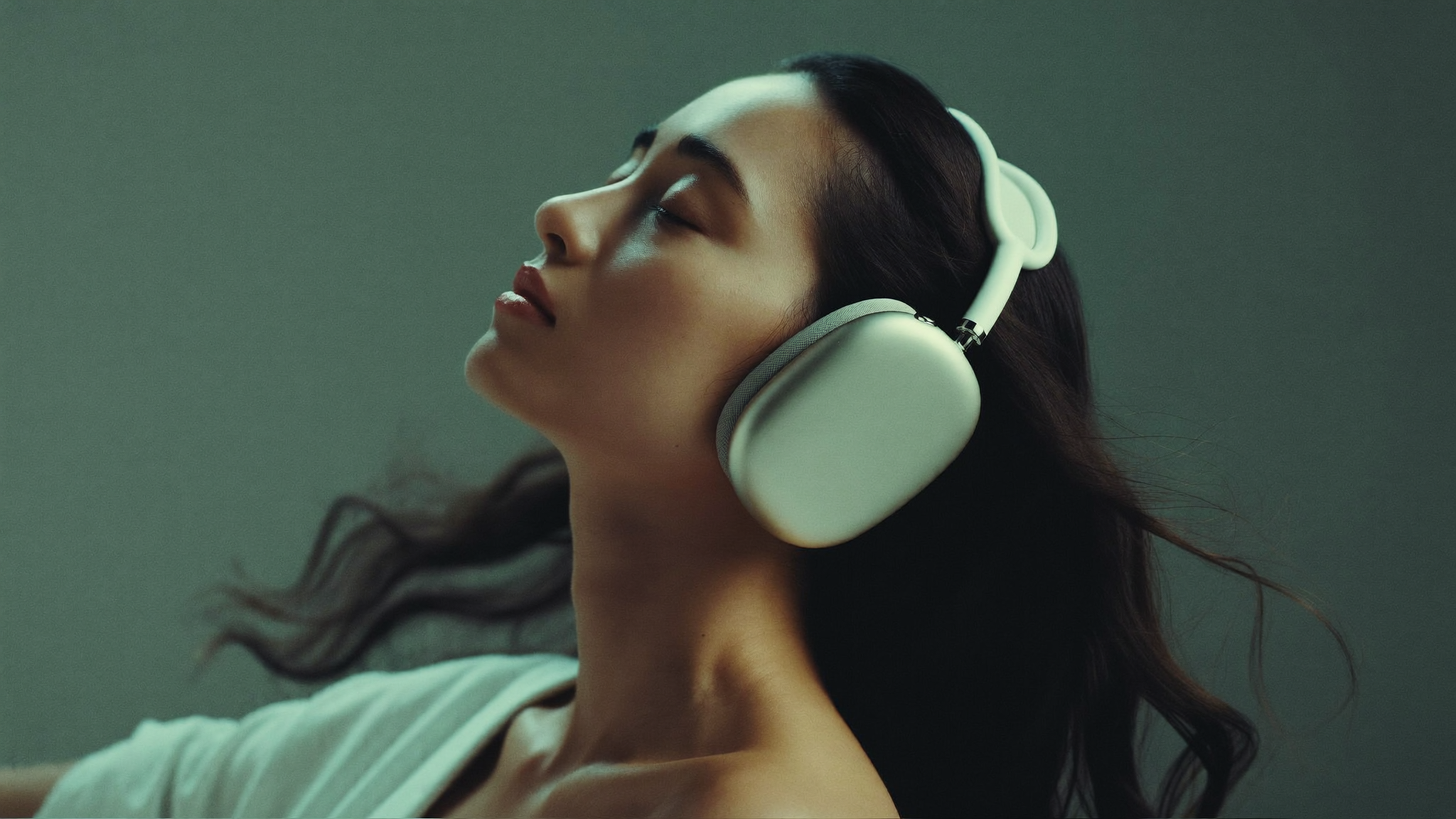
How to Use It
1. Choose your moment. Attach the music to a consistent time or trigger — consistency is what turns listening into a practice.
2. Set the scene. Comfortable position, volume low, phone face-down. Ten minutes minimum; twenty is better.
3. Let the music lead the breath. Don't force relaxation — just let your exhale settle toward the music's pace.
Healing music supports rest and wellbeing — it is not medical treatment. For ongoing health concerns, please talk to a healthcare professional.
Frequently Asked Questions
How does music help tired eyes?
By making eyes-closed rest something you actually do: music occupies attention so closed-eye breaks, palming and screen-free evenings stop feeling like deprivation.
How often should I listen to healing music for the eyes?
Daily short sessions outperform occasional long ones. A consistent 10–20 minutes builds the association your nervous system learns to trust.
Do I need headphones?
Headphones deepen immersion, but speakers work well for ambient use — and are the right choice for pets, children and shared spaces.