

- Delta brainwaves (0.5–4 Hz) characterize deep, restorative sleep; solfeggio frequencies entrain the brain toward delta states through auditory stimulation.
- 174 Hz is the solfeggio frequency most associated with sleep — it is the lowest tone and has a sedative, grounding effect on the nervous system.
- 528 Hz promotes theta wave activity (4–8 Hz), the transitional state between wakefulness and deep sleep that is ideal for falling asleep.
- Listening to solfeggio sleep frequencies for 30–60 minutes before bed is more effective than using them as all-night background audio.
- Combining 432 Hz or 528 Hz tracks with progressive muscle relaxation or 4-7-8 breathing amplifies the sleep-onset speed.
Sleep is essential for our well-being, yet millions struggle to achieve quality rest each night. Among the myriad of sleep aids available, one ancient practice has resurfaced with modern significance: solfeggio frequencies. These harmonious tones, deeply rooted in spiritual traditions, are believed to promote relaxation, healing, and enhanced sleep. This article delves into solfeggio frequencies for sleep, exploring their history, benefits, and practical applications.



What Are Solfeggio Frequencies
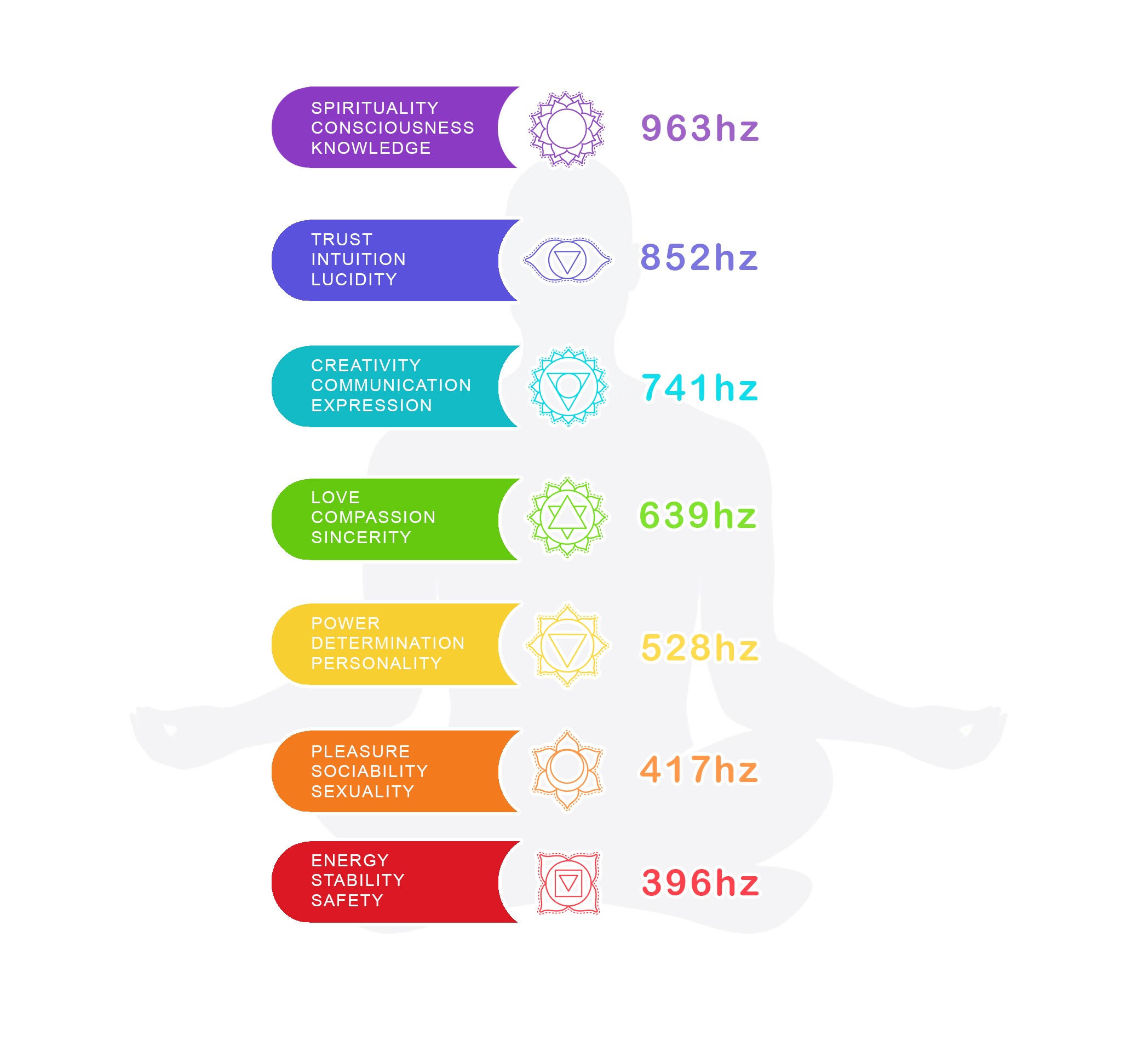
Solfeggio frequencies are a series of specific sound vibrations originally associated with Gregorian chants and ancient spiritual music. They are composed of six core frequencies, each believed to resonate with specific chakras or energy centers in the body:
- 396 Hz – For liberating guilt and fear
- 417 Hz – To aid in facilitating change
- 528 Hz – Known for transformation and DNA repair
- 639 Hz – Supporting connection and relationships
- 741 Hz – Assisting in awakening intuition
- 852 Hz – Reconnecting to spiritual order
Beyond their spiritual origins, these tones have gained recognition for their therapeutic effects, particularly in improving sleep quality.
How Do Solfeggio Frequencies Affect Sleep?
1. Inducing Relaxation
Solfeggio frequencies operate within the range of sound that interacts with the brain's natural rhythms. For sleep, they can help calm the nervous system, reduce stress, and foster a meditative state. The most common sleep-promoting frequencies include 528 Hz and 396 Hz, known for their soothing and grounding effects.
2. Balancing Brainwaves
Our brain operates at various frequencies depending on our activity level. During sleep, it transitions to slower waves like theta and delta. Listening to solfeggio frequencies can guide the brain into these restful states, creating an optimal environment for restorative sleep.
3. Alleviating Stress and Anxiety
Many individuals struggle with sleep due to heightened anxiety or stress. The resonant properties of solfeggio frequencies, particularly 417 Hz, are believed to dissolve negative emotions, paving the way for uninterrupted rest.
Benefits of Using Solfeggio Frequencies for Sleep
396 Hz – Liberating Guilt and Fear
The 396 Hz frequency helps to ease feelings of guilt and fear, enabling a peaceful mental state. Many individuals reported that this frequency allowed them to release emotional burdens, making it easier to drift off to sleep.
528 Hz – Transformation and DNA Repair
Often called the "love frequency," 528 Hz promotes a sense of calmness and tranquility. Research indicates that listening to this frequency can lead to lower heart rates and enhanced feelings of joy, both vital for a good night's sleep. Incorporating this sound into your bedtime routine may significantly improve how quickly you fall asleep and how deep your sleep is.
852 Hz – Returning to Spiritual Order
The 852 Hz frequency is particularly effective for attaining a mental state that favors deep sleep. It encourages mindfulness and inner strength, which can help ease the mind and promote uninterrupted slumber. Studies have shown that listening to this frequency can decrease sleep disturbances, leading to higher quality rest.
Practical Ways to Use Solfeggio Frequencies for Sleep
Integrating solfeggio frequencies into your nightly routine is simple. Here are some actionable steps to help you get started:
1. Create a Calming Environment
Turn your bedroom into a sanctuary. Dim the lights, declutter, and ensure your bedding is comfortable. A serene setting can amplify the relaxing effects of the frequencies.
2. Choose Appropriate Soundtracks
Explore online sources like streaming platforms that offer solfeggio frequency music tailored for sleep. Look for playlists featuring frequencies such as 396 Hz, 528 Hz, and 852 Hz.
3. Use Headphones or Speakers
Consider using quality headphones or speakers to enhance your sound experience. This setup helps to drown out interruptions and lets the music envelop you in tranquility.
4. Meditate and Breathe
Before sleep, dedicate a few minutes to meditate. As you listen to the frequencies, engage in deep breathing. Add visualization techniques to strengthen relaxation and improve your overall experience.
5. Establish a Consistent Routine
Integrating solfeggio frequencies into your nightly routine is key. By doing this, your mind will learn to associate these sounds with relaxation and sleep. Over time, this could facilitate quicker transitions into restful sleep.
Enhancing Sleep with Complementary Techniques
To maximize the benefits of solfeggio frequencies, consider pairing them with additional relaxation techniques:
Aromatherapy
Scented oils, like lavender and chamomile, can amplify the soothing effects of sound. Use a diffuser or pillow spray to create a calming atmosphere that encourages sleep alongside the frequencies.
Gentle Yoga and Stretching
Adding light yoga or stretching before bedtime can release muscle tension. Merging these practices with solfeggio frequencies can enhance the mind-body connection, leading to deeper sleep.
Limit Screen Time
In our screen-dominated world, the blue light from devices can disrupt sleep quality. Reducing screen time before bed allows your brain to naturally produce melatonin, promoting better sleep patterns.
Real-Life Testimonials: Healing Through Sound
Many individuals have found success by integrating solfeggio frequencies into their nighttime routines. Sarah, a 34-year-old nurse, shared:
"After exhausting shifts, I found it hard to unwind. Listening to 528 Hz has truly improved my relaxation and sleep quality."
Mark, a 45-year-old teacher, echoed a similar experience:
"The chaos of life kept me awake. With the 396 Hz frequency, I can finally release my worries and feel calm."
Embrace the Healing Potential of Sound
Solfeggio frequencies offer a unique approach to achieving restful sleep. By harnessing these ancient sounds, you can cultivate a nighttime ritual that promotes deep, restorative slumber. Integrating these frequencies into your bedtime routine can help you relax, alleviate stress, and create an optimal sleep environment.
Why Solfeggio Tones Suit the Sleep Transition
Falling asleep is fundamentally a slowing-down process, and the Solfeggio frequencies most associated with rest support that slowing in two ways. First, their sustained, gentle character provides a steady auditory anchor that quiets the mental chatter that keeps so many people awake. Second, low Solfeggio tones can support brainwave entrainment toward the slower theta and delta rhythms that accompany drowsiness and deep sleep. As the brain follows the calm, predictable signal, the racing thoughts of the day have less room to take hold.
The sleep-supportive members of the Solfeggio family each contribute something slightly different. The 396 Hz tone is traditionally used to release fear and guilt, the kind of lingering worry that surfaces in the dark. The 432 Hz frequency, while not strictly Solfeggio, is widely paired with these tones for its smooth, grounding quality. And 528 Hz, often called the tone of restoration, can be woven in earlier in a session to encourage a settled, positive state before the deeper drift begins.
A Simple Bedtime Sequence
- Begin winding down 30 minutes before bed with the lights low and screens off.
- Play 528 Hz softly for the first 10 minutes to ease emotional tension.
- Transition to 396 Hz or a low theta-range track as you lie down and close your eyes.
- Set the audio to fade out after 45 to 60 minutes so it does not disturb later sleep cycles.
Common Mistakes and What to Expect Over Time
The most frequent error is playing sleep frequencies too loudly. Sound meant for rest should sit just above the threshold of comfortable hearing, present but never demanding attention. Using bright, treble-heavy tracks is another misstep, since higher frequencies tend to alert rather than relax; favor warm, low-end-rich recordings instead. If you share a bed, a single soft speaker is usually kinder than headphones, which can become uncomfortable once you roll over.
Patience matters here too. The first night may simply feel pleasant rather than transformative. Over a week or two of consistent use, many listeners report falling asleep faster and waking less often, as the brain begins to associate the tones with the cue to power down. For a complementary daytime practice, you might explore frequencies ideal for relaxation to keep stress lower before bedtime even arrives.
Frequently Asked Questions
1. What are solfeggio frequencies?
Solfeggio frequencies are specific sound vibrations historically used in sacred music and modern sound therapy to promote healing, relaxation, and balance.
2. Can solfeggio frequencies improve sleep?
Yes, solfeggio frequencies can improve sleep by inducing relaxation, balancing brainwaves, and alleviating stress.
3. How long should I listen to solfeggio frequencies for sleep?
Listening for 20–30 minutes before bedtime is generally sufficient, but you can play them throughout the night at a low volume.
4. Do solfeggio frequencies work for everyone?
While many people find them effective, individual experiences vary. Experimenting with different frequencies can help identify what works best.
5. Are there risks associated with using solfeggio frequencies?
Solfeggio frequencies are non-invasive and safe. However, they should complement—not replace—medical treatments for sleep disorders.
6. What's the best way to listen to solfeggio frequencies?
Use high-quality headphones or speakers in a quiet environment to maximize the therapeutic effects.