


- 528 Hz is one of six ancient Solfeggio tones and is commonly called the "love frequency" or "miracle tone."
- Reported benefits of 528 Hz include reduced stress and anxiety, better sleep, immune support, reduced pain and inflammation, and chakra alignment.
- One study found that listening to 528 Hz music for 30 minutes a day can help reduce stress and anxiety.
- Research by Arora et al. (2020) found that 528 Hz sound waves reduced the production of reactive oxygen species in brain tissue, suggesting a protective effect.
- You can experience 528 Hz by listening to tuned music, using a Solfeggio frequency generator, or attending a dedicated sound therapy session.
Solfeggio frequencies are a set of six ancient tones that are said to have healing properties. The 528 Hz frequency is known as the "love frequency" or the "miracle tone" and is believed to have a wide range of benefits, including:



This article covers one angle on the miracle tone — for the complete picture (what 528 Hz is, the research, how to use it, and every benefit reviewed), start with our full 528 Hz frequency guide.
- Reducing stress and anxiety
- Promoting relaxation and sleep
- Boosting the immune system
- Reducing pain and inflammation
- Enhancing creativity and intuition
- Aligning the chakras
- Promoting spiritual growth
There is some scientific evidence to support the healing properties of 528 Hz. For example, one study found that listening to 528 Hz music for 30 minutes a day can help to reduce stress and anxiety.
Another study found that exposure to 528 Hz sound waves can reduce the production of reactive oxygen species in brain tissue. Reactive oxygen species are molecules that can damage cells, so this finding suggests that 528 Hz sound waves may have a protective effect on the brain.
If you are interested in trying 528 Hz for its healing benefits, there are a few different ways to do it. You can listen to 528 Hz music, use a solfeggio frequency generator to create your own music, or attend a sound therapy session that uses 528 Hz.
Many people who have tried 528 Hz report feeling positive effects, such as reduced stress, increased relaxation, and improved sleep. You can join them by listening to Healing Miracle Frequencies Therapy Proven music.
Study Citation:
- Arora, R., et al. "Influence of various intensities of 528 Hz sound-wave in production of reactive oxygen species in brain tissue." Biomedical Research 31.1 (2020): 151-156.
Curious how this tone compares to another popular healing frequency? Read 432 Hz vs 528 Hz to see which is better for your goals.
Why 528 Hz Is Called the Love Frequency
Of all the Solfeggio tones, 528 Hz has captured the most attention, and its "love frequency" nickname is more than marketing. Within the traditional Solfeggio framework, 528 Hz is associated with the heart and solar plexus region — the energetic centre of compassion, self-worth, and connection. People drawn to this tone often describe a warm, open feeling rather than a dramatic event, which fits the gentle, parasympathetic relaxation that calming tones tend to produce.
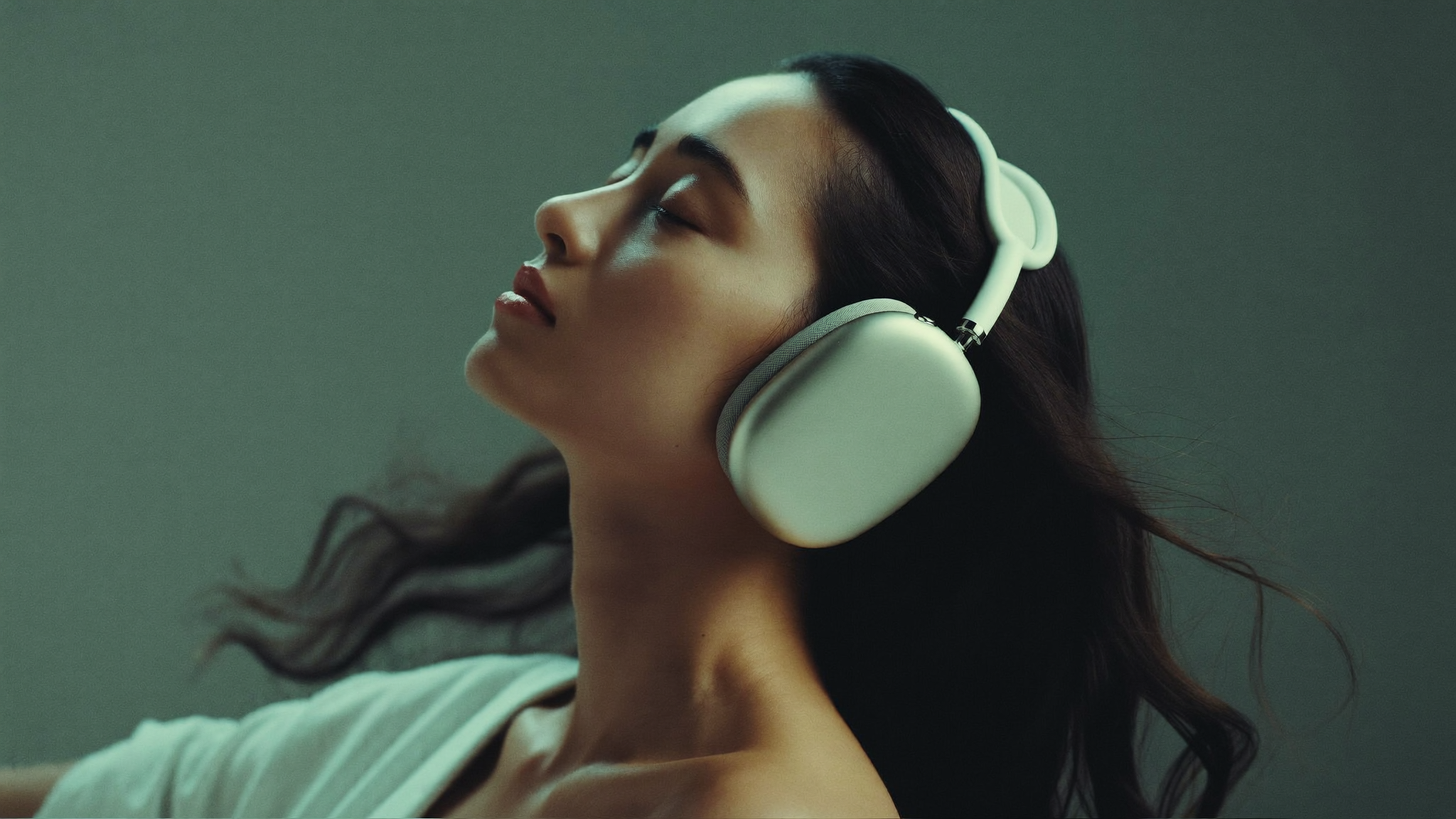
It is worth separating the poetic claims from the plausible ones. The idea that a single audible tone literally rewrites DNA is not supported by mainstream science. What is reasonable, and supported by broader research on music and relaxation, is that sustained, soothing sound can lower perceived stress, reduce circulating cortisol, and nudge the nervous system toward calm. Those are meaningful benefits on their own, without any need for miracle framing.
How 528 Hz Compares to Other Healing Frequencies
528 Hz rarely lives in isolation. Many listeners pair it with neighbouring Solfeggio tones depending on their goal. Compared with 396 Hz, which targets the release of fear and guilt, 528 Hz feels more expansive and uplifting. Compared with 741 Hz, which supports expression and mental clarity, 528 Hz is gentler and more heart-centred. And against the popular tuning standard of 432 Hz, 528 Hz tends to feel brighter and more energising rather than grounding.
If 432 Hz is a slow exhale, 528 Hz is a quiet, hopeful inhale — both calming, but with different emotional colour.
For a deeper side-by-side, the comparison between 432 Hz and 528 Hz is a useful next read, since the two are the most frequently confused tones in the entire wellness-sound space.
Building a 528 Hz Practice That Lasts
Set the scene
Choose a quiet time and a comfortable position. Keep the volume gentle — around 50 to 60 dB is plenty — and let the tone sit in the background of your awareness rather than demanding your focus. Headphones deepen the immersion but are not essential.
Pair it with breath
Slow breathing amplifies the calming effect. Inhaling for a count of four and exhaling for a count of six while the tone plays engages the vagus nerve and supports a measurable rise in heart rate variability, which is one of the clearest physiological markers of relaxation.
Be patient
Like any contemplative practice, 528 Hz rewards repetition. Aim for around thirty minutes a day for a couple of weeks before drawing conclusions, and notice changes in sleep, mood, and baseline stress rather than expecting a single dramatic session.
Who Benefits Most From 528 Hz
While anyone can enjoy 528 Hz, certain people tend to feel its effects most readily. Those carrying chronic, low-grade stress often notice the gentle parasympathetic shift first, because their baseline arousal has the most room to come down. People who struggle to quiet their minds at bedtime frequently find that a soft 528 Hz track, paired with slow breathing, smooths the transition from wakefulness toward the slower theta and delta brainwaves that precede sleep.
Creatives and those doing emotional or reflective work also gravitate toward this tone. The relaxed, heart-open state it encourages can make journaling, meditation, or therapy homework feel less guarded. If you tend to feel emotionally armoured at the end of a demanding day, 528 Hz offers a low-effort way to soften that defensiveness before deeper inner work.
Common Mistakes to Avoid
The most frequent error is expecting fireworks. 528 Hz works through subtle, cumulative shifts, not dramatic single sessions, so judging it after one listen almost always leads to disappointment. A second mistake is playing it too loudly in pursuit of a stronger effect; gentle volume around 50 to 60 dB is both safer for your ears and more conducive to the calm you are after. Finally, treat 528 Hz as a complement to good sleep, movement, and professional care — never as a stand-in for medical treatment. Held to realistic expectations, it becomes a reliable, low-cost anchor for everyday relaxation.
It also helps to remember that 528 Hz is just one voice in a larger chorus. Listeners who feel little from it sometimes thrive with a grounding tone like 432 Hz or a clarifying one like 741 Hz instead. There is no single correct frequency, only the one your nervous system responds to best on a given day. Give 528 Hz a fair, consistent trial, and if it does not resonate, treat that as useful information rather than failure — the chart offers eight other doorways to explore, each with its own emotional colour and ideal moment.
Frequently Asked Questions
What is the 528 Hz Solfeggio frequency?
528 Hz is one of the six ancient Solfeggio tones, often called the "love frequency" or "miracle tone." It is associated with healing, stress relief, and emotional balance.
What are the benefits of listening to 528 Hz?
Reported benefits include reduced stress and anxiety, deeper relaxation and sleep, immune support, reduced pain and inflammation, enhanced creativity, chakra alignment, and spiritual growth.
Is there scientific evidence behind 528 Hz?
Some studies suggest benefits. One found that 30 minutes of daily 528 Hz music reduced stress and anxiety, and another (Arora et al., 2020) found that 528 Hz sound waves reduced reactive oxygen species in brain tissue, hinting at a protective effect.
How can I use 528 Hz for healing?
You can listen to 528 Hz music, use a Solfeggio frequency generator to create your own tones, or attend a sound therapy session that uses the frequency.
How long should I listen to 528 Hz each day?
Many people start with about 30 minutes a day, which matches the duration used in studies on stress reduction. Listening during meditation, relaxation, or before sleep tends to work best.