
- 528 Hz is considered the single best frequency for combined sleep and healing — it calms the nervous system while supporting cellular repair during sleep.
- Delta binaural beats (1–4 Hz) remain the most scientifically validated method for inducing deep sleep via audio stimulation.
- 432 Hz reduces cortisol — the primary stress hormone that prevents sleep onset — making it ideal for pre-sleep listening routines.
- The body's peak cellular repair occurs during deep sleep stages; combining healing frequencies with sleep maximizes both rest quality and recovery.
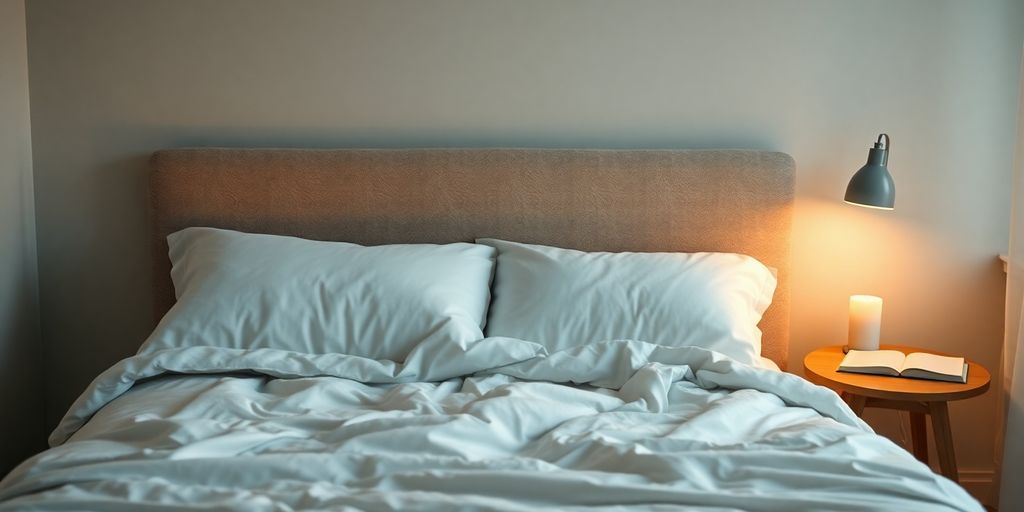
- A 30-minute pre-sleep ritual using 432 Hz or 528 Hz music, combined with darkness and cool room temperature, creates optimal conditions for restorative sleep.
Ever wondered how sound can help you sleep better or even heal? It might sound a little out there, but certain frequencies are believed to work wonders for the mind and body. From ancient traditions to modern science, people have been exploring how specific tones can improve sleep quality and promote healing. Whether it's calming your nerves or helping your body repair itself, finding the best frequency for sleep and healing could be a game-changer.



Key Takeaways
- Sound frequencies can influence both your sleep and healing processes.
- Solfeggio frequencies like 528 Hz and 432 Hz are popular for relaxation and repair.
- Listening to specific tones during meditation or bedtime can improve sleep quality.
- The vagus nerve plays a role in how sound impacts your body's natural healing.
- Consistency in using these frequencies is key to seeing long-term benefits.
The Science Behind the Best Frequency for Sleep and Healing
How Sound Frequencies Affect the Body
Sound is more than just noise—it's energy in motion. When sound waves travel through the air and reach our ears, they trigger vibrations that our brain interprets as sound. But here's the fascinating part: these vibrations don't just stop at our ears. They ripple through our entire body, influencing our cells, tissues, and even our emotions. Certain frequencies are believed to have a direct impact on physical and mental well-being, helping to calm the nervous system or promote healing.
For instance, exposure to specific frequencies like 432 Hz can reduce stress and even lower heart rates. This isn't just anecdotal; studies have shown measurable physiological effects when people are exposed to calming sound frequencies. These vibrations work by syncing with our body's natural rhythms, creating a state of harmony.
The Role of Brainwave States in Sleep
Our brain operates on electrical impulses, which can be categorized into various "brainwave states." These include:
- Delta waves (0.5–4 Hz): Associated with deep sleep and restorative processes.
- Theta waves (4–8 Hz): Linked to light sleep and relaxation.
- Alpha waves (8–14 Hz): A state of calm wakefulness, often experienced during meditation.
- Beta waves (14–30 Hz): Active thinking and alertness.
When we sleep, our brain naturally shifts into delta waves. However, sound frequencies, such as binaural beats, can encourage this transition. For example, listening to music tuned to delta frequencies can help the brain enter a deeper sleep state faster, enhancing the quality of rest.
Scientific Studies on Healing Frequencies
Research into healing frequencies is still emerging, but early findings are promising. One study on 528 Hz, often called the "love frequency," found that it promotes cellular repair and reduces oxidative stress. Similarly, 432 Hz has been shown to lower blood pressure and alleviate anxiety, making it ideal for relaxation and sleep.
| Frequency (Hz) | Potential Benefits |
|---|---|
| 528 Hz | Cellular repair, reduced stress |
| 432 Hz | Anxiety relief, improved sleep quality |
| Delta waves | Deep sleep, physical restoration |
While the science isn't fully settled, the growing interest in sound therapy suggests it's more than just pseudoscience. Many people report feeling calmer, more balanced, and well-rested after incorporating these frequencies into their routines.
Exploring Solfeggio Frequencies for Restorative Sleep
What Are Solfeggio Frequencies?
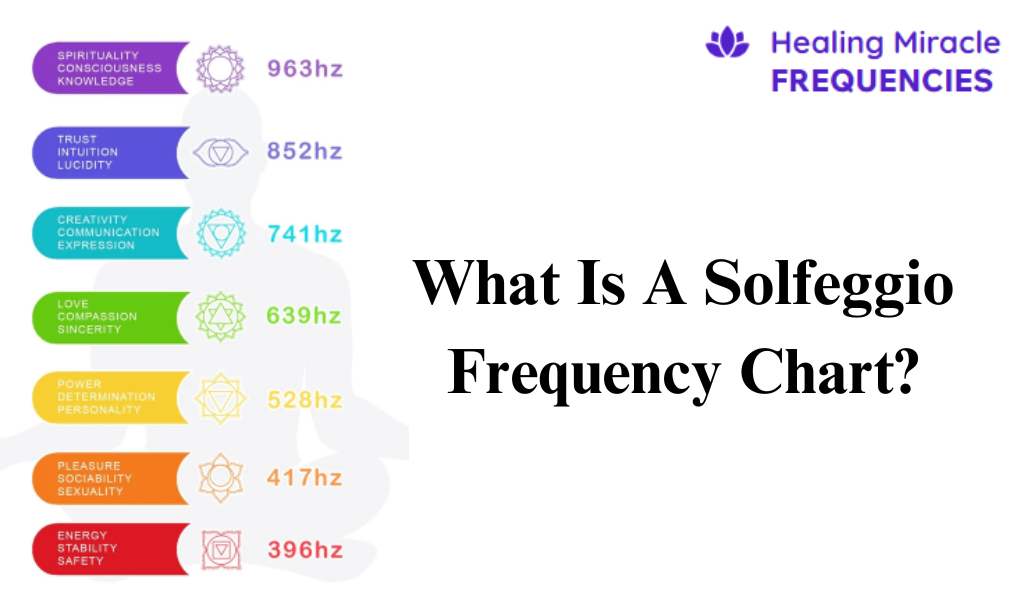
Solfeggio frequencies are a series of specific sound tones believed to promote healing and relaxation. These tones have historical roots, dating back to ancient times when they were used in sacred music and chants. Rediscovered in the 1970s by Dr. Joseph Puleo, they are now recognized for their potential to balance the body and mind. Each frequency in the Solfeggio scale has unique properties, with some aiding emotional release while others promote physical healing.
Key Frequencies for Sleep and Relaxation
Certain Solfeggio frequencies are particularly effective for improving sleep quality and relaxation:
- 432 Hz: Known for its calming effects, this frequency helps reduce stress and anxiety, making it ideal for winding down after a hectic day.
- 528 Hz: Often called the "Love Frequency," it is associated with DNA repair and emotional well-being, creating a soothing environment for sleep.
- 174 Hz: This tone is believed to reduce physical pain and promote a sense of safety, making it easier to relax into deep rest.
| Frequency | Nickname | Benefits |
|---|---|---|
| 432 Hz | Calming Frequency | Reduces stress and anxiety |
| 528 Hz | Love Frequency | Emotional healing, DNA repair |
| 174 Hz | Healing Frequency | Eases physical pain, promotes safety |
How to Incorporate Solfeggio Tones into Your Routine
- Listen Before Bed: Play tracks featuring 432 Hz or 528 Hz frequencies at a low volume as part of your nighttime routine.
- Pair with Activities: Use these tones while meditating, reading, or practicing yoga to deepen relaxation.
- Set Up a Sleep Playlist: Create a playlist of Solfeggio tones and let it play softly in the background as you fall asleep.
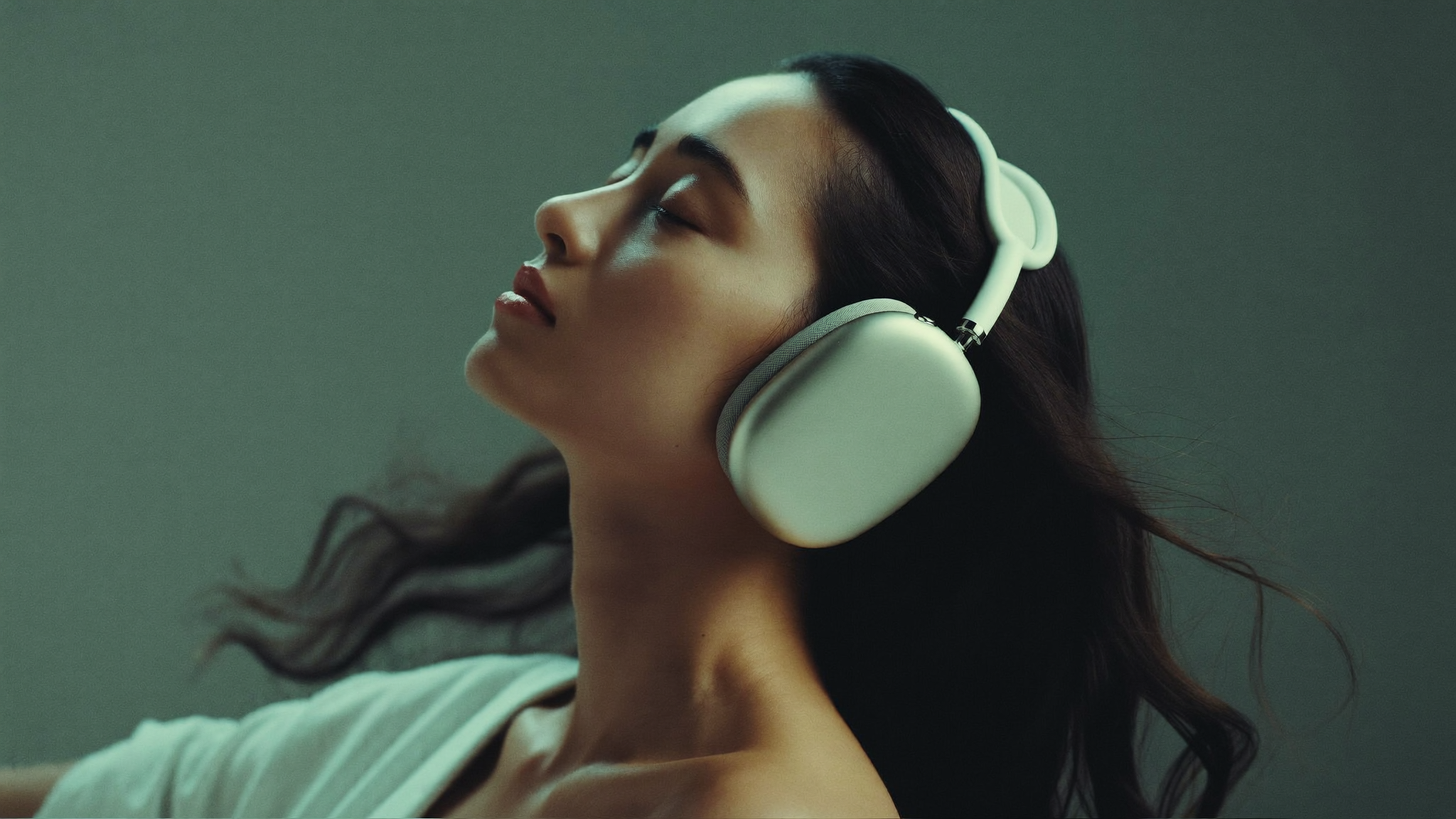
Tip: You don't need special headphones to benefit from these frequencies. Just a quiet space and a simple audio setup can work wonders for your sleep.
The Healing Power of 528 Hz: The Love Frequency
Why 528 Hz is Called the Miracle Tone
The 528 Hz frequency is often referred to as the "Miracle Tone" or "Love Frequency" because of its profound effects on both physical and emotional well-being. It's believed to resonate at the core of everything, promoting harmony and balance. This frequency is said to repair DNA, cleanse the body of stress, and enhance feelings of love and connection.
Benefits of Using 528 Hz for Sleep
- Reduce stress and anxiety, making it easier to fall asleep.
- Lower cortisol levels, which can disrupt restful sleep.
- Promote cellular repair during deep sleep cycles.
Practical Tips for Listening to 528 Hz
- Start Small: Dedicate 5-10 minutes daily to listening to 528 Hz music or tones.
- Pair with Relaxation: Use it during meditation, yoga, or bedtime routines.
- Create a Routine: Consistency amplifies benefits, so make it part of your nightly ritual.
The gentle hum of 528 Hz can transform your bedtime into a sanctuary of peace, helping you reset and recharge after a long day.
432 Hz: A Gateway to Deep Relaxation and Healing
The Calming Effects of 432 Hz
432 Hz is often called the "universal tone" because of its alignment with nature's natural vibrations. Many believe this frequency connects deeply with the human body and mind, promoting a sense of calm and inner peace. Unlike other tones, 432 Hz has a soothing quality that helps reduce stress and tension. Some even say it feels like a gentle reset for your emotions, making it easier to let go of worries and focus on the present moment.
How 432 Hz Promotes Emotional Balance
- Reduce feelings of anxiety and overwhelm.
- Encourage a more positive outlook by calming the mind.
- Help you process emotions more effectively, without feeling stuck.
Using 432 Hz for Better Sleep Quality
- Slowing down your heart rate and breathing.
- Creating a peaceful environment that makes it easier to drift off.
- Encouraging a deeper, more restorative sleep cycle.
Whether you're seeking relaxation, emotional balance, or better sleep, 432 Hz offers a gentle yet powerful way to reconnect with yourself. It's like tuning your body to nature's rhythm, one note at a time.
Unlocking Your Body's Natural Healing Frequencies
The Connection Between Sound and the Vagus Nerve
The vagus nerve is like the unsung hero of your nervous system. It plays a vital role in controlling your stress levels and helping your body relax. Certain frequencies, when heard or even produced by your own voice, can stimulate this nerve. This stimulation helps reduce stress, improve digestion, and even lower inflammation. Think of it as a way to tune your body back into balance without needing a prescription or fancy equipment.
How Vocal Tones Can Aid Healing
Your voice is a powerful healing tool. Simple humming, chanting, or even speaking at a certain pitch can create vibrations that resonate within your body. These vibrations can:
- Calm your nervous system.
- Improve your mood by triggering the release of feel-good hormones.
- Help your body shift into a state where it can heal itself more effectively.
Simple Techniques to Discover Your Own Frequencies
- Humming: Start with a deep breath and hum as you exhale. Pay attention to how it feels in your chest and throat.
- Chanting: Try repeating a single syllable like "om" or "ah" for a few minutes. Notice if certain tones feel more relaxing than others.
- Listening: Use tuning forks, singing bowls, or frequency apps to expose yourself to different tones.
Your body already knows what it needs to heal. Sometimes, it's just about giving it the right sound to unlock its potential.
Integrating Healing Frequencies into Daily Life
Creating a Healing Soundscape at Home
Building a soundscape at home doesn't have to be complicated. Start with a quiet, comfortable space where you can relax. Add a small speaker or headphones to play healing frequencies. Consistency is key, so make it a habit to use this space daily. You can experiment with tones like 528 Hz or 432 Hz, both known for their calming and restorative properties.
Combining Frequencies with Meditation Practices
- Choose a frequency that resonates with your goal—528 Hz for emotional release or 432 Hz for relaxation.
- Sit in a comfortable position and focus on your breathing.
- Play the chosen tone while visualizing its vibrations flowing through your body.
The Role of Consistency in Frequency Healing
Consistency is what makes healing frequencies truly effective. Whether it's playing 432 Hz music at bedtime or integrating sound therapy into your morning routine, regular use amplifies the benefits. Think of it like exercise—doing it once won't bring lasting results, but daily practice can transform your well-being.
Small, consistent steps, like listening to healing tones for just 10 minutes a day, can have a big impact over time.
The Ancient Roots of Healing Through Sound
Historical Use of Sound in Healing Practices
For thousands of years, sound has been intertwined with healing. Ancient cultures across the globe believed in the power of sound to restore balance and promote well-being. Greek physicians used instruments like flutes and lyres to treat patients, believing that certain melodies could influence emotions and physical health. Similarly, Siberian shamans relied on rhythmic drumming to induce trance states and facilitate healing.
Cultural Significance of Healing Frequencies
From Australian Aboriginal didgeridoos to East Asian singing bowls, the cultural use of sound in healing is vast and diverse. These instruments produce specific frequencies that resonate with the body, aligning its natural rhythms. Many cultures also incorporated vocal traditions, like chanting and singing, to amplify the healing effect.
Modern Revival of Ancient Sound Therapies
While these ancient methods might have faded for a while, they're making a comeback in today's wellness circles. Modern sound therapy combines traditional techniques with scientific insights, using tools like tuning forks and sound baths. This revival shows that ancient wisdom still holds relevance, reminding us that sound has always been a bridge to better health.
Ancient sound healing wasn't just about the music—it was about connection. Connection to oneself, to the community, and to the universe.
Wrapping It Up
So, there you have it. Finding the right frequency for sleep and healing isn't some magic trick—it's about experimenting and seeing what works for you. Whether it's the calming vibes of 432 Hz or the energizing hum of 528 Hz, the key is to make it part of your routine. Play around with it, stay consistent, and give yourself time to notice the changes. At the end of the day, better sleep and healing are about creating a space where your body and mind can truly relax.
Frequently Asked Questions
What are Solfeggio frequencies and how do they help with sleep?
Solfeggio frequencies are specific sound tones believed to promote healing and relaxation. They date back centuries and are thought to help balance the mind and body. For sleep, tones like 528 Hz and 432 Hz are often used to calm the mind and encourage deep rest.
Why is 528 Hz called the 'Love Frequency'?
The 528 Hz frequency is often called the 'Love Frequency' because it is thought to promote feelings of love, harmony, and healing. Many believe it has the ability to repair DNA and create a sense of well-being.
How can I use 432 Hz for better sleep?
To use 432 Hz for sleep, you can play music or tones at this frequency in a calm setting. It's recommended to listen at a low volume while lying down, as it helps relax the mind and body, promoting a peaceful sleep.
Can I use my own voice for healing frequencies?
Yes, your own voice can be a powerful tool for healing. Simple humming or chanting at specific tones can stimulate the vagus nerve, which helps reduce stress and promotes relaxation.
Are there scientific studies supporting the benefits of sound frequencies?
While there's growing interest in sound therapy, scientific studies are still limited. However, some research suggests that certain frequencies can reduce stress, improve sleep, and promote relaxation.
How do I incorporate healing frequencies into my daily routine?
You can integrate healing frequencies by playing them during meditation, yoga, or while relaxing at home. Consistency is key, so try to make it a daily habit for the best results.
From our studio · Calm & Sleepy
Deep Sleep Music — A whole site devoted to falling asleep faster and staying asleep.