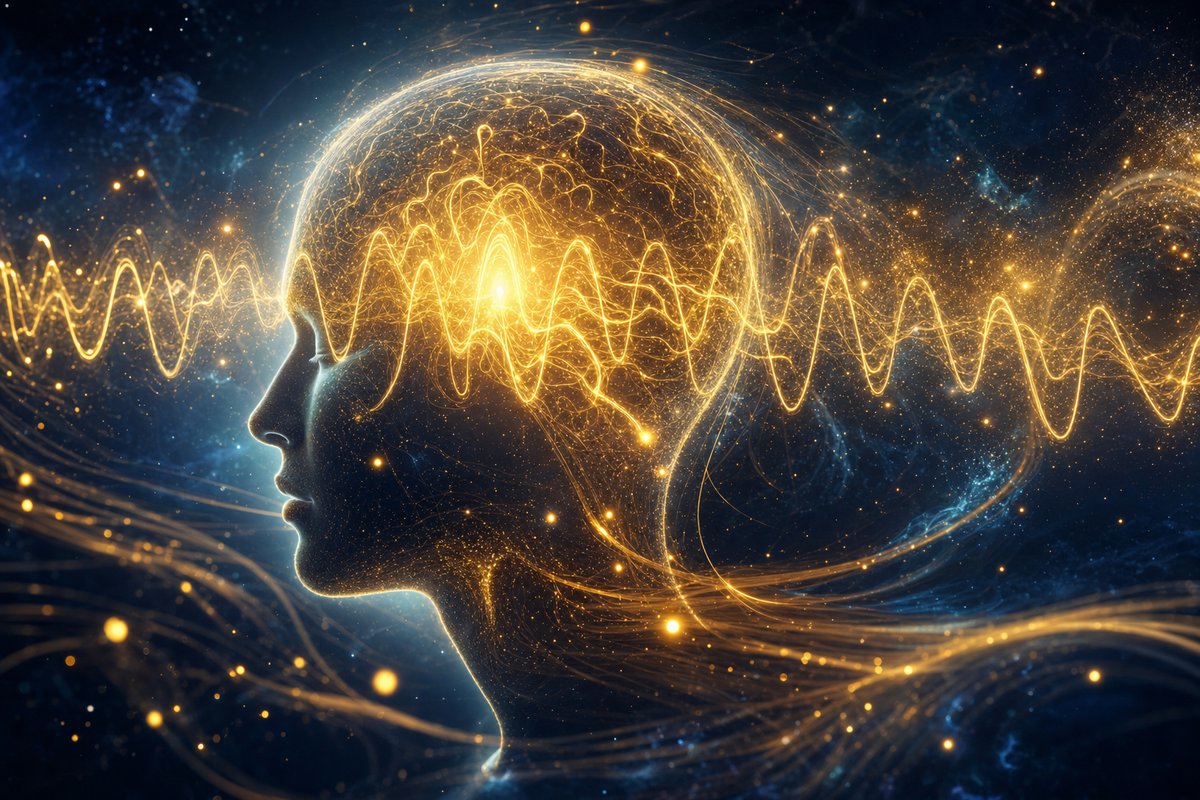


- 174 Hz is the lowest tone of the solfeggio scale — the frequency of safety, grounding and physical ease, traditionally used for tension and discomfort.
- Because it is the deepest solfeggio tone, 174 Hz is felt as much as heard: a low, steady floor under the body.
- Low frequencies are the body's frequencies — they entrain breath and release muscle guarding, which is why bodyworkers and sound therapists so often open with the lowest tones.
- Low frequencies do something the higher tones can't: they're felt.
- Hear 174 Hz instantly in our free tone generator, or listen inside full 432 Hz-tuned compositions
- Daily 10–20 minute sessions outperform occasional long ones — consistency builds the response
What Is 174 Hz — the Foundation Tone?
174 Hz is the lowest tone of the solfeggio scale — the frequency of safety, grounding and physical ease, traditionally used for tension and discomfort.



174 Hz Frequency Benefits & Uses
Because it is the deepest solfeggio tone, 174 Hz is felt as much as heard: a low, steady floor under the body. It is the traditional choice for physical tension, aches, and the kind of restlessness that lives in the muscles rather than the mind.
Low frequencies are the body's frequencies — they entrain breath and release muscle guarding, which is why bodyworkers and sound therapists so often open with the lowest tones.
The Science, Honestly
Low frequencies do something the higher tones can't: they're felt. Sound below ~200 Hz engages the body's vibrotactile sense — the basis of vibroacoustic therapy, where mats and chairs deliver low-frequency sound for pain and tension relief with promising (if early) clinical results. 174 Hz sits squarely in that felt range, which is why 'the pain tone' tradition maps onto real physiology better than most.
174 Hz and Its Neighbors
174 Hz and 285 Hz are the solfeggio scale's two body tones — 174 the deep floor (safety, physical ease), 285 the mender (traditionally tissue and renewal). Above them the scale turns emotional at 396 Hz. If you're choosing by feel: 174 when the body is loud, 285 when it's healing, 396 when the weight is mental.
The Best Moments to Use 174 Hz
During bodywork or stretching — a low floor under massage, foam rolling or yin yoga deepens the release.
After physical strain — post-workout or post-long-day, lying down with speakers so the body feels it.
Chronic-tension evenings — jaw, shoulders, lower back respond best to sound plus deliberate softening.
Hear 174 Hz Right Now
Play the pure tone free in our tone generator — set it to 174 Hz — or the full solfeggio generator. Pure tones show you the frequency; composed music lets you actually rest inside it, which is where the benefits live. Our playlist below is tuned for exactly that.
How to Use It
1. Pick one intention. 174 Hz works best attached to a single, repeated practice — the association is the active ingredient.
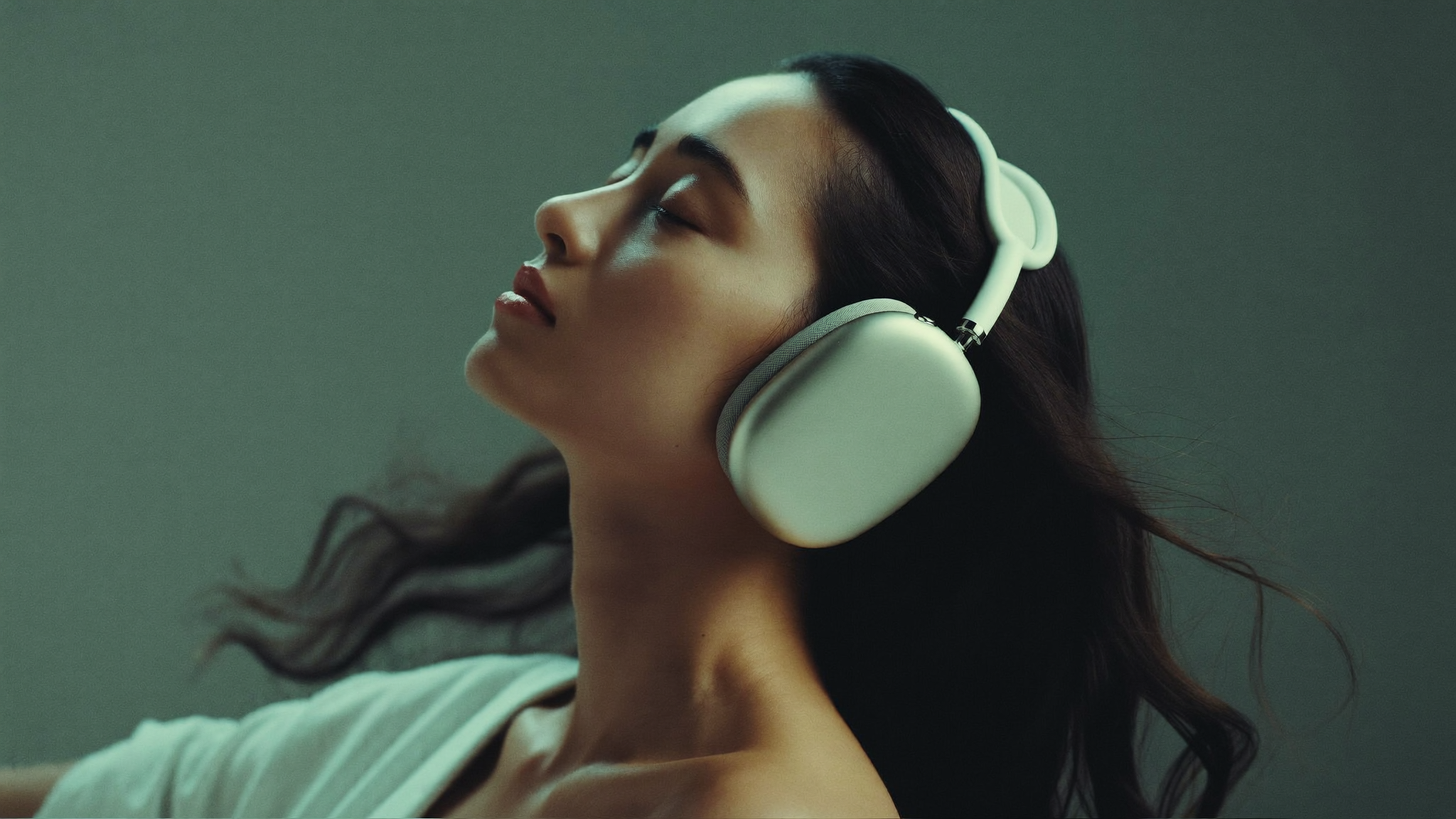
2. Keep it low and long. Volume just above a whisper, 10–20 minutes, eyes closed if you can. Headphones deepen immersion; speakers let the body feel the lower tones.
3. Repeat daily. Nervous systems learn by repetition; one consistent week beats one long Sunday.
Frequency music supports rest and wellbeing — it is not medical treatment. For ongoing health concerns, please talk to a healthcare professional.
Frequently Asked Questions
Does 174 Hz help with pain?
It supports the state in which discomfort eases: deep physical relaxation. Attention, muscle tension and mood all modulate how pain feels, and low steady sound moves all three. It complements, never replaces, medical care.
Is 174 Hz the lowest solfeggio frequency?
Yes — it is the foundation of the nine-tone scale (174, 285, 396, 417, 528, 639, 741, 852, 963 Hz). Being lowest is its identity: the tone you stand on, played through speakers so the body shares in it.
Is it better to listen to 174 Hz as a pure tone or as music?
Pure tones are for tasting the frequency; music built around it is for practice. Compositions hold attention and pace the breath, which is what produces the felt benefits. Start with the tone generator, settle into the playlist.
How long until I feel anything?
The physiological part — slower breath, lower arousal — begins within minutes of any calm, steady sound. The deeper associations build over one to two weeks of consistent daily practice.
Listen while you read
Music for Massage — Treatment-table sound that lowers pain perception. Streams free in your browser, no app, no sign-up.