

- Binaural beats require headphones — the effect occurs when two slightly different frequencies are delivered separately to each ear, and the brain perceives a third 'beat' at the difference frequency.
- Reddit's r/binauralbeats community most frequently recommends alpha beats (8–14 Hz) for relaxation and beta beats (14–30 Hz) for focus and studying.
- The Monroe Institute and its Hemi-Sync recordings are consistently cited by Reddit users as the most effective binaural beat series for deep states of consciousness.
- 40 Hz gamma binaural beats receive the highest focus-related recommendation scores in community surveys, supported by clinical research from MIT and other institutions.
- Individual response to binaural beats varies significantly — Reddit users recommend experimenting with 3–5 sessions before judging effectiveness.
Ever stumbled upon binaural beats while scrolling through Reddit? These beats are getting quite the buzz for helping folks focus and chill out. But what's the deal with them? In this article, we're diving into what Reddit users swear by when it comes to the best binaural beats for zoning in on tasks or just kicking back. Whether you're new to this or looking for fresh recommendations, we've got you covered.
Key Takeaways
- Binaural beats are popular on Reddit for boosting focus and relaxation.
- Users recommend specific frequencies for different needs, like studying or meditating.
- Listening with headphones is advised for the best experience.
- Some users combine binaural beats with meditation practices.
- There's mixed scientific support, but many find personal benefits.
Understanding Binaural Beats and Their Benefits
What Are Binaural Beats?
Binaural beats are a fascinating auditory illusion where your brain perceives a third tone when two different frequencies are played into each ear. Imagine hearing 132 Hz in one ear and 121 Hz in the other; your brain creates a sensation of a new frequency. It's like your brain is its own DJ, mixing tunes just for you!
How Do Binaural Beats Work?
Here's the deal: when you listen to these beats through headphones, your brain goes into action mode, trying to make sense of these different frequencies. This process is thought to help with focus, relaxation, and even sleep. It's like giving your brain a gentle nudge to chill out or pay attention, depending on the frequency.
The Science Behind Binaural Beats
The science part is a bit of a mixed bag. Some folks swear by the benefits, claiming it helps with everything from anxiety to creativity. Others are more skeptical, pointing out that hard evidence is still a bit shaky. But hey, if it works for you, who cares? Just remember, it's not magic, but it might just be the extra help you need to relax or concentrate.
Some people find that combining binaural beats with meditation can enhance their experience, creating a more profound state of relaxation or focus. It's all about finding what works best for you.
Popular Binaural Beats for Focus and Relaxation
Top Reddit Recommendations for Focus
When it comes to boosting focus, Reddit users have shared a variety of binaural beats that they swear by. One of the top suggestions includes using Alpha waves, which range between 8Hz and 12Hz. These frequencies are believed to help your brain ease into a focused state, making them ideal for studying or working on tasks that require concentration. Healing Music Frequencies are also frequently mentioned, as they can provide a calming backdrop that enhances focus.
User Favorites for Relaxation
For relaxation, Theta waves are often recommended by Redditors. These waves, typically ranging from 4Hz to 8Hz, are said to promote deep relaxation and even meditative states. Another popular choice is Delta waves, known for their ability to help with deep sleep and relaxation.
Combining Binaural Beats with Meditation
Combining binaural beats with meditation can be a game-changer. Many users report that integrating Alpha or Theta waves into their meditation routine helps them reach a deeper meditative state more quickly. Here's a simple way to start:
- Choose a quiet, comfortable space.
- Select a binaural beat track that suits your meditation goals.
- Use headphones for the best experience.
- Focus on your breathing and let the beats guide you.
Binaural beats can be a powerful tool for enhancing focus and relaxation. Whether you're diving into a work project or winding down after a long day, these auditory illusions might just be the key to unlocking better mental states.
The Different Types of Binaural Beats
Delta Waves for Deep Sleep
Delta waves, clocking in between 1 and 4 Hz, are your go-to for deep relaxation and sleep. Many folks swear by these for improving their sleep quality. They're often paired with calming music to create a soothing bedtime environment. If you've ever struggled to drift off, delta waves might just be your new best friend.
Theta Waves for Meditation
Theta waves, which range from 4 to 8 Hz, are often linked to meditation and mindfulness. These are the frequencies that can help you slip into a meditative state, reducing stress and promoting a sense of calm. People often use theta waves alongside meditation practices to deepen their experience.
Alpha Waves for Relaxation and Focus
Alpha waves sit in the 8 to 13 Hz range and are fantastic for both relaxation and focus. Whether you're trying to unwind after a hectic day or need to concentrate on a task, alpha waves can help. People often report feeling more clear-headed and relaxed when listening to these frequencies.
How to Use Binaural Beats Effectively
Choosing the Right Frequency
Picking the right frequency is like choosing the right tool for the job. For deep sleep, delta waves (0.5-4 Hz) are your go-to. Need to meditate? Theta waves (4-8 Hz) might just do the trick. If you're looking to chill out or focus, alpha waves (8-14 Hz) could be what you need. Always start with what aligns with your personal goals.
Best Practices for Listening
- Use headphones: This is crucial because binaural beats rely on delivering different frequencies to each ear.
- Start short: Begin with brief sessions, perhaps 10-15 minutes, and gradually increase as you get comfortable.
- Create a calm environment: Make sure you're in a quiet place where you won't be disturbed.
Common Mistakes to Avoid
- Skipping through tracks: Binaural beats need time to work, so resist the urge to skip ahead.
- Using them as a quick fix: They can enhance focus or relaxation, but aren't magic. Consistency is key.
- Ignoring discomfort: If a frequency doesn't feel right, it's okay to try another one.
Binaural beats can be a helpful tool, but they're not a substitute for professional therapy. Approach them with realistic expectations and see how they fit into your life.
Exploring the Reddit Community's Insights
Success Stories from Reddit Users
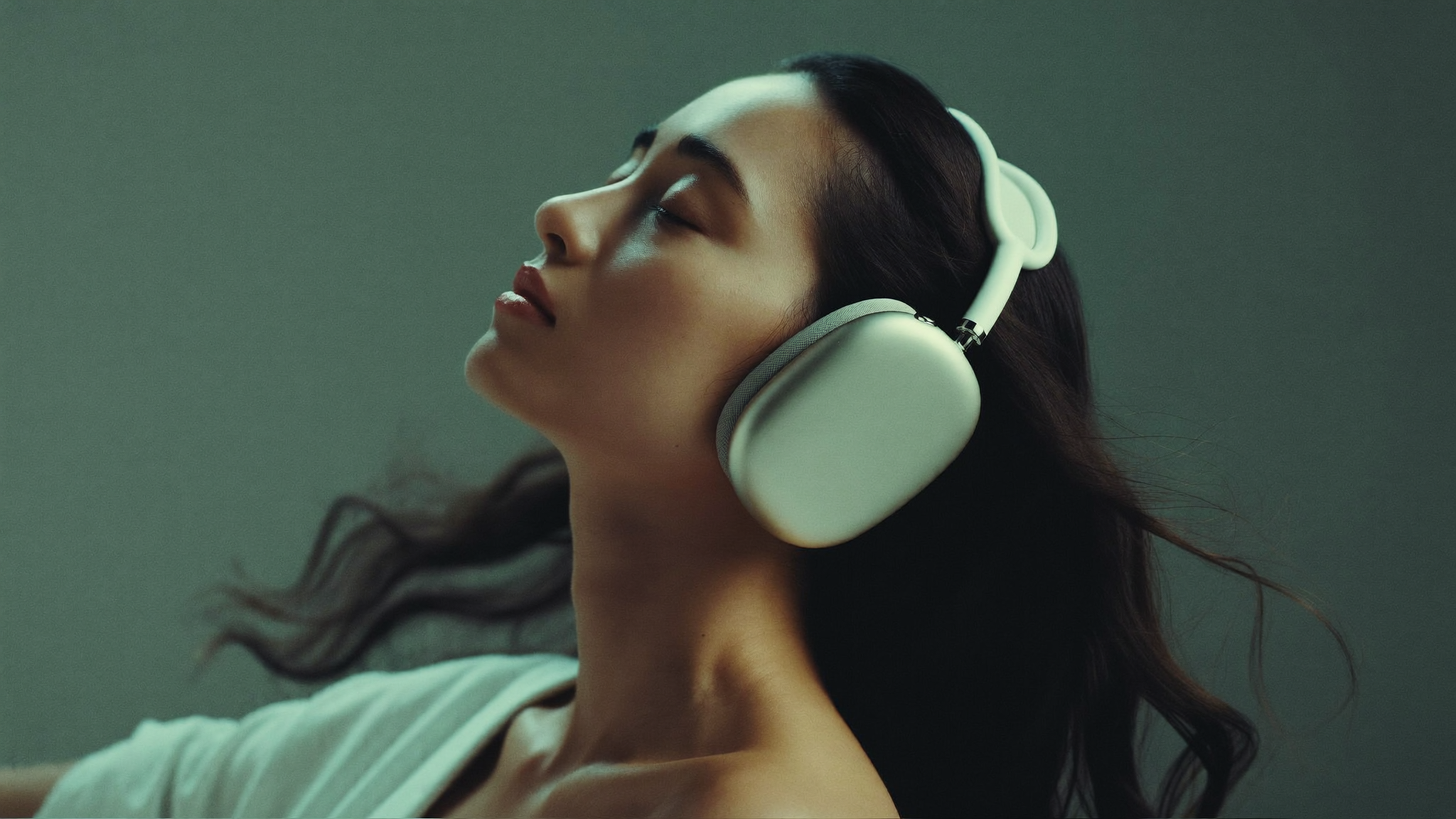
Reddit is a treasure trove of personal stories about how binaural beats have made a difference in people's lives. Users often share their experiences, highlighting how these sound waves have helped them focus better or relax after a long day. One user mentioned how listening to beats at 432 Hz helped them achieve a calmer state of mind during meditation sessions. Another user shared their success in using binaural beats to improve their concentration during study sessions, noting a significant increase in productivity.
Common Challenges and Solutions
- Experimenting with different frequencies to find what works best for you.
- Using headphones to enhance the experience and minimize distractions.
- Setting a regular schedule to make listening a habit.
Expert Opinions Shared on Reddit
Experts occasionally chime in on Reddit threads, offering insights into how binaural beats work. They often emphasize the importance of specific frequencies for enhancing meditation and focus. These discussions help demystify the science behind binaural beats and provide a deeper understanding of their potential benefits.
The Reddit community serves as a unique platform where personal experiences meet expert insights, creating a dynamic space for learning and discovery.
Scientific Perspectives on Binaural Beats
Research Supporting Binaural Beats
Some studies suggest that these auditory illusions can have positive effects on mental states, potentially aiding in relaxation and focus. Research has shown that listening to specific frequencies can help guide the brain into desired states, which might be beneficial for activities requiring high concentration or stress relief.
Criticisms and Skepticism
Despite some positive findings, there's a fair amount of skepticism surrounding the efficacy of binaural beats. Mainstream science remains largely unconvinced, pointing out that many studies lack rigorous control measures. Some experts suggest that any perceived benefits might simply be due to the placebo effect or the relaxing nature of music itself, rather than the binaural beats.
Future Directions in Binaural Beat Research
Looking ahead, researchers are keen to explore the potential of binaural beats further. There's a push for more comprehensive studies that can better control for variables and provide clearer insights into how these sounds affect the brain. As technology advances, the hope is that more precise tools will shed light on whether binaural beats genuinely offer a unique benefit.
Integrating Binaural Beats into Daily Life
Using Binaural Beats for Study Sessions
- Pick the Right Track: Look for beats tuned to alpha waves, which are often linked to enhanced focus and mental clarity.
- Set the Mood: Find a quiet place and use headphones to fully immerse yourself in the sound.
- Consistency is Key: Make it a habit to listen during study sessions to train your brain over time.
Incorporating Beats into Relaxation Routines
- Choose Soothing Frequencies: Go for delta or theta waves that are known to promote relaxation and stress relief.
- Create a Relaxing Environment: Dim the lights, get comfy, and let the sounds wash over you.
- Combine with Other Techniques: Pair the beats with deep breathing or meditation for an even more relaxing experience.
Enhancing Sleep with Binaural Beats
- Opt for Delta Waves: These are often associated with deep sleep and can help lull you into a restful slumber.
- Establish a Routine: Listen to these beats at the same time each night to signal to your brain that it's time to wind down.
- Limit Distractions: Make sure your bedroom is quiet and dark to complement the effects of the beats.
Finding ways to integrate binaural beats into daily life can be a game-changer, offering a simple yet effective method to enhance focus, relaxation, and sleep.
Wrapping Up: The Reddit Verdict on Binaural Beats
So, there you have it. Reddit users have spoken, and it seems like binaural beats are a mixed bag. Some folks swear by them for getting in the zone or chilling out, while others aren't so convinced. If you're curious, why not give it a shot? Just grab some headphones, find a track that suits your mood, and see what happens. Worst case, you get a few minutes of peace. Best case, you find a new tool to help you focus or relax.
Frequently Asked Questions
What are binaural beats?
Binaural beats are sounds that happen when you listen to two different tones in each ear. Your brain mixes them to create a new sound.
How do binaural beats help with focus?
By listening to binaural beats, your brain can get into a state that helps you focus better. It's like tuning your brain to the right channel for concentration.
Can binaural beats really help with relaxation?
Yes, many people find that binaural beats help them relax. The beats can make your brain calm down and feel more at ease.
Do I need special headphones to listen to binaural beats?
It's best to use headphones because they help create the effect of binaural beats by playing different sounds in each ear.
Are there different types of binaural beats?
Yes, there are different types like delta, theta, and alpha waves. Each type can help with things like sleep, meditation, or focus.
Is there scientific proof that binaural beats work?
Some studies suggest binaural beats can help, but not all scientists agree. More research is needed to be sure.