
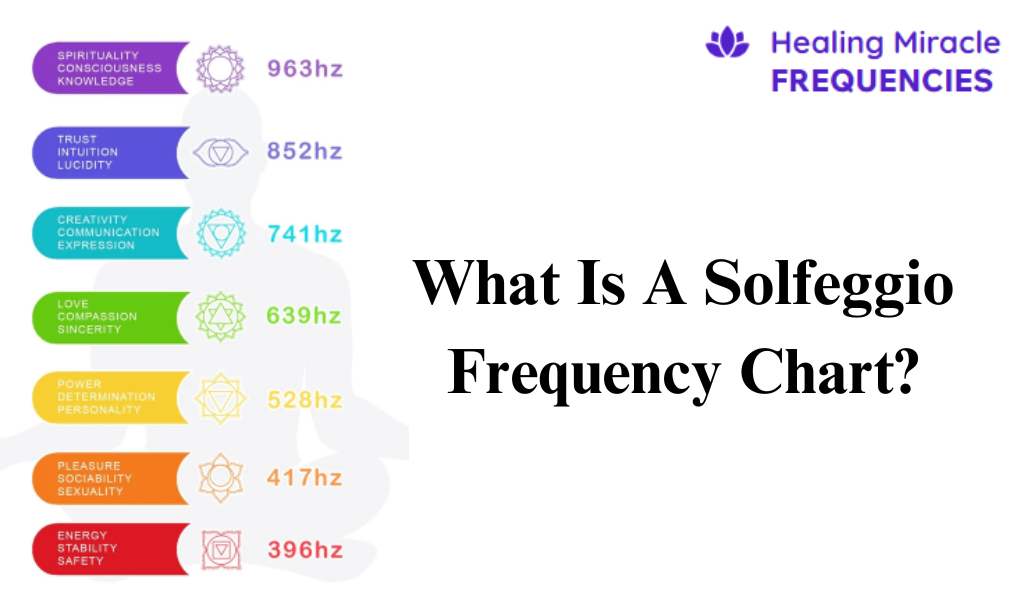
- The solfeggio frequency chart lists 9 tones (174–963 Hz) each associated with a specific healing intention, chakra, and emotional/physical benefit.
- Dr. Joseph Puleo and Dr. Leonard Horowitz are credited with bringing the solfeggio frequency chart to modern awareness in the 1990s through their book 'Healing Codes for the Biological Apocalypse.'
- 174 Hz relieves physical pain and stress; 285 Hz influences energy fields and supports tissue repair; 396 Hz liberates guilt and fear.
- The three mid-range frequencies — 417 Hz, 528 Hz, 639 Hz — address change, love/repair, and relationships respectively, corresponding to the lower three chakras above the root.
- 741 Hz supports immune function and problem-solving; 852 Hz opens intuition; 963 Hz activates the crown chakra for spiritual connection.
Solfeggio Frequencies are sound vibrations historically used to promote healing and spiritual development. These frequencies, ranging from 174 Hz to 963 Hz, are believed to elicit specific mental and physical responses when listened to.



Historical Background
In the 1970s, researchers Dr. Joseph Puleo and Dr. Leonard Horowitz gained recognition for identifying six primary solfeggio frequencies: 396 Hz, 417 Hz, 528 Hz, 639 Hz, 741 Hz, and 852 Hz. Their work referenced biblical sources and proposed that each frequency corresponded to distinct healing benefits.
Scientific Research
Dr. Glen Rein's 1988 research examined sound wave effects on human DNA. His findings showed that "Gregorian chants and Sanskrit mantras were promoting DNA repair with increased UV light absorption between 5 to 9 percent," while rock music decreased UV absorption and potentially damaged DNA.
The Nine Solfeggio Frequencies and Their Benefits
- 174 Hz — Reduces physical and emotional pain, promotes comfort
- 285 Hz — Enhances cognitive abilities, improves focus and creativity
- 396 Hz — Releases fear and guilt, promotes confidence
- 417 Hz — Dissolves negative energy, facilitates positive change
- 528 Hz — Promotes DNA health, love, and harmony
- 639 Hz — Fosters connections, promotes forgiveness
- 741 Hz — Awakens intuition and inner wisdom
- 852 Hz — Restores spiritual balance and inner peace
- 963 Hz — Connects with cosmic frequency, promotes enlightenment
Incorporating Solfeggio Frequencies into Daily Life
Meditation
Combining solfeggio frequencies with meditation amplifies relaxation benefits. Simply settle into a comfortable position, play your desired frequency, and allow the vibrations to guide you toward deep relaxation. Even just 10-15 minutes per day can produce noticeable shifts in mood and mental clarity.
Music Therapy
Musicians and healers now create compositions incorporating solfeggio frequencies, allowing listeners to experience therapeutic benefits while enjoying music. These carefully crafted pieces weave healing tones into melodic arrangements that are both pleasant to listen to and therapeutically effective.
Sound Healing
Professional sound healers use instruments like tuning forks and singing bowls calibrated to solfeggio frequencies to restore energy balance. A single session with a trained practitioner can provide deep relaxation and emotional release.

Binaural Beats vs. Solfeggio Frequencies
While both offer wellness benefits, these approaches differ significantly. Binaural beats require headphones and work through frequency differences perceived by the brain. Solfeggio frequencies can be listened to through any medium and consist of specific tones rather than brain wave associations.
Many practitioners combine both approaches for a layered therapeutic effect — using solfeggio frequencies as the tonal foundation while embedding binaural beats to guide brainwave entrainment simultaneously.
Key Facts
- Solfeggio frequencies elicit specific physical or mental responses
- These frequencies improve sleep, reduce anxiety, and lower stress levels
- Frequencies range from 174 Hz to 963 Hz
- They enhance meditation benefits and support DNA repair
- Consistent daily use (15 min, 3x per week) produces results within 4-6 weeks
Choosing the Right Frequency for You
The best solfeggio frequency to start with depends on your current goals and challenges. If you're dealing with anxiety or fear, begin with 396 Hz. If stress and negative thought patterns are your primary concern, 417 Hz or 528 Hz are excellent starting points. For those seeking deeper spiritual connection or enhanced meditation, 852 Hz or 963 Hz offer profound experiences.
You don't need to limit yourself to one frequency. Many people create rotation schedules — spending a week with each frequency to explore their unique effects before settling on favorites that resonate most deeply with their personal healing journey.
Conclusion
The solfeggio frequency chart represents a comprehensive map of sound-based healing that spans from physical pain relief at 174 Hz to cosmic spiritual connection at 963 Hz. Whether you're new to sound therapy or an experienced practitioner, these ancient tones offer a scientifically-intriguing and personally rewarding path to greater well-being. Start with a single frequency that speaks to your current needs, listen consistently, and pay attention to the subtle shifts in how you feel over time.
The Brainwave Science Behind Sound Healing
Beyond the historical and chakra associations, there is a grounded reason these tones can shift how you feel. The human brain tends to synchronise its dominant electrical rhythm with a steady external stimulus, a phenomenon called entrainment. During a busy day the brain is dominated by fast beta waves; calming tones and the music built around them can encourage a drift toward slower alpha activity (relaxed alertness), theta activity (light meditation and creativity), and ultimately the delta waves of deep sleep. This is why so many listeners reach for Solfeggio tracks specifically when they want to relax, focus, or fall asleep.
There is a parallel autonomic story. Sustained, predictable sound supports a shift from sympathetic "fight or flight" arousal toward parasympathetic "rest and digest" calm. That shift is linked to a gentle reduction in cortisol, the body's primary stress hormone, and to improved heart rate variability (HRV) — a well-established marker of a relaxed, adaptable nervous system. None of this requires the more extraordinary claims to be true; the relaxation response alone is a meaningful benefit.
How to Build a Weekly Listening Practice
The key facts above note that consistency matters more than duration, and a simple weekly structure makes that easy to sustain. Rather than listening at random, give your week a gentle shape built around your goals.
- Pick a primary frequency for the week based on your current focus — for example 528 Hz for emotional balance or 852 Hz for meditation.
- Schedule three to four short sessions of fifteen to twenty minutes, at a comfortable 50 to 60 dB.
- Anchor sessions to existing habits — morning coffee, a midday reset, or your wind-down before bed — so the practice sticks.
- Keep a one-line note after each session on mood and sleep, so you can spot patterns over the four-to-six-week window where results typically emerge.
You are not chasing a dramatic moment. You are building a quiet, repeatable cue that tells your nervous system it is safe to settle.
Setting Realistic Expectations
It is worth being honest about what the science does and does not support. The relaxation, stress-reduction, and sleep benefits of calming sound are well grounded. The more dramatic claims — instant DNA repair, guaranteed healing of specific conditions — are not. Approaching the Solfeggio chart as a complementary wellness practice, rather than a medical treatment, keeps your expectations healthy and your results genuine. Used this way, alongside good sleep, movement, and professional care when needed, the frequencies become a low-cost, low-risk addition to a broader well-being routine.
Frequently Asked Questions
What is the Solfeggio frequency chart?
It is a map of nine sound vibrations, from 174 Hz to 963 Hz, each traditionally linked to a specific mental, emotional, or spiritual benefit, used as a guide for sound-based healing.
Is there science behind Solfeggio frequencies?
The relaxation effects are well supported: calming tones encourage parasympathetic calm, may lower cortisol, and improve heart rate variability. More dramatic claims, such as instant DNA repair, are not scientifically established.
How often should I listen?
Three to four short sessions a week of fifteen to twenty minutes, at a gentle 50 to 60 dB, is a sustainable rhythm. Most people notice subtle benefits over four to six weeks.
Which frequency should I choose first?
Pick by goal: 396 Hz for fear and guilt, 417 Hz or 528 Hz for stress and negative patterns, and 852 Hz or 963 Hz for deeper meditation and spiritual connection.
Can Solfeggio frequencies replace medical treatment?
No. They are a complementary practice that supports relaxation and well-being and should be used alongside, not instead of, professional medical care.