7 Benefits of Sound Bath Therapy Backed by Science
- 1 day ago
- 11 min read
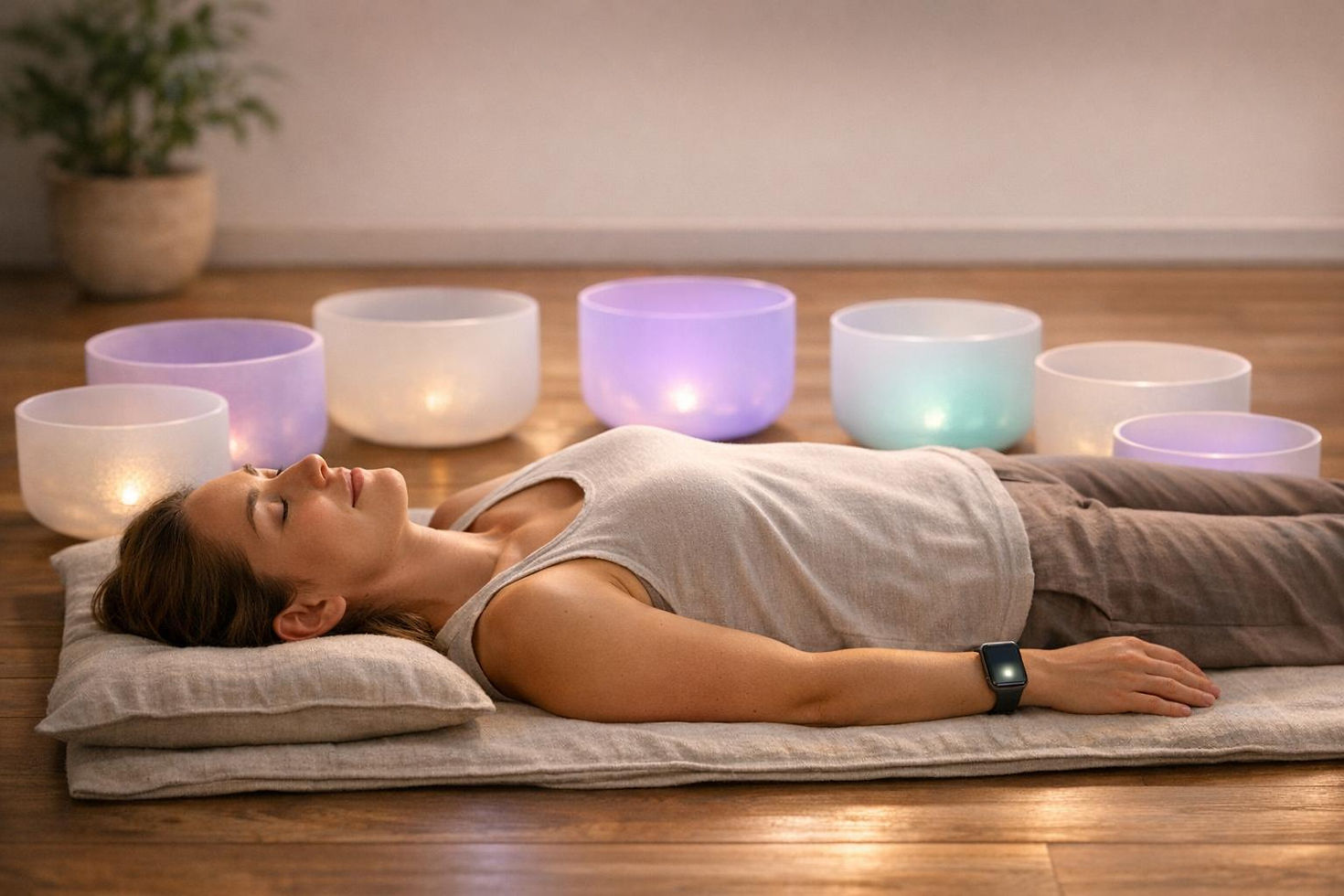
Sound bath therapy is a meditative experience using therapeutic sound waves to promote relaxation and well-being. Backed by research, here are seven key benefits:
Stress and Anxiety Relief: Sound vibrations activate the "rest-and-digest" mode, reducing cortisol levels and calming the mind.
Improved Mood: Studies show a single session can uplift emotions and reduce negative feelings.
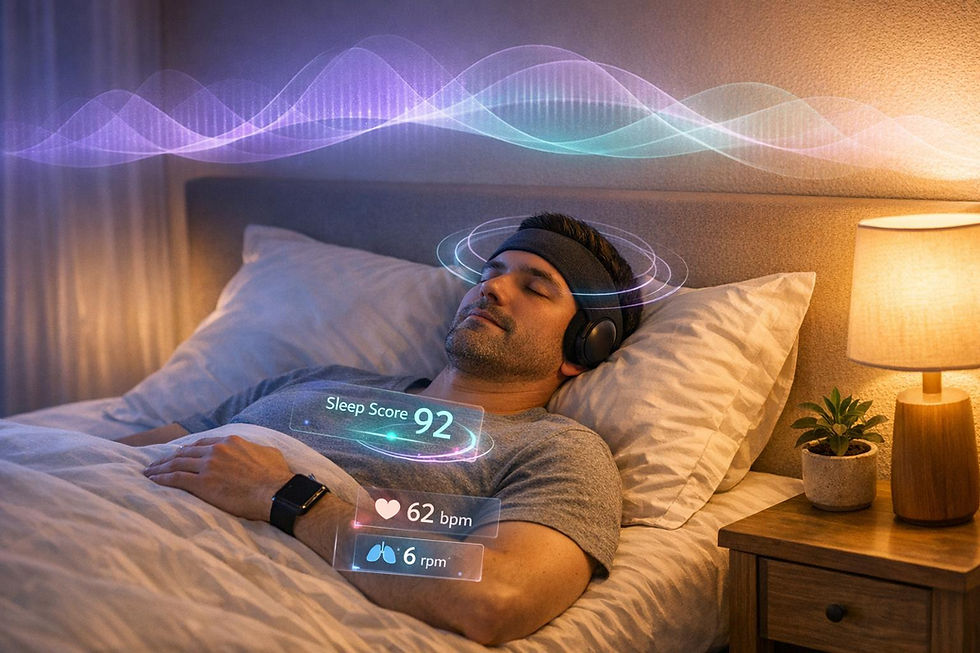
Better Sleep: Slower brainwaves induced by sound baths help with deeper, restorative sleep.
Pain Relief: Vibrations can ease physical pain by relaxing muscles and improving circulation.
Enhanced Focus: Shifting brain activity supports clearer thinking and mental clarity.
Stress Resilience: Regular sessions improve heart rate variability, helping the body recover from stress.
Spiritual Connection: The practice encourages introspection and a sense of inner calm.
Whether through in-person sessions or digital soundscapes, incorporating sound baths into your routine can support both mental and physical health. Always consult a doctor if you have specific health conditions before trying sound therapy.
The Science Behind Sound Therapy
Understanding the benefits of relaxation music provides a foundation for how these auditory vibrations impact the human nervous system.
sbb-itb-894b1e4
1. Reduced Stress and Anxiety
One of the most widely recognized benefits of sound bath therapy is its ability to ease stress and anxiety. In a 2016 observational study involving 62 adults, participants experienced a noticeable drop in feelings of tension, anger, fatigue, and depression after just one session of singing bowl meditation. This shows that even a single session can have a powerful calming effect.
The way it works is fascinating. Sound vibrations activate the parasympathetic nervous system - your body's "rest-and-digest" mode. This helps lower your heart rate, relax muscles, reduce cortisol levels, and shift your brainwaves from the fast-paced Beta state to the slower, more calming Alpha or Theta states.
By focusing on a single sound, your mind gets a break from racing thoughts, creating a mental "reset." Even short sessions can provide this benefit.
The real magic, however, lies in regular practice. It’s not about how long you listen but how often. Whether you attend group sessions or simply listen at home, consistency helps deepen relaxation over time. If you're curious but hesitant, starting with a short recording can be a gentle way to explore sound bath therapy. Platforms like Spotify, Apple Music, and YouTube offer free therapeutic soundscapes from Healing Miracle Frequencies - perfect for beginners looking to dip their toes in without committing to a full hour-long session.
2. Improved Mood and Emotional Balance
Sound baths are known to uplift mood and promote emotional balance. Research backs this up: a 2020 study involving 105 participants revealed that just one 40-minute sound bath significantly reduced negative emotions while boosting positive ones across all subjects. This consistent result highlights sound therapy's ability to support emotional well-being.
The science comes down to how our brains process sound. When exposed to rhythmic tones, the brain synchronizes with the acoustic patterns - a process called acoustic resonance. This syncing can influence emotions, aligning them with the tone of the sounds. Additionally, sound baths lower activity in the beta-2 and gamma brainwave bands, nudging the mind into a calmer, meditative state. Researcher Nike Walter from the University Hospital Regensburg explains:
"The neurophysiological effects of a singing bowl sound massage may be interpreted as a shift towards a more mindful, meditative state of consciousness."
The emotional effects can be profound. A 2022 study on singing bowl massages found that 97.1% of participants felt more balanced, 88.2% felt more connected, and 79.4% reported feeling happier. These results suggest that sound therapy could be a powerful tool for managing mood.
To make the most of a sound bath, start by setting a clear intention, like “I want to feel less overwhelmed today.” Your personal preferences matter, too - choose instruments or soundscapes that resonate with you, such as crystal bowls, gongs, or chimes. Platforms like Spotify and Apple Music offer therapeutic soundscapes from Healing Miracle Frequencies, providing an easy way to create a mood-focused practice tailored to your needs.
3. Better Sleep and Pre-Bed Relaxation
Struggling to calm your mind before bed? Sound bath therapy might be just what you need. A systematic review published in 2025 found that singing bowl therapy can enhance both sleep quality and cognitive function across various patient groups. The magic lies in how sound baths guide brain activity from Beta waves - associated with alertness - to slower Alpha, Theta, and Delta states, which are essential for deep, restorative sleep. These shifts not only improve sleep but also help relax the body, setting the stage for a peaceful night.
Sound baths also work wonders for silencing those racing thoughts that often disrupt sleep. The focused auditory experience, particularly the use of lower tones, encourages relaxation. Jeff Howard, Founder of the Vibrational Sound Association, explains:
"Lower tones promote relaxation, and higher tones encourage alertness."
This auditory focus helps ease the transition into a calming bedtime routine.
Karen Bond, a Physician Assistant at Cleveland Clinic, elaborates on the importance of relaxation before sleep:
"The idea is for your body to be in a relaxed state where there isn't any physical tension, or effort."
Instruments like Tibetan singing bowls, gongs, and crystal bowls create sustained vibrations that help the brain reach deeper Delta states. To incorporate this into your evening, try a simple pre-bed routine: lie down in a comfortable position, perhaps with a pillow for support, wear loose clothing, and dim the lights. Even a quick 10-minute session can significantly relax your body and mind.
For an easy way to unwind, check out sleep-focused soundscapes from Healing Miracle Frequencies on Spotify or Apple Music. Their multi-layered recordings are tailored to help ease your mind into rest, making it a convenient addition to your nightly routine.
4. Pain Relief and Physical Relaxation
Sound baths don’t just ease the mind - they can also provide real physical relief. A 2016 study involving 62 adults revealed that participants experienced noticeably less physical pain after just one Tibetan singing bowl meditation session compared to before it. This relief is linked to how sound vibrations interact with the body. Low-frequency vibrations penetrate the skin and tissues, influencing muscles, circulation, and nerves.
These healing frequencies also activate the parasympathetic nervous system, which slows the heart rate, relaxes muscles, and lowers cortisol levels. While these effects are immediate, they can contribute to longer-term pain management.
For those dealing with chronic pain, the findings are encouraging. In one 12-week study, fibromyalgia patients saw immediate improvements in pain levels, sensitivity, and motor function after whole-body vibration therapy. Another study focusing on seated therapeutic vibration for individuals with moderate-to-severe pain in the legs, feet, and lower back reported significant pain relief lasting for hours afterward. These physical benefits complement the mental relaxation achieved through sound therapy.
It’s important to view sound baths as a complementary approach rather than a substitute for medical treatments. As Karen Bond, PA-C, from Cleveland Clinic points out:
"It's useful to remember that there are complementary therapies available, like a sound bath, meditation, yoga and tai chi."
To maximize relaxation, consider pairing sound baths with yoga or physical therapy after exercise. Simple adjustments, like wearing loose clothing, using a bolster or pillow under your knees, and staying hydrated, can help your body better absorb the vibrations.
5. Better Focus, Clarity, and Mental Performance
Sound baths are known to improve focus by influencing brainwave activity. They help shift the brain from active Beta waves to calmer Alpha and Theta states, which are associated with clearer and more creative thinking. As WebMD points out:
"Some researchers think sound can create a more organized brainwave pattern that helps you feel mentally clear and physically relaxed."
Binaural beats - produced when slightly different frequencies are played in each ear - are particularly effective for enhancing memory and attention. Studies reveal that listening for just 10 minutes a day over the course of a month can significantly improve both motor skills and cognitive processing speed.
Additionally, sound baths interrupt the brain's tendency to predict each note, offering a "mental reset" that can help quiet racing thoughts. This is especially useful for individuals who find traditional meditation difficult. Diana Parra Perez, a mindfulness researcher at Washington University in St. Louis, explains:
"Eventually, the mind will just give up, and that's when you fall into a receptive, relaxation state."
The mental clarity gained from sound baths complements their relaxing and emotionally balancing effects.
When it comes to cognitive benefits, consistency is key. Even a brief daily practice, such as 10 minutes, can be more effective for improving focus over time than occasional longer sessions. Platforms like Healing Miracle Frequencies offer layered soundscapes designed around therapeutic frequencies, making it convenient to integrate a focused listening session into your routine. To maximize the experience, try setting a clear intention beforehand - focus on one specific area where you want clarity or insight. This can serve as a gentle anchor for your mind during the session.
6. Stronger Stress Resilience and Nervous System Regulation
Sound baths do more than just help you unwind in the moment - they can actually train your nervous system to handle stress better over time. By regularly activating the parasympathetic nervous system, they encourage slower heart rates, lower blood pressure, and reduced cortisol levels. This consistent practice builds resilience, helping your body recover more effectively from stress and creating lasting benefits.
One key indicator of this long-term impact is heart rate variability (HRV), which measures how quickly your body bounces back after facing stress. A higher HRV reflects a more adaptable and resilient nervous system. For example, a 2018 randomized controlled study highlighted that patients awaiting surgery who listened to Tibetan singing bowl music experienced improved HRV and reduced anxiety compared to those who didn’t.
Here’s a closer look at what’s happening in your body during a sound bath, and why it matters for your overall well-being:
Physiological Marker | Effects of Sound Baths | Why It Matters |
Heart Rate | Decreases | Eases physical tension |
Cortisol | Lowers | Reduces stress hormone levels |
Heart Rate Variability (HRV) | Improves | Enhances recovery from stress |
Blood Pressure | Lowers | Eases strain on the cardiovascular system |
Brain Waves | Shifts Beta → Alpha/Theta | Promotes calm and mental clarity |
Tamara Goldsby, PhD, a Research Psychologist at the University of California San Diego, explains:
"A sound bath is an easy, noninvasive, low-tech, and relatively inexpensive technique to induce the relaxation response."
Consistency is key. A 2025 review of 34 studies confirmed that regular sound therapy - not just occasional sessions - leads to sustained reductions in cortisol and blood pressure. To see real results, aim for weekly or biweekly sound baths. Between live sessions, even 10 minutes a day of listening to therapeutic soundscapes - like those available on Healing Miracle Frequencies via Spotify or Apple Music - can help maintain balance. After each session, allow yourself 30–60 minutes of quiet time before diving back into demanding activities. This helps your body fully absorb the benefits.
7. Spiritual Well-Being and Inner Connection
Sound baths carry a rich history rooted in spiritual practices. Tibetan singing bowls, for instance, were originally used by monks during spiritual ceremonies and have become a cornerstone of modern sound healing. These ancient traditions now intersect with science, as the unpredictable nature of sound patterns for the brain helps quiet the mind's constant analysis, creating space for deeper introspection.
During a sound bath, the unpredictable tones encourage the mind to let go of its usual thought loops, fostering a state of openness. This unique mental shift supports spiritual well-being by allowing the mind to transcend its usual boundaries and explore a more profound sense of connection.
Scientific research backs this up. A 2016 study led by Tamara L. Goldsby, PhD, at the University of California San Diego, observed 62 participants during a single 60-minute session involving 30 to 80 Tibetan singing bowls. The results showed a noticeable improvement in spiritual well-being, with the "Spirituality" subscale score rising from an average of 2.85 before the session to 3.64 afterward (P < .001), reflecting a large effect size of 0.49.
Sound baths also serve as a way to reconnect with yourself, peeling back the layers of daily distractions. As Tamara Goldsby, PhD, explains:
"Sound baths are one way of slowing down to get in touch with ourselves, our bodies, and our emotions."
How to Add Sound Baths to Your Daily Routine
Incorporating sound baths into your daily life can help you fully enjoy their calming and restorative effects.
For an immersive experience, you can attend in-person sessions, which typically cost between $15 and $65. If that's not an option, digital recordings are a convenient and effective alternative, bringing the benefits right to your home.
To set up an at-home sound bath, find a quiet, dimly lit space. Add a blanket, pillow, and eye mask for comfort, and use high-quality headphones to enhance the experience. You can also discover the best frequencies to use for your specific goals. Wearing loose, comfortable clothing can also help you relax and stay focused.
Consistency is key to maintaining the benefits, such as reduced stress and improved focus. Try incorporating healing tones into your daily schedule with Healing Miracle Frequencies, which offers multi-layered soundscapes. These are available for free on Spotify and Apple Music, with extended versions on YouTube. Research suggests that just 10 minutes a day for a month can lead to noticeable improvements in motor and cognitive speed.
Diana Parra Perez, a mindfulness researcher at Washington University in St. Louis, explains the process beautifully:
"Eventually, the mind will just give up, and that's when you fall into a receptive, relaxation state."
Important Note: If you have cardiac arrhythmia, epilepsy, implanted devices, serious psychiatric conditions, are pregnant, or are sensitive to loud sounds or have PTSD, consult your doctor before trying sound baths. Remember, sound baths are meant to complement - not replace - medical care.
Conclusion
Sound bath therapy offers a variety of benefits, from easing stress to enhancing focus and overall well-being. Research supporting these seven advantages continues to grow, adding credibility to the science behind music's impact on healing.
One of the standout features of sound baths is how easy they are to access and incorporate into daily routines. This growing scientific support highlights why so many people find them appealing and practical.
It's important to remember that sound baths work best as a complementary treatment. As Karen Bond, PA-C at Cleveland Clinic, explains:
"A sound bath shouldn't be considered a replacement for any medical treatments you're having. Instead, it's better seen as a complementary or supplementary treatment."
Whether you join an in-person session or explore therapeutic soundscapes like those available through Healing Miracle Frequencies, the key is to take that first step. Start with a simple daily session and allow the benefits to unfold gradually over time.
FAQs
How often should I do sound baths to see results?
There's no strict guideline for how often you should experience sound baths - it all comes down to your personal preferences and what you're hoping to achieve. Much like meditation, sound baths can have a positive impact no matter how frequently you practice. Whether you're looking to unwind or lift your spirits, Healing Miracle Frequencies provides therapeutic playlists that you can incorporate into your daily life or turn to whenever you need a moment of calm and balance.
Are sound baths safe if I have a health condition?
Sound baths are considered safe for most people, but it’s wise to check with your doctor if you have any health concerns. Extra care is recommended if you have conditions like epilepsy, seizure disorders, psychiatric challenges, cardiac arrhythmia, or implanted medical devices. For those sensitive to sound, communicate this to your practitioner so they can tailor the session to your needs. Keep in mind, sound therapy is meant to complement medical treatment, not replace it.
Do I need headphones or can I use a speaker?
When it comes to sound experiences, it’s all about what works best for you. In-person sessions can be incredibly powerful, allowing you to physically feel the vibrations. However, if you’re using digital recordings, opting for high-quality speakers often provides a richer, more immersive experience than headphones. Regardless of your choice, make sure the sound is clear and soothing. Harsh transitions or overly loud volumes can easily disrupt your meditative flow.


Comments