

- The solfeggio scale traces to 11th-century monk Guido d'Arezzo, who taught music using the syllables ut, re, mi, fa, sol, la.
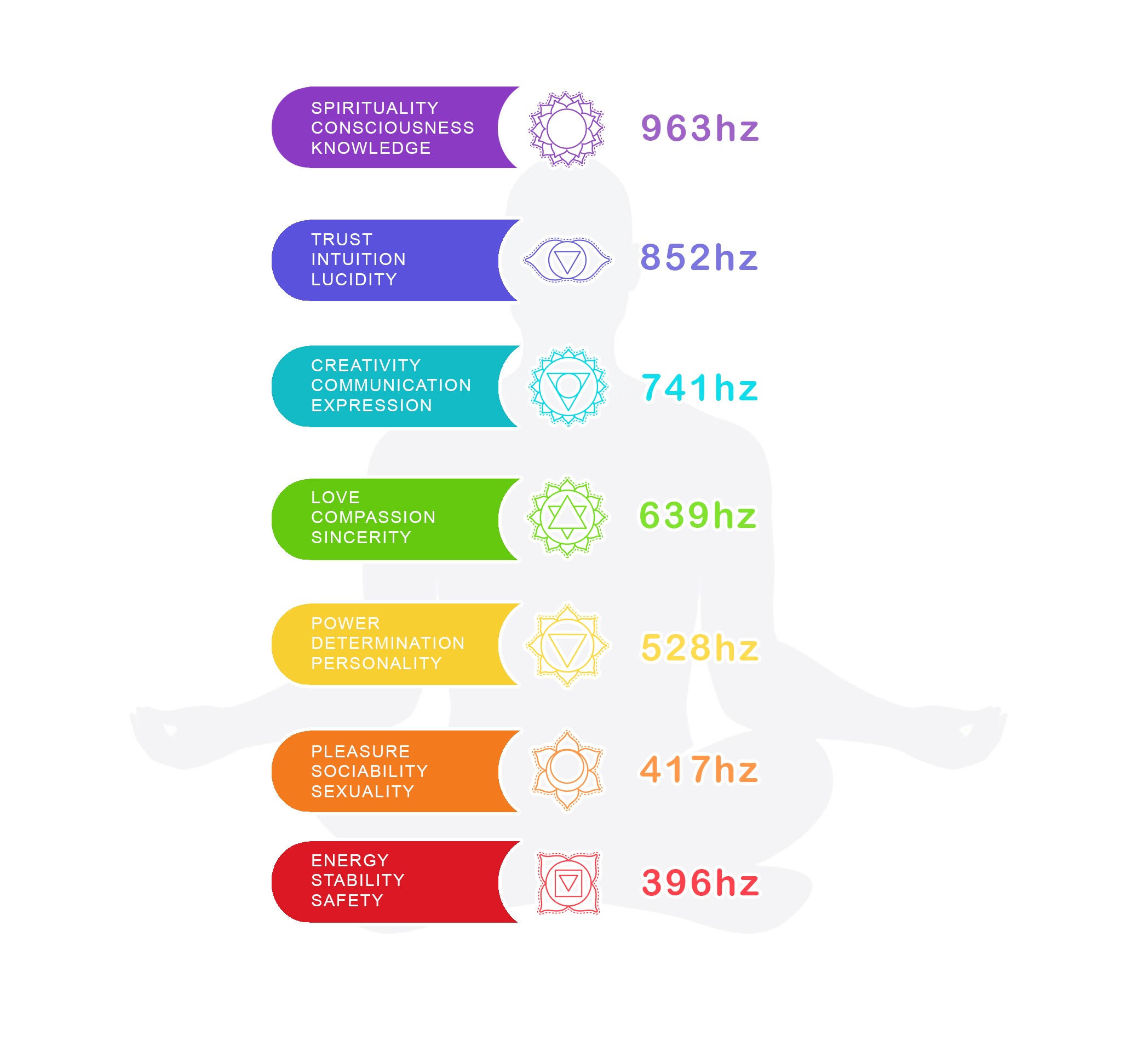
- The scale features six primary frequencies, from 396 Hz (liberating guilt and fear) to 852 Hz (returning to spiritual order).
- 528 Hz, the "Love Frequency," is linked to transformation and DNA healing in alternative-medicine research.
- Some practitioners extend the set to 963 Hz, often called the "Frequency of the Divine."
- Solfeggio frequencies can be experienced through tuning forks, crystal bowls, recordings, or as background sound during yoga and meditation.
Solfeggio frequencies have captivated people for centuries, particularly those intrigued by music's healing capabilities. With their special properties, these frequencies are said to promote both spiritual and physical healing. But what are solfeggio frequencies, and how did they originate? This blog post explores their essence, history, and practical applications.



Understanding Solfeggio Frequencies
At its heart, solfeggio frequencies are specific musical tones that resonate with the mind and body. These frequencies create harmonious vibrations that can foster healing and wellness.
Historically, the solfeggio system goes back to ancient times, particularly within Gregorian chants, where certain tones were used for their uplifting qualities. People believe these frequencies guide individuals towards enlightenment and inner peace.
The frequencies have unique numerical patterns that contribute to their perceived benefits. For instance, the frequency 528 Hz, known as the "Love Frequency," is not just associated with love but also linked to transformation and DNA healing. A study published in the "Journal of Alternative and Complementary Medicine" found that sounds at this frequency could enhance overall well-being, potentially aiding in cellular regeneration.
The Historical Roots
Tracing the origins of solfeggio frequencies leads us to historical figures such as the Italian Benedictine monk Guido d'Arezzo. In the 11th century, he developed a method of teaching music using the syllables ut, re, mi, fa, sol, la. Each note took on specific spiritual meanings, giving rise to what we now know as the solfeggio scale.
Records from ancient civilizations like the Egyptians and Greeks reveal their use of sound for healing. Many cultures have long recognized the power of sound to alleviate physical and emotional ailments. For example, the Greeks used music therapy in their healthcare practices, believing it could treat both mental and physical issues.
In modern times, enthusiasts refer to ancient texts and artwork that suggest a profound understanding of these frequencies. This historical significance has fueled renewed interest in the exploration of solfeggio frequencies today.
The Frequencies and Their Meanings
The solfeggio scale features six primary frequencies, each with distinct meanings and benefits:
- 396 Hz – Liberating Guilt and Fear: This frequency helps release negative emotions like guilt and fear, allowing individuals to embrace their authentic selves.
- 417 Hz – Facilitating Change: Known for encouraging transformation, this frequency supports personal growth and healing from past traumas.
- 528 Hz – The Love Frequency: Celebrated for its healing properties, this frequency is believed to aid DNA repair and foster love, harmony, and miracles.
- 639 Hz – Connecting and Relationships: This frequency promotes communication and understanding, enriching connections with others.
- 741 Hz – Awakening Intuition: This frequency encourages self-expression and creative problem-solving, revealing hidden truths within oneself.
- 852 Hz – Returning to Spiritual Order: This frequency enhances spiritual awakening and intuition, helping to restore balance.
Some practitioners also recognize frequencies up to 963 Hz, often referred to as the "Frequency of the Divine." Each of these frequencies resonates with specific benefits, making them compelling for those drawn to healing through music.

How Are Solfeggio Frequencies Used?
Incorporating solfeggio frequencies into daily life is simple and accessible. Many people find value in sound healing sessions, where practitioners use tuning forks, crystal bowls, or recordings of these frequencies. Research in the "International Journal of Yoga" indicates that participants in sound healing sessions experience deep relaxation and increased awareness.
Listening to music that includes solfeggio frequencies is another effective method for harnessing their power. Artists often create tracks designed to promote healing and meditation, with some studies indicating that listening to music with 528 Hz can lead to significant reductions in anxiety levels.
Additionally, solfeggio frequencies can enhance yoga or meditation practices. By playing specific frequencies in the background, practitioners aim to create a peaceful atmosphere that fosters mindfulness, resulting in deeper contemplation and relaxation.
Modern Interpretations and Scientific Research
The interest in solfeggio frequencies has increased dramatically, leading to numerous studies and testimonials supporting their effectiveness. Many sound therapy practitioners incorporate these frequencies into their therapeutic sessions, noting improvements in client experiences.
Research suggests that specific frequencies can influence brainwave patterns, helping shift individuals into altered states of consciousness. Anecdotal evidence supports this, with many people reporting notable positive outcomes from including solfeggio frequencies in their wellness practices.
While these claims are compelling, it's crucial to maintain a balanced perspective. Although many individuals have shared uplifting experiences, ongoing scientific exploration is essential for understanding the nuanced relationship between sound and healing.
The Journey of Healing Through Sound
Solfeggio frequencies hold a significant place in human history and spiritual practice. Emerging from ancient traditions and evolving through modern times, these frequencies offer a pathway for healing and personal growth.
Whether you are a dedicated practitioner or new to the healing power of music, understanding solfeggio frequencies could unlock a deeper connection with yourself and the universe. Embracing these mystical tones may enhance not only your music playlist but also your overall life experience.
Incorporating these ancient frequencies into your daily routine may help yield a harmonious balance within yourself that resonates with the world around you. Consider taking a moment today to explore the sounds of solfeggio frequencies. Your personal journey toward well-being and spiritual awakening might begin with just one note.
How the Solfeggio Tones Are Said to Work in the Body
The proposed mechanism behind the Solfeggio frequencies rests on two familiar ideas: resonance and entrainment. Resonance describes how a vibrating source can set a nearby structure vibrating at the same rate, the way a struck tuning fork awakens a silent one across the room. Entrainment describes the brain's tendency to synchronize its dominant rhythm toward a steady external pulse. While the specific claims attached to tones like 528 Hz remain outside mainstream clinical consensus, the underlying physics of resonance and the documented phenomenon of auditory entrainment are real and well studied.
From Sound to a Settled Nervous System
What listeners consistently describe is a shift toward calm, and this is easier to explain. Slow, pure, harmonically simple tones give the auditory system little to analyze, which lowers cognitive load. As attention relaxes, the parasympathetic branch of the nervous system gains the upper hand, heart rate eases, and breathing tends to slow. Whether the effect comes from the precise frequency or from the meditative quality of sustained pure tones, the felt result is a quieter mind.
Where the Solfeggio Frequencies Came From
The modern Solfeggio set was popularized in the late twentieth century, drawing inspiration from older sacred musical traditions and a numerical pattern within the tones. It is worth holding the history honestly: the frequencies are a contemporary framework rather than an unbroken ancient lineage, and you do not need to accept every claim to benefit from mindful listening. If you are curious about how long to spend with these tones, see our guide on how long you should listen to solfeggio frequencies. Approach the practice with open curiosity and pay attention to your own response, which is the measure that matters most.
Frequently Asked Questions
What are solfeggio frequencies?
Solfeggio frequencies are specific musical tones believed to resonate with the mind and body and to foster healing and wellness. They trace back to ancient traditions, including Gregorian chants, and are associated with spiritual and physical balance.
Where do solfeggio frequencies come from?
The solfeggio scale is linked to the 11th-century Italian Benedictine monk Guido d'Arezzo, who developed a method of teaching music using the syllables ut, re, mi, fa, sol, la. Each note took on specific spiritual meanings, giving rise to what we now know as the solfeggio scale.
What are the main solfeggio frequencies and their meanings?
The six primary tones are 396 Hz (liberating guilt and fear), 417 Hz (facilitating change), 528 Hz (the Love Frequency, linked to DNA repair), 639 Hz (connection and relationships), 741 Hz (awakening intuition), and 852 Hz (returning to spiritual order). Some practitioners also recognize 963 Hz, the "Frequency of the Divine."
What is 528 Hz known for?
528 Hz is known as the "Love Frequency" and is associated with transformation and DNA healing. A study published in the Journal of Alternative and Complementary Medicine found that sounds at this frequency could enhance overall well-being, potentially aiding cellular regeneration.
How can I use solfeggio frequencies?
You can experience them through sound healing sessions using tuning forks or crystal bowls, by listening to recordings and music tuned to these frequencies, or by playing them in the background during yoga and meditation to support relaxation and mindfulness.