
963 Hz and 528 Hz: Best Frequencies for Deep Relaxation
- 16 hours ago
- 8 min read
Looking for better relaxation? Two popular sound frequencies, 963 Hz and 528 Hz, offer unique ways to calm your mind and body. Here's what you need to know:
528 Hz: Known as the "Miracle Frequency", it helps reduce stress, supports emotional healing, and promotes physical relaxation. It’s linked to lowering cortisol (stress hormone) and boosting oxytocin (the "love hormone").
963 Hz: Called the "Frequency of Gods", it’s tied to spiritual clarity and mental stillness. Ideal for deep meditation and clearing mental clutter.
Quick Overview:
528 Hz: Grounding, warm, and perfect for stress relief or unwinding after a long day.
963 Hz: High-pitched, ethereal, and best for meditative practices or mental clarity.
Key takeaway: Use 528 Hz for emotional and physical relaxation, and 963 Hz for mental clarity and spiritual focus. Tailor your choice to your current needs for a balanced relaxation experience.
528Hz & 963Hz ❯ POSITIVE ENERGY CLEANSE ❯ Healing Miracle Tones ❯ LET GO Of Overthinking
sbb-itb-894b1e4
963 Hz: The Frequency of Cosmic Connection
Let’s dive into how 963 Hz, a powerful sound therapy frequency, uniquely supports relaxation and mental clarity.
What 963 Hz Is Associated With
Known as the "Frequency of the Gods", 963 Hz sits at the top of the Solfeggio scale. It’s closely tied to the crown chakra (Sahasrara), which is associated with spiritual insight and a sense of connection to the universe.
This frequency is often used to promote feelings of oneness and transcendence, helping individuals rise above the chaos of daily thoughts and emotions. It’s less about working through feelings and more about achieving a state of mental clarity and spiritual alignment.
"The 963 Hz frequency, often referred to as 'The Frequency of the Gods,' is celebrated for its connection to spiritual clarity and heightened awareness." - Energy Muse
How 963 Hz Supports Relaxation
The sound of 963 Hz is high-pitched and crystalline, creating a sense of mental openness. Listening to it can feel like stepping into a quiet, clear morning, where the mind feels expansive and free.
This frequency helps reduce mental noise and sharpen focus, partly through brainwave entrainment. When paired with binaural beats, 963 Hz acts as a carrier frequency, encouraging the brain to shift into theta (4–8 Hz) or alpha (8–12 Hz) states. These brainwave states are linked to deep relaxation and meditative focus.
"963 Hz leans toward spacious, contemplative stillness." - SolfeggioFrequencies.net
While some of the spiritual interpretations of 963 Hz are debated, its calming effects are widely acknowledged. As Marcus Hale, a former clinical neuroscientist, explains: "963 Hz gets called the 'frequency of the gods' in spiritual circles... the carrier frequency is the vehicle. The binaural beat is the driver."
The science behind its soothing effects makes it clear when this frequency can be most useful.
When to Use 963 Hz
The best results with 963 Hz come in quiet environments where you can focus inward. Here are some ideal scenarios:
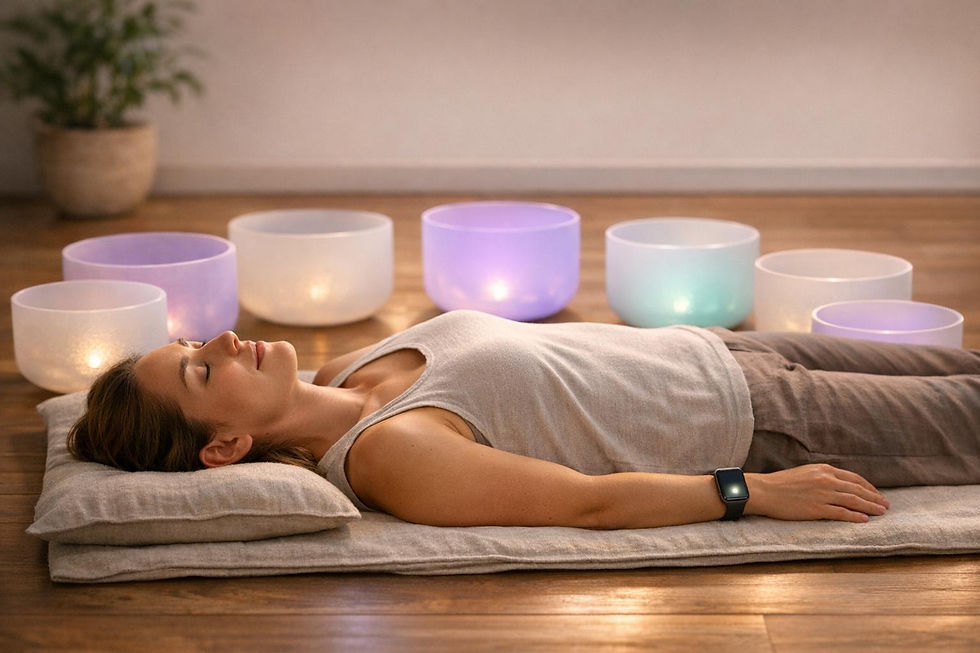
Deep meditation: Use 963 Hz for 10 to 20 minutes in a calm, dark space to enhance your meditative practice.
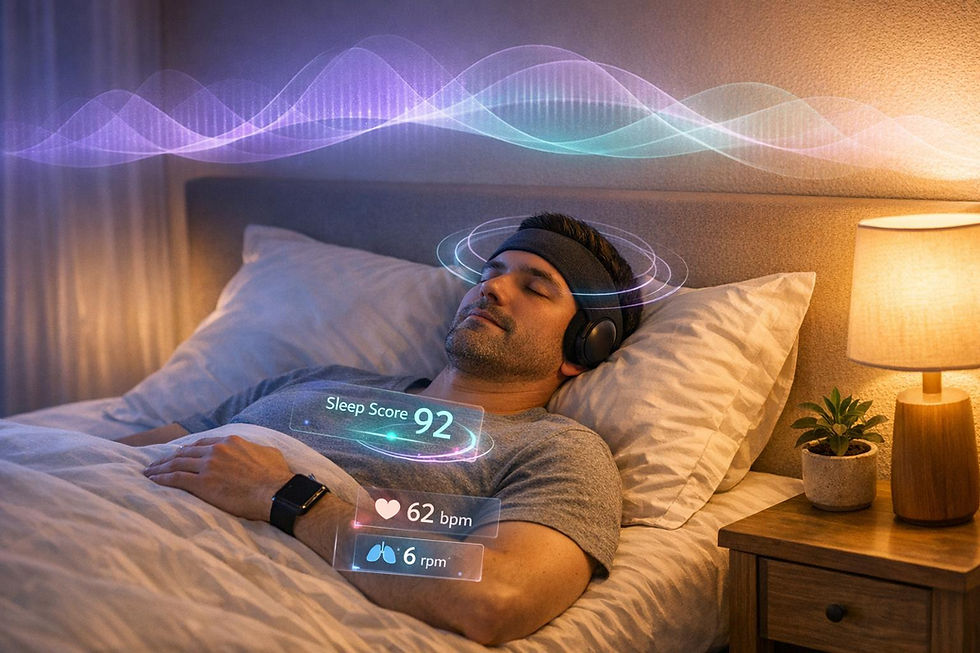
Pre-sleep routine: Play it softly for 20 to 40 minutes before bed to ease into relaxation and improve sleep quality.
Focused work: Play it quietly in the background during tasks that require deep concentration or strategic thinking.
To maximize its effects, keep the volume low to prevent harshness. If you’re using binaural beats, stereo headphones are recommended, as they preserve the distinct signals needed for brainwave entrainment. Speakers, on the other hand, tend to blend the signals and reduce the impact.
Next, we’ll compare the benefits of 963 Hz with those of 528 Hz to help you decide which frequency aligns best with your needs.
528 Hz: The Frequency of Transformation
While 963 Hz connects you to a sense of expansive stillness, 528 Hz works on a more personal level - offering grounding and restorative effects. Let’s dive into how this frequency promotes heart-centered relaxation and transformation.
What 528 Hz Is Associated With
Unlike the cosmic clarity of 963 Hz, 528 Hz is often referred to as the "Miracle Tone" or "Love Frequency." It’s the third note of the Solfeggio scale, traditionally called MI, which stems from Mira-gestorum, meaning "miracles" or "transformation". This frequency is primarily linked to the Solar Plexus chakra, which governs self-confidence and personal power. It’s also frequently tied to the Heart chakra, the center of love, harmony, and emotional balance.
While 963 Hz feels transcendent, 528 Hz is deeply personal. It’s associated with dissolving emotional blockages, creating a sense of inner safety, and fostering emotional awareness centered on the heart.
How 528 Hz Supports Relaxation
The tone of 528 Hz is often described as warm and resonant, offering a softer quality compared to the sharper standard 440 Hz tuning, or the 432 Hz vs 528 Hz comparison. Research supports its calming effects: a 2018 study revealed that just five minutes of exposure to 528 Hz reduced cortisol levels by 42% and nearly doubled oxytocin levels. Another study found that listening to this frequency for three minutes significantly reduced anxiety.
"528 Hz music significantly reduced cortisol and increased oxytocin compared to 440 Hz music." - Thalira Research Team
These findings highlight the ability of 528 Hz to shift the body from a "fight or flight" state into the parasympathetic "rest and digest" mode, which is essential for deep relaxation.
When to Use 528 Hz
528 Hz can be particularly helpful in specific situations. For instance, it’s an excellent choice during your evening routine. Playing this frequency for the last 30 minutes before bed can help lower cortisol levels, making it easier to transition into a calm, sleep-ready state. It’s also effective for emotional resets after stressful moments - even a brief five-minute session can produce noticeable changes.
If you’re engaging in gentle creative activities or journaling, 528 Hz serves as a soothing backdrop. Its grounding warmth helps maintain focus without causing overstimulation. For best results, aim for sessions of about 15 minutes to enjoy its calming and centering effects.
963 Hz vs. 528 Hz: A Direct Comparison
Both 963 Hz and 528 Hz frequencies offer unique benefits for relaxation, but they work in very different ways. Let’s break down how they compare.
How Their Relaxation Effects Differ
The relaxation effects of these frequencies feel distinct. 528 Hz has a grounding, inward focus - it’s calming, warm, and emotionally healing. Studies even show it can lower cortisol levels and boost oxytocin. On the other hand, 963 Hz feels expansive and outwardly focused - it’s bright, uplifting, and mentally quieting, helping to clear the mind and promote a sense of mental stillness.
In practical terms, 528 Hz helps release physical tension, making it perfect for soothing stress. Meanwhile, 963 Hz quiets mental chatter, offering clarity and inner stillness. Think of one as a balm for the body and the other as a reset for the mind.
Best Situations for Each Frequency
The choice between these two frequencies often comes down to timing and intent.
528 Hz is ideal for unwinding after a long day, during moments of rest, or when you need to recover from stress. Its physiological effects make it a go-to for daily relaxation.
963 Hz shines during structured practices like morning meditation, journaling, or whenever you want to step back from life’s noise and access a deeper sense of calm.
By understanding these differences, you can select the frequency that aligns best with your goals for relaxation.
Comparison Table: 963 Hz vs. 528 Hz
Feature | 528 Hz | 963 Hz |
Emotional Effect | Restorative | Clarifying |
Tone Quality | Mid-range, resonant | High-pitched, ethereal |
Best Time of Day | Evening or rest periods | Early morning or meditation |
Recommended Activity | Stress relief, light relaxation | Deep meditation, spiritual insight |
Chakra Focus | Solar Plexus frequency | Crown |
Research Support | Cortisol reduction | Practitioner frameworks |
It’s important to note that neither frequency is inherently “better.” The right choice depends on what you’re looking for in the moment - whether it’s physical restoration or mental clarity. With this comparison, you can tailor your playlists to create a balanced experience for both the body and mind.
Adding 963 Hz and 528 Hz to Your Relaxation Playlists
How to Pick the Right Frequency for You
Start by tuning into how you're feeling right now. If you're dealing with physical tension or emotional stress from a hectic day, 528 Hz is a solid choice - research highlights its calming effects. On the other hand, if your mind feels cluttered and you're craving mental clarity, 963 Hz might be the way to go, as it's often associated with promoting mental stillness and a sense of expansive tranquility.
Simply put, match the frequency to your current needs and let the sound guide you toward balance.
Tips for Building Effective Playlists
Once you've chosen the right frequency, you can build a playlist that enhances your relaxation experience. Instead of sticking to one tone, alternate between frequencies for variety and better results. Since brainwave entrainment typically takes 6–10 minutes, aim for segments that last at least 10 minutes to allow the sound to fully sync with your brainwaves.
A good starting point? Begin with 528 Hz to ease stress and create a calm baseline, then transition to 963 Hz for a deeper, meditative state.
Here are a few more tips to get the most out of your playlist:
Use stereo headphones if your tracks include binaural beats. This ensures the audio channels stay distinct and the entrainment effect isn’t lost.
Keep the volume at a comfortable level - soothing, not overwhelming.
Set up a peaceful environment by dimming lights and stepping away from screens to avoid interruptions.
Need some inspiration? Check out the curated options below.
If you’re looking for a quick and easy way to dive in, Healing Miracle Frequencies offers ready-made soundscapes that bring these ideas to life. Their library blends 963 Hz and 528 Hz into layered tracks designed for relaxation, meditation, and sleep. It’s a perfect complement to your DIY playlists, giving you access to expertly crafted music without the extra effort.
You can listen to their therapeutic tracks for free on Spotify, Apple Music, Amazon Music, and Tidal. Want even more? Their YouTube channel features extended versions, and for a more tailored experience, the Miracle app (available on iOS) provides curated playlists with a 7-day free trial.
Conclusion: Getting the Most from 963 Hz and 528 Hz
Each frequency serves a distinct purpose, and understanding their roles can help you incorporate them effectively into your routine. 528 Hz is known for its ability to reduce stress by lowering cortisol levels and increasing oxytocin, while 963 Hz is better suited for deepening meditation and enhancing mental clarity. Research highlights the calming biochemical effects of 528 Hz, while 963 Hz excels in fostering a sense of inner stillness, making it ideal for mental clarity rather than immediate physical relaxation.
The takeaway? Neither frequency is a one-size-fits-all solution. As Marcus Hale puts it:
"The carrier frequency - 528, 440, 963 - is the vehicle. The binaural beat is the driver."
This means the specific frequency is only part of the equation. Consistency is what truly matters. Commit to 15 minutes daily for at least four weeks to fully experience how each frequency integrates with your relaxation routine.
To recap, use 528 Hz to unwind after a stressful day, and opt for 963 Hz when aiming for a deeper meditative state. Matching the frequency to your current needs can enhance both your mental and physical well-being. For soundscapes that combine these frequencies, check out Healing Miracle Frequencies. With regular practice, you'll discover which frequency resonates best with your personal goals.
FAQs
Can I listen to 528 Hz and 963 Hz in the same session?
Yes, it's possible to listen to both frequencies in a single session, depending on what you're aiming to achieve. The 528 Hz frequency is often associated with healing and emotional balance, while 963 Hz is linked to enhancing spiritual clarity and concentration. Some people choose to combine these frequencies to target different areas of well-being, either by playing them together or one after the other. Pay close attention to how your body reacts - some individuals find it more effective to focus on just one frequency at a time for a deeper sense of relaxation.
Do I need headphones for 963 Hz or binaural beats to work?
Yes, you'll usually need headphones for 963 Hz binaural beats to work properly. They make sure that each ear hears a distinct frequency, which is key to achieving the desired impact on the brain.
How long should I listen each day to notice results?
Experts recommend setting aside at least 15 minutes a day to listen to healing frequencies, such as 963 Hz or 528 Hz, to enjoy their potential benefits. Extending these sessions could deepen relaxation and support the healing process even further.


Comments