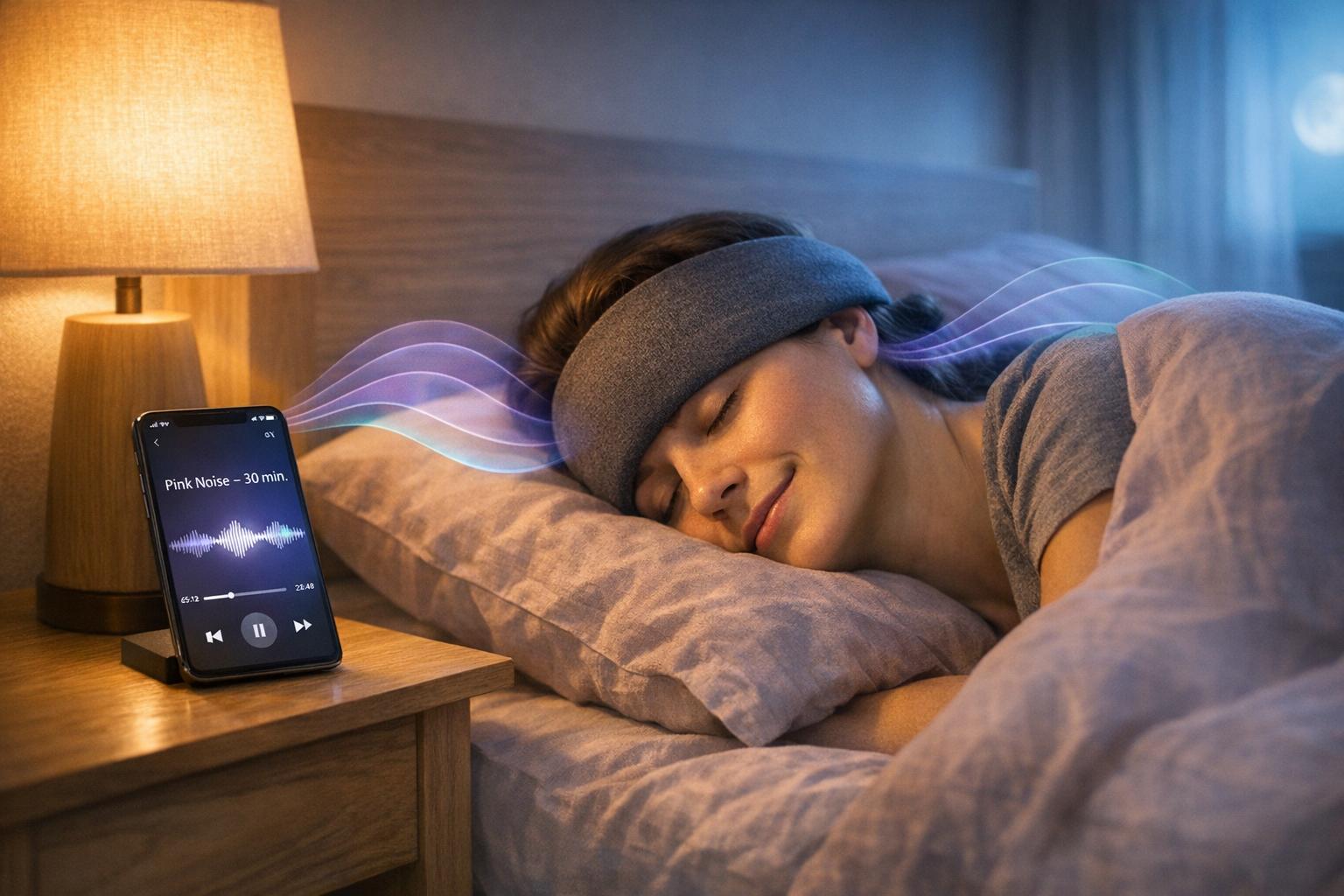


- Frequency healing uses sound to align the body’s natural vibrations through techniques like binaural beats, Solfeggio frequencies, and isochronic tones.
- Brainwave entrainment occurs when the brain synchronizes its activity with external rhythmic sound, shifting toward delta, theta, alpha, beta, or gamma states.
- Binaural beats require stereo headphones because the brain perceives the difference between two slightly different tones, one in each ear.
- Delta beats (0.5-4 Hz) support deep sleep, theta (4-8 Hz) suits meditation, and alpha (8-13 Hz) promotes calm alertness.
- People with epilepsy, pacemakers, or who are pregnant should consult a healthcare provider before using binaural beats.
- Beginners are advised to start with 15-20 minute sessions at conversational volume and track progress in a journal.
Frequency healing uses sound to promote physical, emotional, and mental well-being by aligning the body's natural vibrations. This practice, rooted in ancient traditions and supported by modern research, involves techniques like binaural beats, Solfeggio frequencies, and isochronic tones. These sound frequencies can help reduce stress, improve sleep, enhance focus, and support emotional balance.



Frequency healing is a simple, non-invasive way to support wellness. Whether you're looking to relax, sleep better, or improve focus, sound therapy offers a practical tool to complement your daily routine.
Core Principles of Frequency Healing
Understanding Vibration and Resonance
Your body is a symphony of vibrations. Every cell, organ, and system operates at its own specific frequency. For instance, the steady rhythm of your heartbeat and the electrical pulses in your brain each have distinct frequency ranges that reflect their activity. Even at the microscopic level, your cells emit unique vibrations as they perform vital functions.
The idea of resonance is key to understanding frequency healing. When an external frequency matches the natural vibration of a part of your body, it creates a resonance effect. Think of how a tuning fork causes another of the same pitch to vibrate. Similarly, external vibrations can sync with your body’s natural frequencies, amplifying their effects.
Different tissues in your body respond in unique ways to vibrations. For example, bones and soft tissues transmit sound differently, allowing vibrations to travel throughout your body, potentially affecting cellular processes and even neural activity. Since water is an excellent conductor of vibrations - and your body is mostly water - these effects can extend far beyond the ears. This tissue-level resonance often leads to shifts in brainwave activity, which plays a significant role in frequency healing.
Brainwave States and Their Role
The resonance effects mentioned above don’t just stop at the cellular level - they also influence your brain’s electrical activity. Your brain operates within distinct frequency ranges, and each range is associated with specific mental and physical states. Here’s a quick breakdown:
- Delta waves: Linked to deep, restorative sleep.
- Theta waves: Often observed during light sleep or meditation.
- Alpha waves: Indicate a calm, relaxed, and alert state.
- Beta waves: Associated with active thinking and problem-solving, though excessive beta activity can lead to stress.
- Gamma waves: Tied to intense focus and cognitive processing.
Frequency healing techniques often aim to nudge the brain into these balanced states. For example, if you’re struggling with stress or sleeplessness, listening to audio designed to stimulate alpha, theta, or delta waves may help you relax or improve your sleep. This process, called entrainment, occurs when the brain synchronizes its activity with external rhythmic stimuli, such as sound waves. Over time, this synchronization can encourage mental clarity and emotional balance.
Research-Backed Benefits
Emerging research highlights several potential benefits of frequency healing, from improved focus to pain relief. Studies suggest that specific frequencies can help sharpen concentration by minimizing distractions and fostering sustained attention. Early findings also point to the ability of certain vibrations to influence how the brain perceives pain, as well as to subtly support mood through changes in neurotransmitter activity.
While the effects may be subtle, they can contribute meaningfully to overall well-being. Frequency healing works well alongside traditional wellness practices, offering an additional layer of support. As researchers continue to explore the best frequencies, listening durations, and individual responses, frequency healing remains a promising tool for those seeking to enhance their wellness journey through personal experimentation.
Key Healing Frequencies and Their Uses
Common Healing Frequencies
Certain sound frequencies have become staples in wellness practices because of their potential to influence the body and mind in specific ways. Familiarizing yourself with these can help you pick the right tones for your personal well-being.
432 Hz, often referred to as the "natural tuning" frequency, is known for promoting calm and inner peace. Its softer, warmer tones are thought to reduce stress and encourage relaxation. This frequency is commonly used during yoga, massage therapy, or quiet evening routines to help you feel more grounded.
528 Hz, sometimes called the "love frequency", is linked to transformation and emotional repair. Many turn to this tone to foster emotional balance and a more positive outlook. It’s a popular choice in meditation practices centered on personal growth and self-acceptance.
The Solfeggio frequencies are a set of nine tones, each with its own purpose. Beyond 528 Hz, other key tones include 396 Hz for releasing fear and guilt, 417 Hz to help with change and breaking negative habits, 639 Hz for improving communication and relationships, 741 Hz for problem-solving and self-expression, and 852 Hz for enhancing intuition and spiritual awareness.
Additionally, 174 Hz is often used for physical comfort and grounding, while 963 Hz is associated with higher consciousness and a sense of universal connection. Each frequency offers a unique experience, making it easier to tailor your sound therapy to your needs - whether you’re unwinding after a long day or diving into introspection.
Beyond these individual frequencies, binaural beats provide another way to influence mental states by directly engaging the brain.
Binaural Beats and Brainwave Entrainment
Binaural beats take sound therapy a step further by using subtle frequency differences to guide your brain into specific states. When you listen to two slightly different tones - one in each ear - your brain perceives a third tone, which is the difference between the two frequencies. For example, if one ear hears 200 Hz and the other hears 210 Hz, your brain creates a 10 Hz beat.
These beats align with different brainwave ranges, offering a variety of benefits:
- Delta waves (0.5-4 Hz) are tied to deep, restorative sleep. Listening to delta binaural beats for 20-30 minutes before bed can help your mind ease into sleep mode.
- Theta waves (4-8 Hz) are ideal for meditative states and mindfulness practices. They help maintain focus without leading to sleep, making them great for visualization and introspection.
- Alpha waves (8-13 Hz) promote a calm yet alert state, balancing mental clarity with relaxation. These are perfect for light meditation, reading, or focused activities like studying.
- Beta waves (13-30 Hz) enhance active thinking and concentration. However, they should be used sparingly, as too much beta activity can increase stress.
- Gamma waves (30-100 Hz) are associated with peak cognitive performance and heightened awareness. These are intense and typically used for short bursts of focus.
To experience binaural beats effectively, you’ll need stereo headphones to ensure each ear receives a distinct tone. Listening consistently for 15-30 minutes a day can lead to noticeable shifts in your mental state over time.
Chakra and Energy Alignment Frequencies
Chakra-specific frequencies offer another layer of sound therapy, aligning with the body's energy centers to support emotional and spiritual well-being. Rooted in traditional Eastern practices, this approach resonates with modern wellness enthusiasts who value its intentionality and focus.
Each of the seven main chakras corresponds to a specific frequency:
- The root chakra (base of the spine) aligns with 396 Hz, which is used to cultivate feelings of security and stability. Listening to this frequency during deep breathing exercises can help you feel more grounded.
- The sacral chakra (lower abdomen) resonates with 417 Hz, supporting creativity, emotional expression, and adaptability.
- The solar plexus chakra (upper abdomen) is linked to 528 Hz, enhancing confidence and personal power.
- The heart chakra corresponds to 639 Hz, often used for emotional healing and nurturing compassion and connection.
- The throat chakra aligns with 741 Hz, which helps with communication and authentic self-expression.
- The third eye chakra (between the eyebrows) resonates with 852 Hz, aiding in intuition and inner wisdom.
- The crown chakra (top of the head) is associated with 963 Hz, often used in meditations focused on spiritual connection and expanded awareness.
These frequencies can be integrated into meditation or used as background sounds to support specific intentions. For example, if you’re looking to strengthen your relationships, music featuring 639 Hz might be a good fit. Preparing for an important conversation? Try 741 Hz to encourage clear and authentic expression.
Platforms like Healing Miracle Frequencies make it easy to access therapeutic music that incorporates these tones. Available on Spotify, Apple Music, and YouTube, their soundscapes range from one to ten hours, offering extended options for meditation, work, or restful sleep.
Practical Uses for Daily Wellness
Integrating healing frequencies into your daily routine doesn’t have to be complicated. With a few simple adjustments, you can use sound therapy to support your well-being - whether you’re winding down after a long day, preparing for a good night’s sleep, or staying focused during important tasks.
Stress Relief and Relaxation
When stress takes over, it often shows up as physical tension or a restless mind. Calming frequencies can help your body shift into a more relaxed state when used intentionally. For instance, listening to 432 Hz tones during a 15- to 20-minute break can ease tension. Combine this with deep, steady breathing (like the 4-4-6 method: inhale for 4 seconds, hold for 4, and exhale for 6) to enhance the calming effect.
Another option is to incorporate alpha-range binaural beats (8–13 Hz) into activities like journaling, light stretching, or sipping a cup of tea. These sounds can help you transition smoothly from a busy day to a more peaceful state of mind.
For those dealing with chronic stress, setting aside just 10 minutes daily for this practice can make a difference. Whether it’s during a midday break or after work, building a consistent routine trains your nervous system to respond more readily to relaxation cues over time.
These stress-relief practices naturally complement techniques designed to improve sleep quality.
Sleep Enhancement
Good sleep starts long before your head hits the pillow. Incorporating healing frequencies into your bedtime routine can help your brain shift from wakefulness to rest. Delta binaural beats are particularly effective for promoting deep sleep.
Try playing delta frequencies about 30 minutes before bedtime, keeping the volume low enough to feel soothing but not distracting. You can use soft speakers placed at a safe distance from your bed or opt for comfortable headphones. Stick with delta or theta frequencies during the night for the best results.
Extended soundscapes, like those offered by Healing Miracle Frequencies, provide continuous tracks that are great for both sleep and meditation. These can be especially helpful if you find yourself waking up during the night. If you’re new to using sound therapy for sleep, give it about a week to see noticeable effects. Keeping a simple sleep journal can help you track improvements in how quickly you fall asleep, how often you wake up, and how rested you feel in the morning.
Meditation and Focus
Healing frequencies can also elevate your meditation practice. They act as a steady anchor, helping to calm your mind and deepen your focus.
Theta-range frequencies (4–8 Hz) are ideal for meditation. When you listen to theta binaural beats, your brainwaves may begin to align with the sound, allowing you to move beyond surface-level thoughts into a more profound state of awareness.
Meditation is known to improve focus and manage stress, and sound therapy can amplify these effects. For work or study sessions, beta-range frequencies (13–30 Hz) can boost concentration and alertness, while alpha-range frequencies (8–13 Hz) create a balanced state that supports both creativity and calm.
Start your meditation with 10–15 minutes of theta binaural beats. Find a comfortable seat, close your eyes, and let the sound guide your focus. As you grow more comfortable with this practice, you can extend your sessions or explore guided meditations available on various platforms.
Combining meditation with sound therapy not only enhances mental clarity and emotional balance but also helps align your brainwave patterns for greater coherence. For those interested in diving deeper, workshops or sessions led by experienced practitioners can provide personalized guidance. Just remember to keep realistic expectations and consult a doctor if you have any existing health conditions.
Safety Guidelines and Best Practices
Frequency healing is generally considered safe for most people, but using it responsibly is key to maximizing its benefits while avoiding any potential discomfort. Like any sound-based therapy, proper application of frequencies should respect your body’s natural rhythms and be approached with care. Here’s how to ensure a safe and effective experience.
Safe Listening Guidelines
Keep the volume at a conversational level to avoid straining your ears. Time matters as much as volume. If you’re just starting out, limit your sessions to 15–20 minutes to give your body time to adjust without overwhelming your nervous system. Once you’re familiar with how different frequencies affect you, you can gradually extend sessions to 30–60 minutes, if that feels right.
For the best sound experience, use over-ear headphones, which ensure even sound distribution. Take breaks every 30–45 minutes and avoid falling asleep while wearing them.
Pay attention to how your body responds. If you experience headaches, dizziness, or ear discomfort, stop immediately. These symptoms might mean the volume is too high, the session is too long, or the frequency isn’t a good fit for you at that moment. Everyone reacts differently, so what feels soothing for one person might not work for another.
Some individuals should take extra precautions. If you have epilepsy or a seizure disorder, consult your doctor before trying binaural beats or rhythmic sound therapy, as certain frequencies could potentially trigger seizures. Similarly, those with pacemakers or other electronic medical devices should check with their healthcare provider first. Pregnant women can generally use healing frequencies, but it’s best to stick with gentler options, like 432 Hz music, rather than more intense binaural beats.
Setting Realistic Expectations
While frequency healing can support your overall well-being, it’s not a replacement for professional medical care. If you’re managing chronic pain, anxiety, depression, or other health conditions, continue working with your healthcare provider and use frequency healing as a complementary practice.
The effects of frequency healing are often gradual. You might not notice significant changes after just one session. Benefits tend to build over time with consistent use. For example, some people report better sleep within a few days, while others may need weeks to notice shifts in stress levels or focus. This slow progression is normal - it reflects how your nervous system adapts to new patterns.
Think of frequency healing as one part of a larger wellness routine. It works best when combined with other healthy habits like regular exercise, balanced nutrition, proper sleep, and effective stress management. For instance, listening to 528 Hz tones for 20 minutes won’t offset the effects of poor sleep or unhealthy eating. The most meaningful results come from integrating sound therapy into a well-rounded lifestyle.
Approach frequency healing with curiosity and an open mind, but also with realistic expectations. Let’s look at how to get started with this practice.
Getting Started with Frequency Healing
Starting small and paying attention to your body’s responses is the best way to begin. Choose one specific goal, such as improving sleep, reducing stress, or deepening meditation. Based on your goal, select a frequency - delta beats for sleep, alpha for relaxation, or theta for meditation - and commit to using it consistently for at least a week before evaluating its effects.
Create a quiet, comfortable space that supports your intention. Whether you’re sitting, lying down, or gently moving, make sure you’re physically at ease. Adjust the lighting to suit your mood and goal.
Begin with short sessions of 10–15 minutes and gradually increase the duration as you feel more comfortable. This gradual approach allows you to observe how different frequencies affect you without feeling overwhelmed. Some people notice immediate effects, while others need more time to experience changes.
Keep a simple journal to track your progress. Write down which frequencies you used, how long you listened, and any changes you observed. Did you sleep better? Feel calmer? Focus more easily? Over time, this record will help you identify patterns and determine which frequencies work best for you. After a week or two, you’ll have enough information to adjust your practice as needed.
Experiment with a variety of frequencies and listening methods. Try 432 Hz music one week, then switch to theta binaural beats the next. Alternate between headphones and speakers, and notice whether certain times of day or activities - like stretching or journaling - enhance your experience. This trial-and-error phase helps you find what resonates with your unique preferences.
If you’re combining frequency healing with other wellness practices or medical treatments, keep your healthcare provider informed. They can guide you on safely integrating sound therapy into your routine and monitor for any unexpected effects, especially if you’re managing mental health conditions. Some frequencies might influence your mood or energy levels in ways you don’t anticipate.
Lastly, trust your body’s signals. If a particular frequency feels off, even if it’s widely recommended, don’t push through. Frequency healing should feel supportive and pleasant, not uncomfortable. Adjust or stop any practice that doesn’t feel right for you.
Conclusion
Frequency healing offers a straightforward yet powerful way to support your overall well-being. This guide has explored how specific sound frequencies - like 432 Hz, 528 Hz, binaural beats, and solfeggio tones - can positively influence brainwave states. These frequencies can help you relax, improve sleep, sharpen focus, and better manage stress.
Research and personal experiences alike highlight the potential of sound therapy as a wellness tool. While the science is still evolving, many people find that incorporating frequency healing into their routines makes a meaningful difference.
One of the best parts of frequency healing is how simple it is to get started. With just a pair of headphones, a quiet space, and 15 minutes, you can experiment with delta waves for deeper sleep, alpha tones for relaxation, or theta beats for meditation. The key is to find what works for you. Think of it as a complement to other healthy habits like regular exercise, balanced nutrition, and professional medical care when necessary. Keep in mind, though, that the benefits often come with consistency and practice over time - not from a single session.
To begin, start small and pay attention to how your body responds. Keep track of your experiences and try different frequencies to see what feels right. Some might provide instant comfort, while others may take a little patience to fully appreciate. Trust your instincts and let your personal experience guide you.
Frequently Asked Questions
How can I choose the best frequency to improve sleep or reduce stress?
Choosing the right frequency depends on what you’re aiming to achieve for your well-being. For better sleep, focus on delta (0.5–4 Hz) or theta (4–8 Hz) brainwave frequencies, which are associated with deep relaxation and recharging rest. To ease stress, alpha waves (8–12 Hz) or frequencies like 110 Hz can calm the nervous system. You might also try 528 Hz, linked to transformation and healing, or 432 Hz, thought to bring balance and harmony.
Are there any risks or side effects of frequency healing, and how can I use it safely?
While frequency healing is often regarded as safe, some people might encounter mild side effects such as overstimulation, dizziness, nausea, or emotional unease. Start with shorter sessions at a low intensity, stay hydrated, and stop if you feel uncomfortable. If you’re pregnant, have a heart condition, metal implants, or any mental health concerns, check with a healthcare professional before exploring frequency healing.
Can I combine frequency healing with other wellness practices?
Yes. Frequency healing pairs well with meditation, yoga, and mindfulness exercises, deepening relaxation and sharpening focus. Listen to gentle tones or solfeggio frequencies during quiet moments, before bed, or during deep breathing. Tools like singing bowls or tuning forks can also create soothing vibrations in your space.
How long does it take to see results from frequency healing?
The effects are usually gradual. Some people report better sleep within a few days, while others may need weeks to notice shifts in stress levels or focus. Benefits build over time with consistent use rather than from a single session.
Do I need headphones for frequency healing?
For binaural beats you need stereo headphones, since each ear must receive a distinct tone for the brain to perceive the beat. For single-tone frequencies like 432 Hz or 528 Hz, speakers work fine, though over-ear headphones provide more even sound distribution.