- Concentration meditation trains ONE beam of attention on ONE object — breath, candle, mantra, sound — and returns it every time it strays
- It differs from open mindfulness: concentration narrows to a single point; mindfulness widens to observe whatever arises
- The return IS the rep: noticing you've wandered and coming back is the exact moment the training happens
- Progress runs through classic stages: longer stretches between wanderings, subtler distractions, then effortless staying
- Sound is an underrated focus object — a steady tone or slow piece of music is more vivid than breath, which is why beginners often advance faster with it
What Concentration Meditation Is
Of the two great families of meditation, this is the older and simpler one. Concentration practice (samatha, "calm abiding," one-pointed focus) picks a single object — the breath at the nostrils, a candle flame, a repeated word, a steady sound — and does exactly one thing for the whole session: rests attention on it, notices when attention has left, and brings it back. That's the entire method. No insight to seek, no thoughts to observe, no state to achieve. One object, a thousand returns.
Its sibling, open mindfulness, points the other way: instead of narrowing to one object it widens to watch whatever arises — thoughts, sounds, sensations — without grabbing any of them. The two train different muscles (a beam versus a floodlight) and feed each other: concentration builds the stability that makes open awareness possible at all, which is why every classical curriculum teaches focus first. If your problem is a scattered, tab-hopping, restless mind, concentration practice is where the leverage is.
Choosing Your Object
Breath — the classic: always available, naturally rhythmic. Aim at one precise location (cool air at the nostril rim, or the belly's rise) rather than "the breath" in general; precision is the point. Its weakness: it's subtle, and beginners often lose a slippery object faster.
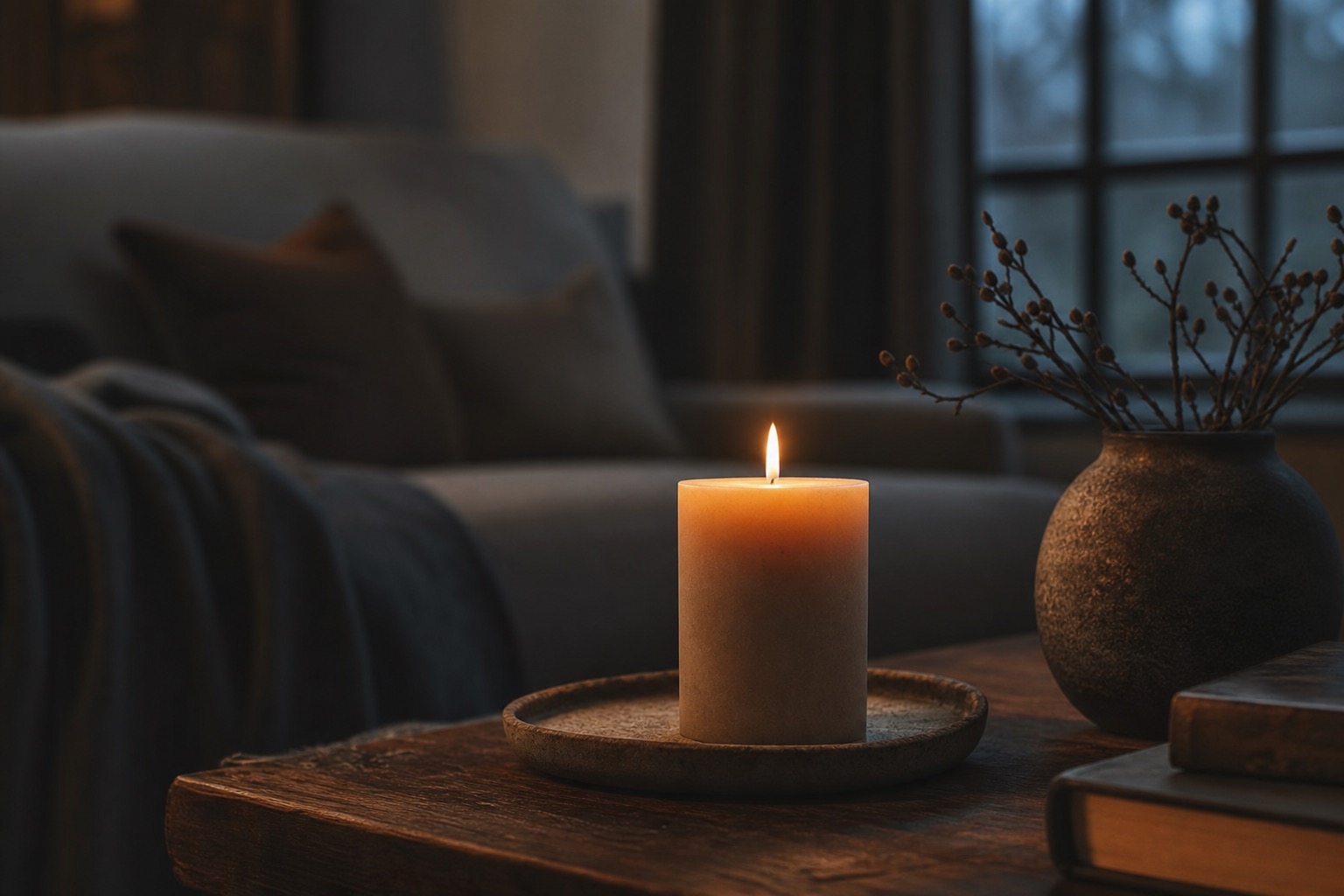
Candle flame (trataka) — for visual minds: eyes softly open on the flame at arm's length. Vivid and self-announcing when you drift. Blink normally; close the eyes when they tire and hold the after-image.
Mantra — a repeated word or phrase riding the breath ("so" on the in-breath, "hum" on the out, or any calm word you choose). The verbal channel is occupied by the mantra, which conveniently evicts inner commentary.
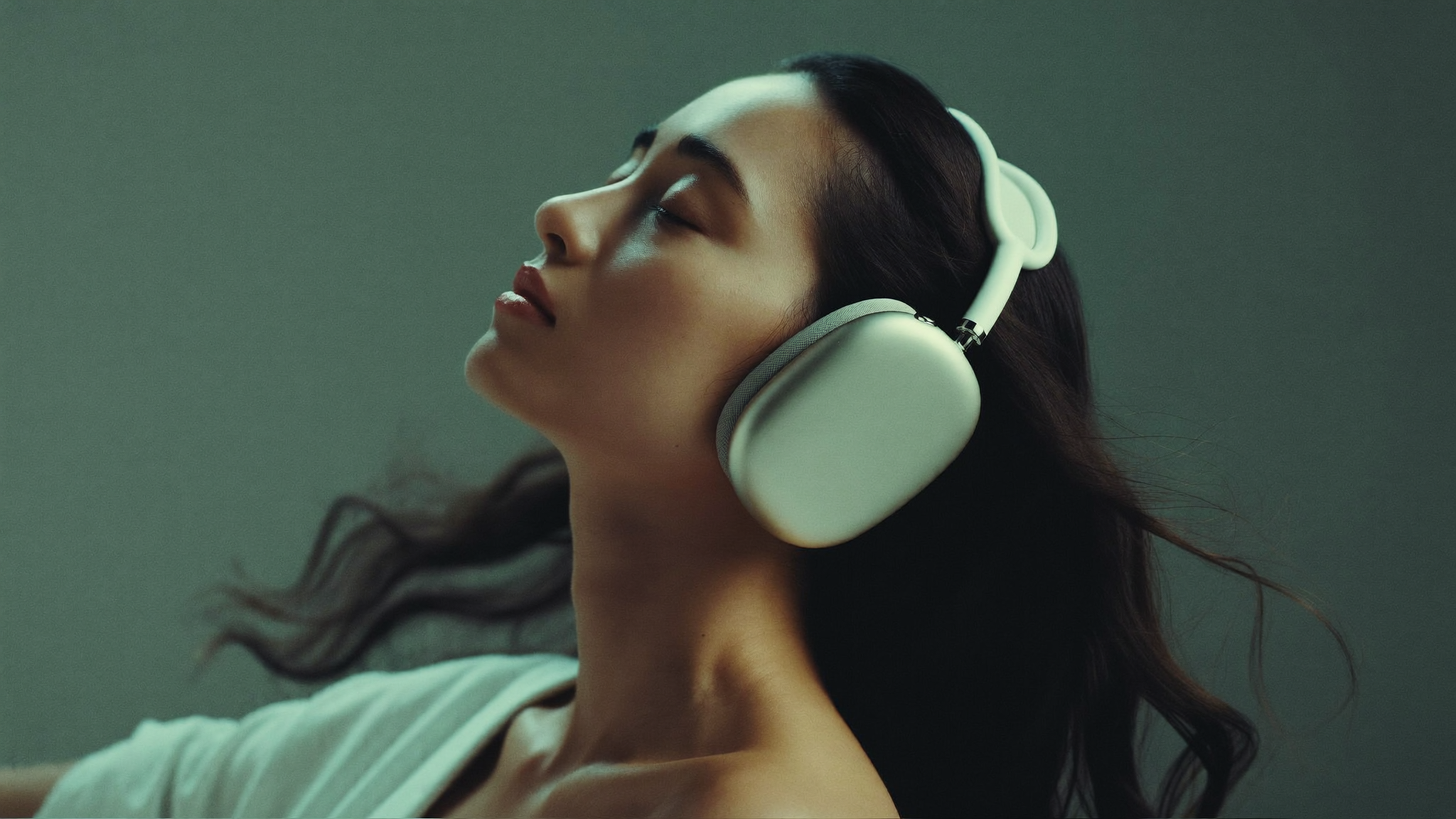
Sound — the underrated one, and often the fastest for modern beginners: a steady external tone or slow, even piece of music. Sound is vivid without effort, it never disappears the way a shy breath does, and it can't be controlled — you can only receive it, which quietly teaches the receiving stance the whole practice depends on. A long unhurried 432 Hz piece (the playlist below is built from them) makes an ideal object: rest attention inside the sound, notice when you've drifted into thought, return to the sound. Everything streams free in the browser player, timerless and unbroken.
Whichever you choose, keep it for at least a month. Object-hopping resets the training; depth comes from staying.
The Practice, Precisely
1. Sit upright but at ease — this is the one meditation family where posture genuinely helps, because the narrow beam needs arousal to stay lit (lying down works against you here; save it for body-scan practice).
2. Three slow breaths to arrive, then place attention on your object at its most precise point.
3. Rest there. Not gripping — resting. Concentration is sustained interest, not muscular strain; if your forehead is working, soften and treat the object as something you're listening to rather than holding.
4. You will wander. The moment of noticing you've wandered is not the failure — it is the single unit of training this practice exists to generate. No commentary, no scorekeeping: acknowledge, release the thought, return to the object. Every return is one rep. A session with sixty returns did sixty reps.
5. End deliberately: widen to the whole body for three breaths before opening the eyes. Don't just bolt.
A 4-Week Progression
Week 1 — 5 minutes daily. Object: sound or breath. Goal: none except showing up. Expect chaos; chaos is baseline data.
Week 2 — 10 minutes. Add counting if using breath (count exhales 1–10, restart on loss or completion — an honest wandering-detector). Notice: the gap between drifting and catching it is already shrinking.
Week 3 — 15 minutes. Drop the counting; stay with the bare object. Distractions get subtler — from full daydreams to little tugs. That's progression, not plateau.
Week 4 — 15–20 minutes. Stretches of easy, unforced staying begin to appear: attention remains without being held. This settled-but-bright state is what practitioners mean by calm abiding, and once tasted it recruits itself.
After that: extend time before extending ambition, and consider alternating days of concentration with days of open mindfulness — the beam and the floodlight sharpen each other. (Using the skill on work and study? The same mechanics power our focus-music guide.)
Troubleshooting
Sleepiness: the beam dims. Brighten the object (open the eyes, raise the music slightly), straighten the spine, or practise earlier. Restlessness: the beam jitters. Lengthen exhales, shrink the session, and burn off energy first — a walk before sitting is legitimate technique. "I can't do it — my mind is too busy": the universal week-one report. A busy mind noticing its busyness is the practice working; the only failure mode is not sitting. Strain headaches: you're gripping. Concentration ripens from repetition, never from force — soften, and let the object come to you.
Frequently Asked Questions
What is the difference between concentration meditation and mindfulness?
Concentration narrows attention to a single object and returns to it every time it strays; mindfulness widens attention to observe whatever arises without holding anything. Focus first is the classical order — the stability it builds is what makes open observation possible.
What should I focus on during concentration meditation?
One precise object kept for at least a month: breath at one exact location, a candle flame, a mantra, or a steady sound. Sound and flame are the most vivid and forgiving for beginners; breath is the deepest long-term companion.
Can I use music for concentration meditation?
Yes — as the object itself. Choose one long, even, wordless piece (slow 432 Hz tracks are ideal), rest attention inside the sound, and return to it whenever thought pulls you away. It's more vivid than breath and can't be lost, which is exactly why beginners often progress faster with it.