

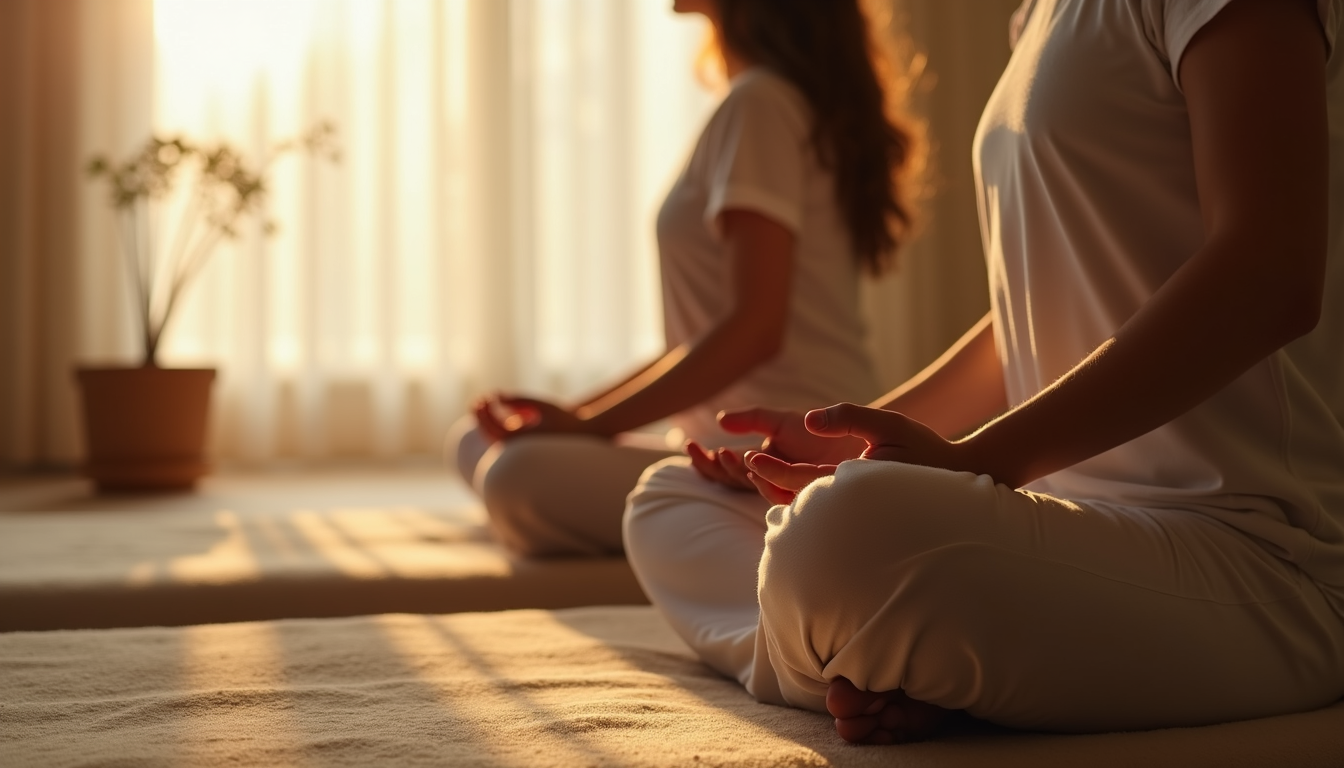
- Healing frequencies are sound vibrations that can influence emotions, thought patterns, and physical health through music, meditation, or devices.
- Studies have shown specific frequencies can reduce anxiety, lower blood pressure, and aid in healing injuries.
- Low frequencies below 100 Hz tend to encourage relaxation, while higher frequencies may stimulate creativity and energy.
- The 280 Hz frequency is believed to align with the heart chakra, promoting love, compassion, and emotional healing.
- Popular Solfeggio frequencies include 396 Hz for releasing fear, 528 Hz for transformation, 639 Hz for harmony, and 741 Hz for intuition.
In recent years, the use of healing frequencies has gained widespread attention as an alternative approach to wellness. People are increasingly recognizing the power of sound and vibration to enhance their physical, emotional, and spiritual well-being. Understanding how these frequencies work can help individuals tap into their healing potential and improve their overall health.



Healing Frequencies: An Overview
Healing frequencies are sound vibrations that resonate within the body and mind. They can influence our emotions, thought patterns, and even physical health. These frequencies, which can be achieved through various means like music, meditation, or specialized devices, promote relaxation, reduce stress, and help restore balance.
For many, the experience of sound healing is deeply personal. Some find solace in the peaceful tones of singing bowls, while others may benefit from the more energetic vibrations of chanting or drumming. Regardless of the method chosen, the underlying principle remains the same: sound and frequency can create profound changes within us.
Research supports the idea that healing frequencies can have measurable effects on the body. Studies have shown that specific frequencies can reduce anxiety, lower blood pressure, and even aid in healing injuries. This holistic approach places sound at the center of our health and wellness journey.
How Healing Frequencies Affect Us
The impact of healing frequencies goes beyond a simple auditory experience. When we listen to certain frequencies, our brainwaves synchronise, leading to profound changes in consciousness. For instance, low frequencies, typically below 100 Hz, can encourage relaxation and calmness, while higher frequencies may stimulate creativity and energy.
The relationship we have with sound is deeply rooted in our biology. Our cells respond to vibrations, and there is evidence to suggest that sound can influence cellular processes, promoting healing and rejuvenation. This idea resonates with many ancient cultures, which recognized the importance of sound in spiritual and physical healing practices.
What note is 280Hz?
One specific frequency that has gained attention is the 280 Hz frequency. This is a musical note that some practitioners believe can align with the heart chakra, promoting love, compassion, and emotional healing. The frequency has been associated with feelings of warmth and connection, making it a valuable tool in sound therapy.
Various instruments can generate this frequency, including tuning forks and digital music tracks. When exposed to the 280 Hz frequency, many people report feeling a sense of peace and balance. It can be used during meditation, yoga, or simply as calming background music for relaxation.
Exploring the specific benefits of the 280 Hz frequency can enhance your wellness practice. Whether you are seeking emotional healing or physical relaxation, integrating this frequency into your routine can be a game changer.
Popular Frequencies and Their Benefits
While healing frequencies encompass a vast range of sounds, certain frequencies have garnered particular attention. Here are a few popular ones and their purported benefits:
- 396 Hz: Often referred to as the “liberation frequency,” it is believed to help release fear and guilt.
- 528 Hz: Known as the “love frequency” or “DNA repair frequency,” it is associated with love, miracles, and transformation.
- 639 Hz: This frequency promotes harmony in relationships and is thought to facilitate communication and understanding.
- 741 Hz: Associated with problem-solving and awakening intuition, it can help cleanse the body and mind.
By familiarizing yourself with these frequencies, you can tailor your sound healing practices to meet your specific needs.

When using frequencies for wellness, it's crucial to create a conducive environment. This may involve dimming the lights, using essential oils, or simply finding a quieter space where you can fully immerse yourself in the experience.
Practical Tips for Integrating Healing Frequencies into Your Life
Incorporating healing frequencies into your wellness routine doesn't have to be complicated. Here are some actionable recommendations to help you get started:
- Create a Sound Healing Space: Designate a quiet area where you can practice sound healing. Include items that resonate with you, such as crystals, candles, or comfortable cushions.
- Experiment with Different Frequencies: Listen to recordings of different healing frequencies to see which ones resonate with you. Platforms like YouTube have countless playlists dedicated to sound healing.
- Use Music for Meditation: Combine music tuned to healing frequencies with your meditation practice. This can deepen your experience and help you achieve a more profound state of relaxation.
- Join a Sound Bath: Participating in a sound bath with singing bowls can be a transformative experience. These group sessions allow participants to immerse themselves in sound, leading to collective healing.
- Practice Mindfulness: While listening to healing frequencies, practice mindfulness techniques to enhance the experience. Focus on your breath and allow the vibrations to flow through you.
Integrating healing frequencies into your daily life can catalyze a shift in your well-being.
The Scientific Perspective on Healing Frequencies
The science behind healing frequencies is still evolving. Research is being conducted to explore how sound affects cellular structure, emotions, and overall health. One study published in the journal "Science" demonstrated how sound waves can influence cell behavior, providing a glimpse into the potential of sound as a healing modality.
While much of the research is anecdotal or based on qualitative observations, the therapeutic community continues to validate these practices. As we begin to understand more about sound healing, it is clear this is not just a trend but a profound shift in how we view health and well-being.
In conclusion, healing frequencies offer an exciting avenue for enhancing wellness. From emotional healing to physical transformation, the vibrations we surround ourselves with can have a lasting impact on our lives. Consider exploring the 280 Hz frequency and other healing sounds as part of your wellness journey, and embrace the profound potential of sound in your life.
How Healing Frequencies Fit Into a Wider Wellness Practice
Healing frequencies are best understood as one supportive tool within a broader foundation of wellbeing, not a standalone cure. They work most reliably when layered onto the basics that genuinely move the needle: regular sleep, movement, nourishing food, and meaningful connection. Sound can lower the day's tension and make those other habits easier to sustain, but it complements rather than replaces them.
The Stress-Recovery Connection
Much of the felt benefit traces back to the autonomic nervous system. Slow, harmonically simple sound encourages a shift from sympathetic arousal toward parasympathetic recovery, the state in which the body repairs, digests, and consolidates memory. Markers often associated with this shift include a gentler heart rate, improved heart rate variability, and a softening of the stress hormone cortisol over time. None of this is magic; it is the predictable result of giving an overstimulated nervous system a steady, undemanding signal to follow.
Think of healing frequencies less as medicine and more as a gentle invitation, a cue that tells an overworked nervous system it is finally safe to rest.
Setting Realistic Expectations
A grounded, science-aware approach keeps the practice honest and sustainable. Be wary of promises that a single frequency can cure illness or replace medical care; the credible benefit lies in relaxation, improved sleep cues, and stress relief, which are valuable in their own right. Approach sound as you would a warm bath or a walk in nature: a dependable way to down-regulate, available any time you need it. Notice your own response across days and weeks rather than chasing a dramatic single moment, and let the quiet, cumulative effect be the measure of whether it belongs in your routine.
Frequently Asked Questions
What are healing frequencies?
Healing frequencies are sound vibrations that resonate within the body and mind, influencing emotions, thought patterns, and physical health through music, meditation, or specialized devices.
Do healing frequencies have scientific support?
Research is still evolving, but studies have shown that specific frequencies can reduce anxiety, lower blood pressure, and aid in healing injuries. One study published in the journal Science demonstrated how sound waves can influence cell behavior.
What is the 280 Hz frequency used for?
The 280 Hz frequency is a musical note that some practitioners associate with the heart chakra, promoting love, compassion, and emotional healing, and is often used during meditation, yoga, or as calming background music.
Which Solfeggio frequencies are most popular?
Popular frequencies include 396 Hz for releasing fear and guilt, 528 Hz for love and transformation, 639 Hz for harmony in relationships, and 741 Hz for problem-solving and awakening intuition.
How do I start using healing frequencies?
Create a quiet sound healing space, experiment with different frequencies, combine music with meditation, join a sound bath, and practice mindfulness while listening to allow the vibrations to flow through you.
Listen while you read
Sound Bath Music — Lie down and let the sound do the work. Streams free in your browser, no app, no sign-up.