
- The maha mantra uses only three words — Hare, Krishna, Rama — arranged in a 16-word cycle
- Hare calls the divine energy (Radha/Shakti); Krishna is 'the all-attractive one'; Rama is 'the source of joy'
- It is a kirtan mantra: traditionally sung call-and-response, not whispered — melody is part of the method
- Made globally famous from the 1960s (ISKCON, George Harrison's 'My Sweet Lord')
- Practice: japa on beads (108 rounds) or singing along with kirtan — both count
The Maha Mantra
Hare Krishna, Hare Krishna, Krishna Krishna, Hare Hare —
Hare Rama, Hare Rama, Rama Rama, Hare Hare.
Sixteen words, three of them. In the Vaishnava tradition this is the maha — great — mantra: the one chant said to carry the whole practice of the age within it. It appears in the Kali-Santarana Upanishad and became the heartbeat of Bengali kirtan through Chaitanya Mahaprabhu in the 16th century, then a global sound in the 20th.
Word by Word
Hare — the vocative of Hari or of Harā (Radha): a call to the divine energy itself, the addressing word of the mantra. Chanting it is turning toward.
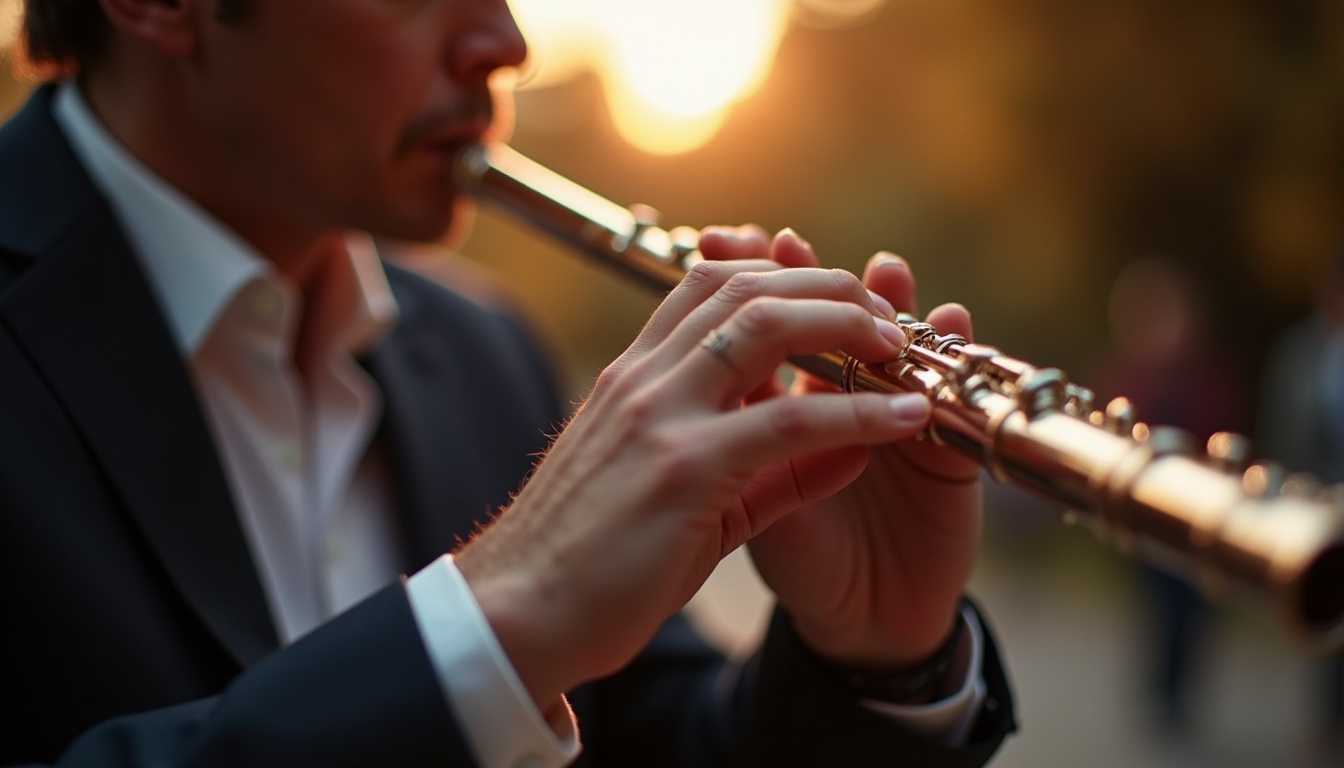
Krishna — 'the all-attractive one': the divine as beauty, play and love, the flute-player of the Bhagavad Gita.
Rama — 'the source of joy' (and the divine hero of the Ramayana): the divine as steadiness and delight.
The arrangement matters: energy (Hare) always comes first, and every name is doubled — the tradition says the repetition is the embrace.
What the Mantra Means as a Practice
Unlike petitionary prayer, the maha mantra asks for nothing. It is pure address — remembrance through sound. Practitioners describe the effect in strikingly modern terms: the 16-word cycle is long enough to occupy the verbal mind completely, musical enough to lift mood, and rhythmic enough to settle breath. That is why it is traditionally sung (kirtan) as much as recited (japa): melody is not decoration here, it is the delivery mechanism.

How to Chant It
Japa: one full 16-word cycle per bead, 108 beads per round, unhurried — pronounce every name. Kirtan: sing it call-and-response or along with a recording; let the melody carry you. Either way: the tradition's one rule is attention to the sound itself — hear every word you say.
Chant With Music Under You
A drone or soft 432 Hz bed under your chanting keeps pitch and pace steady — try our tone generator at 136.1 Hz (the traditional chanting pitch) or the playlist below. Explore more word-by-word guides — Om Namah Shivaya, the Gayatri Mantra, Om Mani Padme Hum — in Mantras & Meanings.
Frequently Asked Questions
What does Hare Krishna literally mean?
'O divine energy (Hare), O all-attractive one (Krishna)' — a direct address, not a request. The full mantra alternates that call with 'O source of joy (Rama)', doubling every name.
Why is it called the maha mantra?
Maha means 'great'. The Kali-Santarana Upanishad names this 16-word arrangement as the mantra for this age — the tradition's single most complete chant, which is why it anchors kirtan worldwide.
Can anyone chant the Hare Krishna mantra?
Yes — it has no initiation requirement, no prerequisites, and the tradition itself spread it precisely so anyone could chant. Respectful attention to the words is the only ask.